



Ultimate Guide to Sapphires: Colors, Value, Origins, and Market Trends
What is Sapphire?
Sapphires are one of the most treasured gemstones, admired for their brilliant colors, durability, and timeless appeal. As a variety of corundum, sapphires are primarily composed of aluminum oxide (Al₂O₃) and owe their striking hues to trace elements like iron, titanium, and chromium. While blue is the most well-known color, sapphires also come in shades, including pink, yellow, green, purple, and the rare padparadscha—a stunning pink-orange blend.
With a hardness of 9 on the Mohs scale, sapphires are second only to diamonds in durability, making them an excellent choice for everyday jewelry. They have been cherished for centuries, symbolizing wisdom, loyalty, and nobility. These gemstones have a rich history in royal and luxury jewelry and are found in renowned locations such as Sri Lanka, Madagascar, Australia, and Montana (USA).
Today, sapphires remain highly sought after in both natural and lab-grown varieties. Whether featured in engagement rings, necklaces, or custom jewelry designs, their timeless beauty captivates collectors and gem enthusiasts worldwide.
What Makes Sapphires Special?
Sapphires are among the most prized gemstones due to their exceptional beauty, durability, and rarity. Here’s what makes them truly special:
1. Stunning Variety of Colors
While sapphires are most famous for their deep blue hues, they also come in a spectrum of colors, including pink, yellow, green, purple, and the rare padparadscha—a mesmerizing pink-orange shade. This wide range of colors adds to their uniqueness and appeal.
2. Exceptional Durability
With a Mohs hardness rating of 9, sapphires are second only to diamonds in hardness. This makes them highly resistant to scratches and an ideal choice for everyday wear in rings, bracelets, and other fine jewelry.
3. Rich History and Symbolism
Sapphires have been cherished for centuries, adorning royal crowns and engagement rings. They symbolize wisdom, loyalty, and truth, making them a popular choice for meaningful jewelry.
4. Natural and Lab-Grown Options
Advancements in technology have made it possible to create high-quality lab-grown sapphires that are identical to natural ones in composition and appearance, offering a more sustainable and affordable alternative.
5. Ethical and Sustainable Sourcing
Many sapphires today are mined with ethical sourcing practices, and lab-grown options provide an environmentally friendly choice without compromising beauty or quality.
From stunning colors to durability, sapphires remain a timeless and versatile gemstone, perfect for classic and modern jewelry designs.
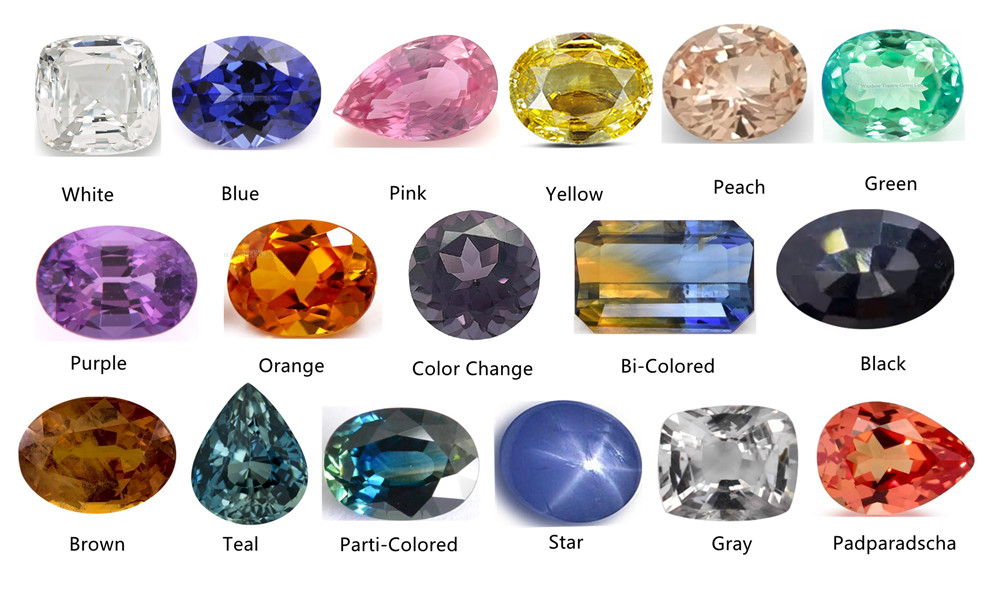
Types of Sapphires and Their Colors
Sapphires are renowned for their wide range of colors, each with its unique charm and symbolism. The color of a sapphire is determined by the presence of trace elements during its formation, such as iron, titanium, and chromium. Here's an overview of the different types of sapphires and their colors:
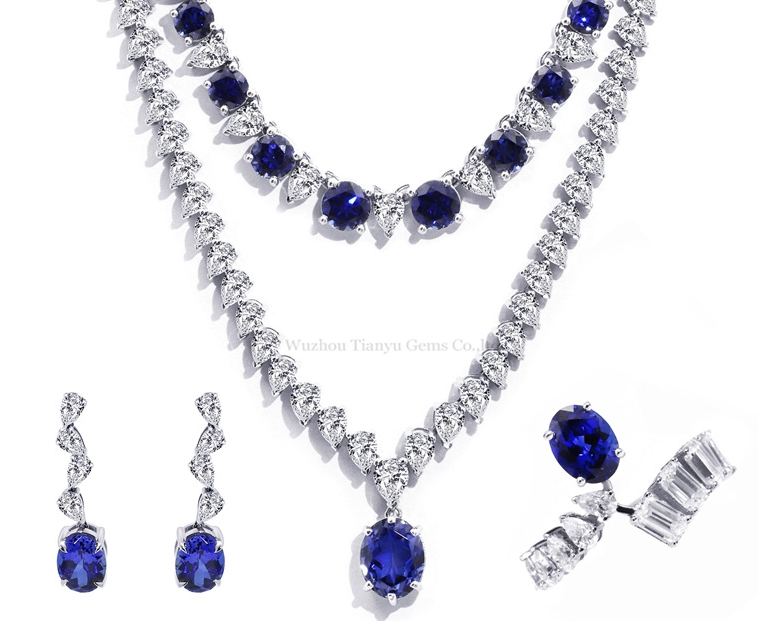
Blue Sapphire: A Symbol of Elegance and Strength
Blue sapphire is one of the most treasured gemstones, admired for its deep, rich hues and exceptional durability. With a hardness of 9 on the Mohs scale, it is second only to diamonds, making it an ideal choice for fine jewelry. The most prized shades include royal blue, cornflower blue, and the rare, velvety Kashmir blue, each with unique brilliance and charm.
Blue sapphires are sourced from renowned locations such as Kashmir, Myanmar, Sri Lanka, Madagascar, and Australia, with each region offering distinct variations in tone and clarity. While heat treatment is commonly used to enhance color and transparency, unheated sapphires are highly valued for their natural beauty.
Symbolizing wisdom, loyalty, and nobility, blue sapphires have long been associated with royalty and timeless elegance, famously featured in Princess Diana’s engagement ring. Their enduring appeal makes them a coveted choice for rings, necklaces, and other luxury jewelry.
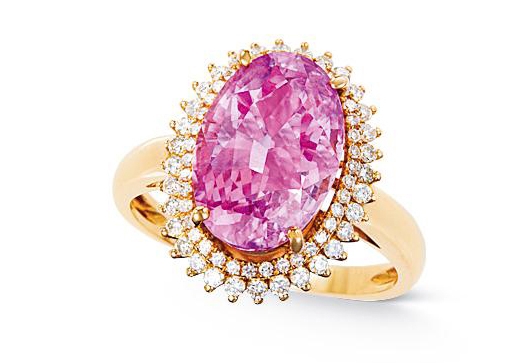
Pink Sapphire: A Gem of Romance and Elegance
Pink sapphire is a captivating gemstone cherished for its delicate yet vibrant hues. It symbolizes love, passion, and elegance. Ranging from soft pastel pink to intense magenta, its color is influenced by trace elements of chromium. With a hardness of 9 on the Mohs scale, pink sapphires are durable and ideal for everyday jewelry.
These exquisite gems are primarily sourced from Sri Lanka, Madagascar, Myanmar, and Tanzania, with Madagascar producing some of the finest specimens. While heat treatment is commonly used to enhance their color and clarity, unheated pink sapphires are rare and highly valuable.
Pink sapphires have gained popularity as unique alternatives to traditional engagement rings. They offer a romantic and timeless appeal. Their rarity, especially in vivid shades, makes them a sought-after choice for collectors and fine jewelry enthusiasts.
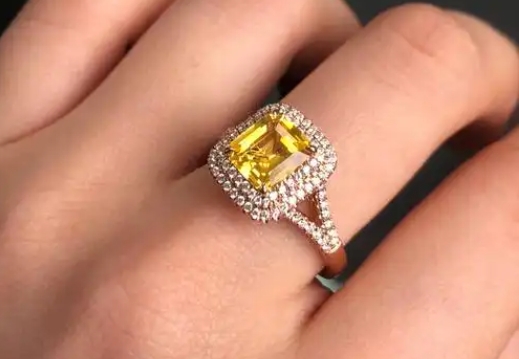
Yellow Sapphire: A Gem of Prosperity and Radiance
Yellow sapphire is a stunning gemstone admired for its warm, golden hues. It symbolizes wisdom, prosperity, and good fortune. Its color ranges from pale lemon to deep golden yellow, influenced by trace elements of iron. With a hardness of 9 on the Mohs scale, yellow sapphires are highly durable, making them ideal for everyday wear.
These gemstones are primarily sourced from Sri Lanka, Madagascar, Thailand, and Australia. Sri Lankan sapphires are known for their bright, golden tones. While heat treatment is commonly used to enhance color and clarity, unheated yellow sapphires are rare and highly valued.
Yellow sapphires have long been associated with success and positivity, making them popular for engagement rings, pendants, and high-end jewelry. Their vibrant energy and brilliance make them stand out as unique and meaningful gemstones.
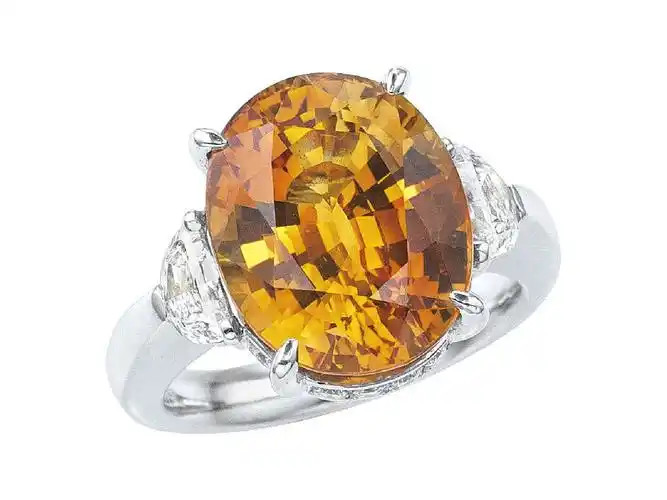
Orange Sapphire: A Gem of Energy and Warmth
Orange sapphire is a rare and vibrant gemstone, admired for its fiery hues that symbolize creativity, enthusiasm, and vitality. Its color ranges from soft peach to deep, sunset orange, influenced by traces of iron and chromium. With a hardness of 9 on the Mohs scale, it is exceptionally durable, making it an excellent choice for fine jewelry.
These exquisite sapphires are primarily sourced from Sri Lanka, Madagascar, Tanzania, and Australia, with Sri Lankan and Madagascan varieties often displaying the most vivid shades. While heat treatment is commonly used to enhance their brilliance, unheated orange sapphires are rare and highly prized.
Due to their warm and energetic appeal, orange sapphires are a unique choice for engagement rings, pendants, and statement jewelry. Their striking color and rarity make them a favorite among collectors and those seeking an unconventional yet elegant gemstone.
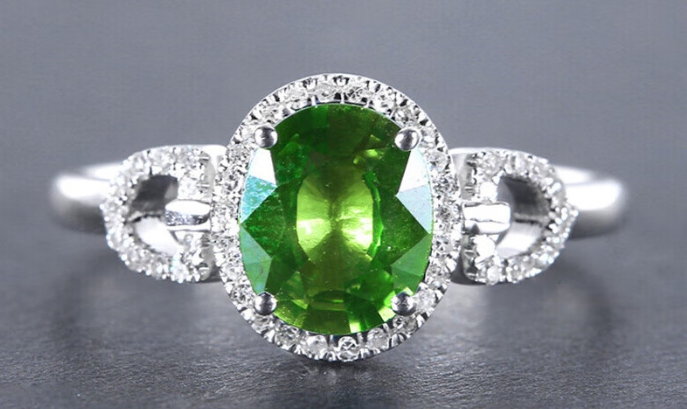
Green Sapphire: A Symbol of Balance and Renewal
Green sapphire is a unique and enchanting gemstone, admired for its calming hues that symbolize wisdom, tranquility, and renewal. Its colors range from soft mint green to deep forest green, influenced by traces of iron. With a hardness of 9 on the Mohs scale, green sapphire is highly durable, making it a perfect choice for everyday jewelry.
These rare sapphires are primarily sourced from Sri Lanka, Madagascar, Australia, and Thailand, with Madagascar producing some of the most vibrant shades. While heat treatment is often used to enhance clarity and color uniformity, unheated green sapphires are prized for their natural beauty.
Green sapphires are a distinctive alternative to traditional gemstones, offering a sophisticated and earthy elegance. Their rarity and versatility make them ideal for engagement rings, statement pieces, and fine jewelry collections.
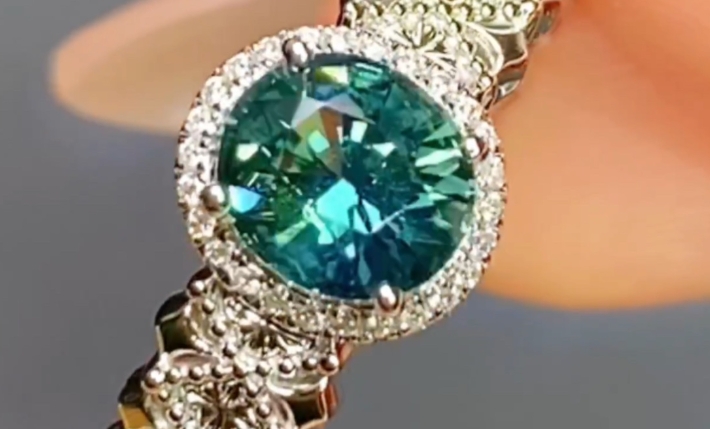
Teal Sapphire: A Unique Fusion of Blue and Green
Teal sapphire is a mesmerizing gemstone known for its captivating blend of blue and green hues. It symbolizes balance, intuition, and individuality. The gemstone's colors range from deep ocean teal to soft seafoam, created by a mix of iron and titanium. Its hardness of 9 on the Mohs scale makes it exceptionally durable and perfect for fine jewelry.
These rare sapphires are primarily sourced from Madagascar, Australia, Montana (USA), and Sri Lanka. Montana sapphires are especially prized for their distinctive bluish-green shades. While heat treatment occasionally enhances color saturation, many teal sapphires are left untreated to preserve their natural beauty.
Teal sapphires have become a popular choice for modern engagement rings and unique jewelry designs. They offer a stunning alternative to traditional blue sapphires. Their dual-toned brilliance and rarity make them highly sought after by collectors and gemstone enthusiasts.
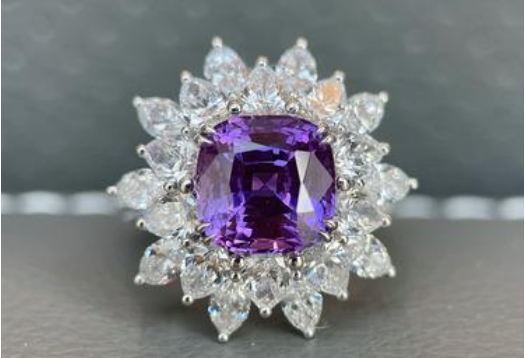
Purple Sapphire: A Gem of Royalty and Mystery
Purple sapphire is a striking and rare gemstone admired for its regal hues, which symbolize wisdom, luxury, and creativity. Its color ranges from soft lavender to deep violet, influenced by trace amounts of vanadium. With a hardness of 9 on the Mohs scale, purple sapphire is exceptionally durable, making it ideal for fine jewelry.
These exquisite sapphires are primarily sourced from Sri Lanka, Madagascar, Myanmar, and Tanzania, with Sri Lankan and Madagascan varieties often displaying the most vivid and desirable shades. Unlike many sapphires, purple sapphires are usually naturally vibrant without requiring heat treatment, making unheated specimens particularly valuable.
A unique alternative to traditional blue sapphires and amethysts, purple sapphires bring a sense of sophistication and individuality to engagement rings, pendants, and statement jewelry. Their rarity and enchanting beauty make them a sought-after choice for collectors and fine jewelry enthusiasts.
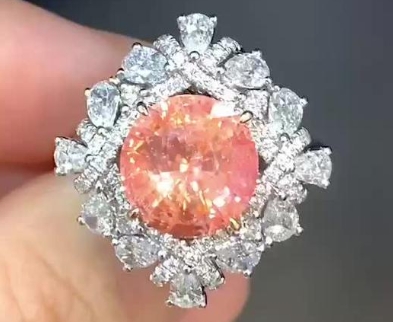
Padparadscha Sapphire: The Rare Gem of Pink and Orange Harmony
Padparadscha sapphire is one of the rarest and most coveted gemstones, known for its unique blend of pink and orange hues. Its color is often described as resembling the delicate shades of a tropical sunset, making it one of the sapphire family's most romantic and intriguing choices. Its hardness of 9 on the Mohs scale makes it highly durable and perfect for high-end jewelry.
Padparadscha sapphires are primarily found in Sri Lanka and Madagascar, with Sri Lankan sapphires being particularly prized for their vibrant, balanced color. Unlike most sapphires, which are blue, the distinct pink-orange hue of Padparadscha is naturally occurring and highly sought after.
Due to their rarity, Padparadscha sapphires are often seen as a symbol of love and passion, making them a unique choice for engagement rings and exceptional occasion jewelry. The combination of pink and orange gives them an unmistakable allure, adding elegance and warmth to any jewelry collection.
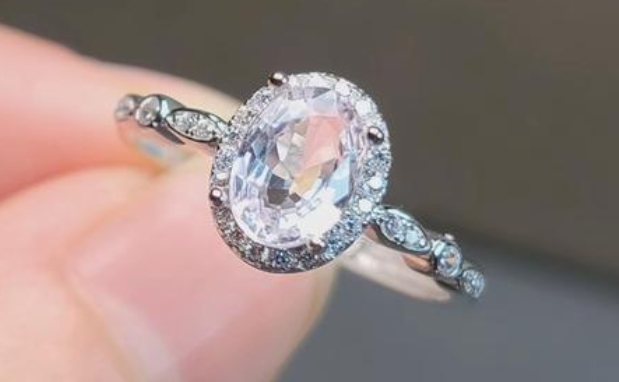
White Sapphire: A Brilliant and Timeless Alternative
White sapphire is a stunning gemstone that offers the elegance of a diamond with a unique sparkle. Its colorless clarity and exceptional brilliance make it a highly sought-after choice for those looking for an alternative to traditional diamonds. With a hardness of 9 on the Mohs scale, white sapphire is durable and ideal for daily wear, making it perfect for engagement rings and other fine jewelry.
White sapphires are primarily sourced from Sri Lanka, Madagascar, and Thailand, with Sri Lanka being one of the most renowned sources for high-quality white sapphires. Unlike diamonds, white sapphires are naturally clear and do not require additional treatments to enhance their appearance.
While diamonds remain the most popular choice for engagement rings, white sapphires offer a cost-effective yet equally dazzling alternative. Their transparent beauty and brilliant sparkle make them an attractive option for those seeking understated elegance and a timeless look.
Parti-Colored Sapphire: A Captivating Mix of Hues
Parti-colored sapphire is a stunning and unique gemstone known for its striking combination of colors. Typically featuring a blend of two or more colors, such as blue and yellow, green and yellow, or even pink and orange, parti-colored sapphires are celebrated for their vibrant, multi-tone beauty. This rare gemstone is formed under specific geological conditions, making each piece unique. With a hardness of 9 on the Mohs scale, it is durable and perfect for use in high-quality jewelry.
Parti-colored sapphires are primarily sourced from Australia, Madagascar, and Sri Lanka. Australian sapphires are particularly famous for their bold color combinations and unique visual appeal. The most popular particolored sapphires feature a mix of blue and green, yellow and green, or blue and yellow, creating an enchanting and ever-changing effect depending on the light and angle of view.
The striking contrast and natural beauty of parti-colored sapphires make them desirable for unique engagement rings, pendants, and statement jewelry. Their rare and dynamic nature ensures they stand out in any collection, offering a gemstone that is visually captivating and full of personality.
Bi-Colored Sapphire: A Harmonious Blend of Two Colors
Bi-colored sapphires are captivating gemstones that display two distinct colors within a single stone, creating a stunning visual contrast. The color combination can range from blue and yellow, green and blue, to pink and yellow, each offering a unique and elegant appearance. These gemstones naturally form under specific geological conditions, giving each bi-colored sapphire its character. With a hardness of 9 on the Mohs scale, bi-colored sapphires are highly durable, making them ideal for fine jewelry that can be worn daily.
Bi-colored sapphires are primarily sourced from Sri Lanka, Madagascar, and Thailand. Sri Lanka is known for producing some of the most exquisite and vibrant examples of this gemstone. The colors in bi-colored sapphires are often clearly defined, with one color dominating one part of the stone and another transitioning smoothly or sharply into the second hue.
Due to their rarity and unique appearance, bi-colored sapphires are popular for engagement rings and custom jewelry pieces. Their two-tone beauty makes them a standout in any collection, offering a perfect blend of elegance and individuality.
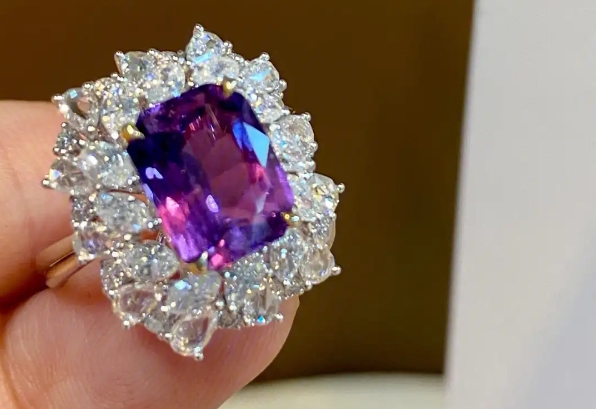
Color-Change Sapphire: A Gemstone of Magical Transformation
Color-change sapphires are fascinating and rare gemstones known for their ability to shift color depending on the light source. Under natural daylight, they typically appear as a blue or green hue, while under incandescent light, they can change to shades of purple, pink, or red. This captivating phenomenon is caused by trace elements like chromium and iron, which interact with different light wavelengths. With a hardness of 9 on the Mohs scale, color-change sapphires are durable and perfect for fine, everyday jewelry.
Color-change sapphires are primarily sourced from Sri Lanka, Madagascar, and Tanzania, with Sri Lanka being one of the most famous sources for high-quality color-change sapphires. These stones are especially prized for their ability to display multiple hues, making them highly unique and sought after.
The mesmerizing transformation of color-change sapphires makes them popular for engagement rings, pendants, and other unique jewelry pieces. Their rarity and the enchanting visual effect they offer ensure they stand out as a one-of-a-kind gemstone.
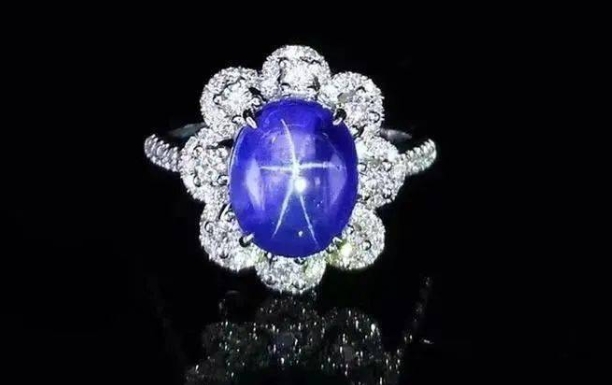
Star Sapphire: A Celestial Beauty with a Unique Star Effect
Star sapphire is a captivating gemstone known for its stunning, star-like effect that appears on its surface. This unique optical phenomenon, asterism, occurs due to needle-like rutile inclusions within the sapphire. A star pattern, typically with 12 rays, emerges when viewed under direct light, giving the sapphire a celestial appearance. Star sapphires are generally cabochon-cut to enhance this effect, and with a hardness of 9 on the Mohs scale, they are durable and perfect for various types of jewelry.
Star sapphires are primarily sourced from Sri Lanka, Myanmar, Thailand, and India. Sri Lanka is renowned for producing some of the finest and most striking examples of this gem. The star effect can range in color, including blue, black, gray, and even pink, with blue star sapphires being the most popular.
The ethereal star pattern combined with the sapphire’s natural beauty makes it a sought-after gemstone for engagement rings, pendants, and statement pieces. Star sapphires' rarity, along with their mystique and captivating appearance, ensures they stand out in any jewelry collection.
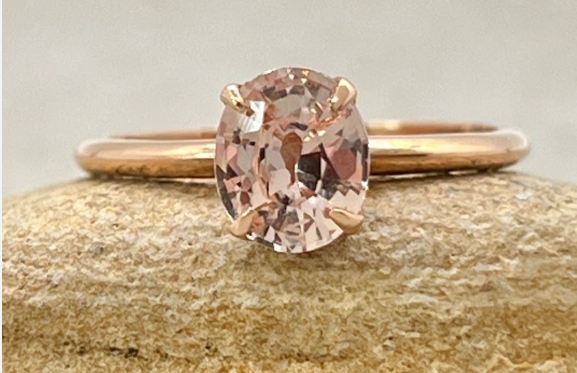
Peach Sapphire: A Soft, Elegant Gemstone with Subtle Charm
Peach sapphire is a delicate and beautiful gemstone known for its warm, peachy hues that range from soft pastel shades to more intense, vibrant tones. This gemstone perfectly blends pink and orange, offering a subtle yet captivating glow. Peach sapphire is highly durable, with a hardness of 9 on the Mohs scale, making it an excellent choice for fine jewelry that lasts.
Peach sapphires are primarily sourced from Sri Lanka, Madagascar, and Tanzania, with Sri Lanka being the most renowned source for these radiant stones. The natural color of peach sapphires is due to the presence of trace elements like iron and chromium, giving them their distinctive warm glow.
Peach sapphire's gentle and inviting color makes it a popular choice for engagement rings, necklaces, and earrings. It is an elegant alternative to traditional gemstones, providing a unique and sophisticated look for those seeking something different.
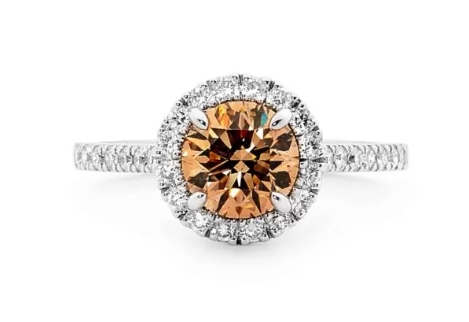
Brown Sapphire: A Gem of Warmth and Earthy Elegance
Brown sapphire is a unique and understated gemstone known for its rich, warm tones, ranging from light honey to deep chocolate brown. This gem offers a natural, earthy elegance, with its subtle colors making it an excellent choice for those looking for something different from traditional gemstones. With a hardness of 9 on the Mohs scale, brown sapphire is durable and perfect for everyday wear in fine jewelry.
Brown sapphires are primarily sourced from Sri Lanka, Madagascar, and Australia, with Sri Lanka being the most prominent producer of high-quality brown sapphires. Trace elements like iron cause brown sapphires to vary in color, giving them their distinctive hue. Some brown sapphires even exhibit hints of yellow, making them a versatile and attractive choice for various jewelry designs.
The natural warmth of brown sapphire makes it a popular choice for engagement rings, pendants, and bracelets. It offers a sophisticated and unique alternative to more common gemstones. Its rich, earthy tones are perfect for those who appreciate understated beauty and desire a one-of-a-kind piece.
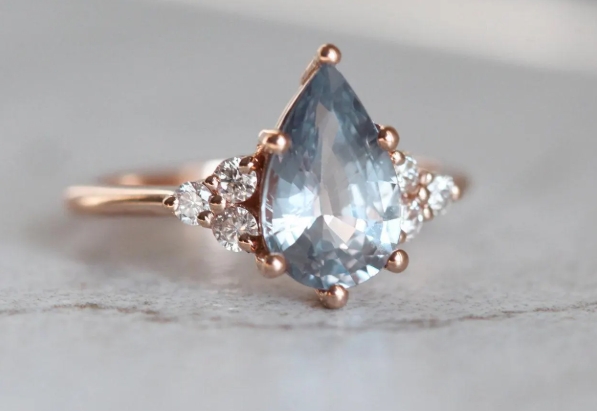
Gray Sapphire: A Sophisticated and Subtle Gemstone
Gray sapphire is an elegant and versatile gemstone known for its soft, neutral tones, which range from light silver to darker graphite hues. This understated beauty offers a sophisticated, modern alternative to traditional gemstones like diamonds and blue sapphires. With a hardness of 9 on the Mohs scale, gray sapphire is durable, making it an ideal choice for everyday jewelry, including engagement rings and fine pieces.
Gray sapphires are primarily sourced from Sri Lanka, Madagascar, and Australia, with Sri Lanka being one of the most renowned regions for producing high-quality gray sapphires. The gray color is typically due to trace elements such as iron, titanium, and chromium, which give the stone its unique, muted hue. Some gray sapphires may exhibit slight blue or brown undertones, adding to their depth and charm.
The subtle yet sophisticated appearance of gray sapphire makes it a perfect choice for those looking for a gemstone with understated elegance. Its neutral color complements a wide range of metal settings, and it works beautifully in engagement rings, necklaces, and bracelets.
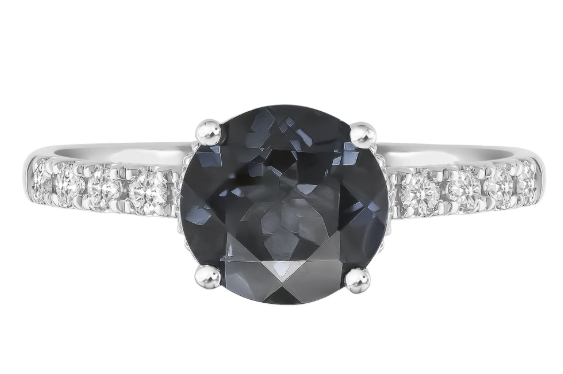
Black Sapphire: A Bold and Timeless Gemstone
Black sapphire is a striking and sophisticated gemstone known for its deep, dark hue that exudes elegance and strength. Unlike other sapphires, black sapphires are typically opaque or translucent, showcasing a glossy, almost jet-black appearance. With a hardness of 9 on the Mohs scale, black sapphire is incredibly durable, making it an ideal choice for high-end jewelry that can withstand daily wear.
Black sapphires are primarily sourced from Sri Lanka, Australia, and Madagascar, with Sri Lanka being one of the most renowned sources for these bold gemstones. The black color of the sapphire is a result of trace elements such as iron and titanium, giving the stone its rich, dark appearance.
The intense color and striking presence of black sapphires make them popular for engagement rings, pendants, earrings, and other statement pieces. Their versatility allows them to be paired with various metals, including white gold, platinum, and yellow gold, creating a bold contrast. Black sapphire also holds a unique place in modern jewelry, offering a sleek, edgy look that appeals to those who appreciate minimalist elegance with a touch of drama.
Sapphires offer a diverse range of colors, each with its unique charm and symbolism. Whether you're looking for a classic blue sapphire or a vibrant green one, there's a sapphire to suit every taste and style.
Synthetic vs. Natural Sapphires: Comparison and Benefits
Sapphires exist in both natural and synthetic forms, each offering distinct advantages. Understanding their differences can help buyers make informed choices based on aesthetics, price, and ethical considerations.
1. Formation & Origin
Natural Sapphires: Formed over millions of years under high pressure and temperature within the Earth's crust and mined from sources such as Sri Lanka, Madagascar, and Australia.
Synthetic Sapphires are created in laboratories using the Verneuil, Czochralski, or hydrothermal methods, replicating natural sapphire growth conditions.
2. Appearance & Quality
Natural Sapphires: Each stone may contain inclusions, color zoning, or slight imperfections, making it unique. High-quality specimens with excellent clarity and color command premium prices.
Synthetic Sapphires: Virtually flawless with consistent color and clarity, making them visually identical to high-grade natural sapphires.
3. Price & Affordability
Natural Sapphires are more expensive due to rarity, mining costs, and market demand. Prices vary significantly based on color, clarity, and origin.
Synthetic Sapphires are generally more affordable, offering an attractive alternative for budget-conscious buyers seeking beauty without the high price tag.
4. Ethical & Environmental Impact
Natural Sapphires: Mining can impact ecosystems and raise ethical concerns related to labor practices. However, responsibly sourced natural sapphires support local economies.
Synthetic Sapphires: A more sustainable and ethical choice, as they require no mining and have minimal environmental impact.
5. Durability & Uses
Both natural and synthetic sapphires rank 9 on the Mohs hardness scale, making them highly durable for jewelry and industrial applications (such as watch faces and electronics).
Which One Should You Choose?
For investment and rarity: Natural sapphires hold long-term value and are preferred by collectors.
For affordability and sustainability: Synthetic sapphires offer a flawless, budget-friendly alternative without ethical concerns.
Both options provide stunning beauty, ensuring that sapphire lovers can find the perfect gemstone to match their needs and values.
Comparison Summary
Feature | Natural Sapphires | Synthetic Sapphires |
Origin | Mined from the earth | Created in a lab |
Inclusions | Typically have inclusions | Fewer inclusions |
Color Variability | More varied and unique | Consistent color |
Environmental Impact | Higher due to mining | Lower, more sustainable |
Cost | Generally more expensive | Less expensive |
Global Sapphire Mining Locations
Sapphires are mined in various locations worldwide, each known for its unique characteristics and quality. Here are some of the major global sapphire mining locations:
1. Sri Lanka
Known as: "Jewel Box of the Indian Ocean"
Mining Methods: Artisanal small-scale mining (ASM) using traditional techniques.
Gemstone Variety: Famous for blue sapphires with a cornflower blue hue and the rare Padparadscha, which is orange-pink.
Historical Significance: Over 2,000 years of gemstone mining history.
2. Kashmir, India
Historical Mining: Mines were active from 1881 to 1887 in the Zanskar Range of the Himalayas.
Gemstone Characteristics: Renowned for velvety blue sapphires with fine inclusions.
Current Status: Mines are depleted, making Kashmir sapphires extremely rare and valuable.
3. Madagascar
Discovery: Sapphire deposits were discovered in the late 1990s.
Gemstone Variety: Known for many colors, including blue, green, and rare colors like padparadscha.
Mining Locations: Ilakaka is a significant mining area.
4. Australia
Mining Regions: New South Wales and Queensland are significant sapphire-producing regions.
Gemstone Characteristics: Australian sapphires are often darker and feature color-banding, creating bi-colored or parti-colored stones.
Environmental Practices: Mining is regulated with strong environmental and labor laws.
5. Montana, USA
Mining Locations: Notable areas include Yogo Gulch and the Missouri River.
Gemstone Characteristics: Known for their unique teal color and lighter pastel tones.
Environmental Practices: Mining is conducted under strict environmental regulations.
6. Myanmar (Burma)
Historical Significance: It is traditionally known for high-quality sapphires, though current mining activities are limited.
Gemstone Characteristics: Sapphires from Myanmar are often associated with high quality and historical value.
7. Tanzania
Mining Locations: Umba River Valley and Tunduru are significant areas.
Gemstone Variety: Known for color-change sapphires and a wide range of colors.
Unique Features: Tanzanian sapphires often exhibit natural color-change properties without heat treatment.
8. Kenya
Mining Locations: Baringo district and Garba Tula are notable areas.
Gemstone Variety: Produces blue, green, yellow, and pink sapphires.
Unique Features: Some Kenyan sapphires display a golden sheen effect due to hematite inclusions.
9. Nigeria
Mining Locations: Notable deposits are found in the Mambilla Plateau.
Gemstone Characteristics: Nigerian sapphires are known for their clarity and vibrant colors, including blues, greens, and pinks.
Mining Practices: Primarily artisanal mining, contributing to local economies.
10. Other Locations
Afghanistan, Cambodia, China, Colombia, Laos, Malawi, Nepal, Pakistan, Tajikistan, Thailand, and Vietnam: These countries also have sapphire mining activities, though they may not be as prominent as the above locations
Factors Influencing Sapphire Value
The value of a sapphire is determined by several key factors, including its color, clarity, cut, carat weight, and origin. Understanding these aspects helps buyers decide when selecting a sapphire for their jewelry.
1. Color – The Most Important Factor
The most valuable sapphires exhibit vivid, saturated hues without being too dark or light.
Blue Sapphires: Royal blue and cornflower blue are the most sought-after shades.
Fancy Sapphires: Pink, yellow, green, and padparadscha (pink-orange) are also highly prized.
Color Evenness: Uniformity in hue and minimal color zoning increases the stone’s value.
2. Clarity – Inclusions and Transparency
Unlike diamonds, sapphires naturally contain inclusions. However, fewer visible inclusions increase value.
Eye-clean sapphires (without visible flaws to the naked eye) are more desirable.
Silk Inclusions: Some sapphires have needle-like inclusions that create a soft glow, adding character but potentially reducing clarity.
3. Cut – Enhancing Brilliance
A well-proportioned cut maximizes brilliance and enhances color.
Popular Cuts: Round, oval, cushion, and emerald cuts are common for sapphire jewelry.
Poorly cut stones may appear dull or lifeless, reducing their market value.
4. Carat Weight – Size and Rarity
Larger sapphires (over 5 carats) are significantly rarer and more expensive.
Smaller sapphires with excellent color and clarity can still be valuable, depending on quality.
5. Treatment – Natural vs. Enhanced Sapphires
Heat Treatment: Commonly used to improve color and clarity. Treated sapphires are more affordable than untreated ones.
Unheated Sapphires: Rare and highly valuable, often certified by gemological labs.
Other Treatments: Diffusion, fracture filling, or beryllium treatment may reduce a sapphire’s worth.
6. Origin – Geographic Influence on Value
Kashmir Sapphires: The rarest and most valuable, known for their velvety blue color.
Burmese Sapphires: Deep royal blue with exceptional saturation.
Ceylon (Sri Lankan) Sapphires: Brilliant and slightly lighter blue.
Madagascar Sapphires: Increasingly popular for their high quality and affordability.
A sapphire’s value depends on its balance of color, clarity, cut, size, treatment, and origin. For high-quality, hand-cut sapphires, Wuzhou Tianyu Gems Co., Ltd. offers a premium selection to meet both aesthetic and investment needs.
Sapphire Care and Maintenance Tips
Sapphires are one of the hardest gemstones, ranking 9 on the Mohs scale, making them highly durable and resistant to scratches. However, proper care and maintenance are still essential to keep your sapphire jewelry looking its best. Here are some tips on how to care for your sapphire:
Cleaning Your Sapphire Jewelry
Use Warm Soapy Water: Mix a few drops of mild dish soap with warm water. Avoid harsh detergents or abrasive cleaners, which can damage the gemstone or its setting.
Soak and Brush: Soak your sapphire jewelry in soapy water for 10-15 minutes to loosen dirt and grime. Then, use a soft-bristled toothbrush to gently scrub the gemstone and its setting, paying attention to crevices where dirt accumulates.
Rinse Thoroughly: Rinse the jewelry under lukewarm running water to remove soap residue. Ensure a sink plug is in place to prevent loss.
Dry with a Soft Cloth: Pat the jewelry dry with a lint-free or microfiber cloth. Avoid air-drying, as water spots can form on the surface.
Professional Cleaning
Ultrasonic and Steam Cleaning: These methods are generally safe for sapphires but should be done by a professional. Exceptions include heavily fractured or black star sapphires.
Frequency: Have your sapphire jewelry professionally cleaned every six to twelve months to maintain its sparkle.
Storage and Handling Tips
Separate Storage: Store sapphire jewelry in separate compartments or pouches to prevent scratching. Sapphires can scratch softer gemstones and metals.
Avoid Harsh Chemicals: Never expose your sapphire jewelry to harsh chemicals like bleach, acetone, or paint thinner, as they can damage the gemstone or its setting.
Remove During Activities: To prevent damage or buildup, remove your sapphire jewelry during physical activities, such as swimming, or when using household cleaners.
Check Settings Regularly: Ensure the stones are securely set in their mountings to prevent loss.
Insure Your Jewelry: Consider insuring your sapphire jewelry to protect against loss or theft.
Industry experts emphasize the importance of regular cleaning and proper storage. As noted, "Sapphires are incredibly durable but require gentle care to maintain their brilliance. Regular cleaning and careful handling ensure your sapphire jewelry remains vibrant for years."
Follow these care and maintenance tips to keep your sapphire jewelry looking its best. Whether you're caring for a blue sapphire or a vibrant pink one, proper care ensures it remains a treasured piece for generations.
Market Trends and Statistics for Sapphires
The global sapphire market is experiencing notable growth, driven by increasing demand in the jewelry and electronics sectors. Here's an overview of the current trends and statistics shaping the sapphire industry:
Market Size and Growth:
The sapphire market was valued at approximately $7.61 billion in 2023. Projections indicate growth to $8.11 billion in 2024, with expectations to reach $13.54 billion by 2032. This reflects a Compound Annual Growth Rate (CAGR) of 6.61% during the forecast period from 2025 to 2032.
The sapphire jewelry segment is also on the rise. The market size is anticipated to grow from $909.2 million in 2024 to $1,562.3 million by 2033, corresponding to a CAGR of 6.2% between 2024 and 2033.
Demand Drivers:
Jewelry Industry: Sapphires are a popular choice in high-end jewelry, and they are appreciated for their durability and vibrant colors. There's a growing consumer interest in unique and colorful gemstones and an increasing demand for sapphires in various hues beyond traditional blue.
Electronics Industry: Sapphire's exceptional hardness and scratch resistance make it ideal for applications like smartphone screens and LED displays. The expanding consumer electronics market significantly contributes to the rising demand for synthetic sapphire materials.
Regional Insights:
Asia-Pacific: This region dominates the sapphire market, driven by strong demand from countries like China and India. The growing middle-class population with increasing disposable incomes fuels the consumption of sapphire-based products.
North America and Europe: Both regions maintain significant market shares, supported by established jewelry markets and technological advancements in electronics.
Market Trends:
Shift Towards Larger and Vibrant Gemstones: High jewelry embraces unconventional and vibrant gemstones, including various colored sapphires, to highlight individuality and sophistication. This trend reflects a growing appreciation for gemstones' unique hues and tones.
Synthetic Sapphire Growth: The market for synthetic sapphires is expanding due to their cost-effectiveness and consistent quality. These lab-grown sapphires are increasingly used in both jewelry and industrial applications.
In summary, the sapphire market is poised for steady growth, driven by diverse applications in jewelry and electronics, regional economic developments, and evolving consumer preferences towards unique and colorful gemstones.
For more insights into gemstones, explore our guides on blue gemstones and pink gemstones. Visit the Gemological Institute of America for more information on gemstone certification and quality assurance. Ready to find your perfect sapphire? Visit Tianyu Gems today to explore our collection and design your own unique piece of jewelry.
