



The Ultimate Guide to Pearls: Types, Colors, and Value
What Are Pearls and How Are They Formed?
Pearls are among the most enchanting gems in the world, unique because they’re the only ones created by living creatures rather than geological processes. Unlike mined gemstones, pearls emerge from mollusks—such as oysters and mussels—through a fascinating blend of nature’s defense mechanism and time. Their lustrous beauty and organic origin have made them symbols of elegance and rarity for centuries, cherished across cultures from ancient royalty to modern fashion.
The Formation Process: Nature’s Masterpiece
Pearls begin with an irritant—a tiny grain of sand, a parasite, or even a piece of shell—that finds its way inside a mollusk’s soft tissue. To protect itself, the mollusk secretes a nacre, also known as mother-of-pearl. Nacre is composed of calcium carbonate (aragonite) and a protein called conchiolin, which creates a strong, iridescent coating. Layer by layer, nacre envelops the irritant, gradually forming a pearl. This process can take years—typically 2 to 5 years for cultured pearls and even longer for natural ones—resulting in a gem with a smooth, reflective surface that dances with light.
Natural Pearls: A Rare Gift
In the wild, pearls form without human help, making them exceptionally rare. Saltwater mollusks like the Pinctada oyster species in oceans (e.g., the Persian Gulf or Indian Ocean) or freshwater mussels in rivers and lakes (e.g., the Mississippi River) produce these treasures spontaneously. Because this happens so infrequently—estimates suggest only 1 in 10,000 wild oysters yields a pearl naturally—they’ve historically been prized by royalty and collectors. Their shapes are often irregular, ranging from baroque to near-round, and their scarcity drives their value.
Cultured Pearls: Human Ingenuity Meets Nature
Today, most pearls are cultured, pioneered by Japanese innovator Mikimoto in the early 20th century. In culturing, pearl farmers carefully insert a nucleus—usually a polished bead or piece of shell—into the mollusk, triggering nacre production under controlled conditions. Saltwater oysters produce gems like Akoya, Tahitian, and South Sea pearls, while freshwater mussels yield diverse shapes and colors. This method ensures consistency and availability, making pearls accessible without sacrificing their allure. For example, a freshwater mussel can produce up to 20 pearls, compared to one or two from a saltwater oyster.
Why Pearls Stand Out
What sets pearls apart is their organic nature and the way they reflect light, thanks to nacre’s microscopic crystalline structure. This gives them a soft, glowing luster that shifts with angles, unlike the sharp sparkle of faceted gems. Their colors—white, black, golden, pink, and more—depend on the mollusk species, water conditions, and trace elements, adding to their individuality. Whether natural or cultured, pearls embody a harmony of chance and craftsmanship, making each one a tiny miracle of the natural world.
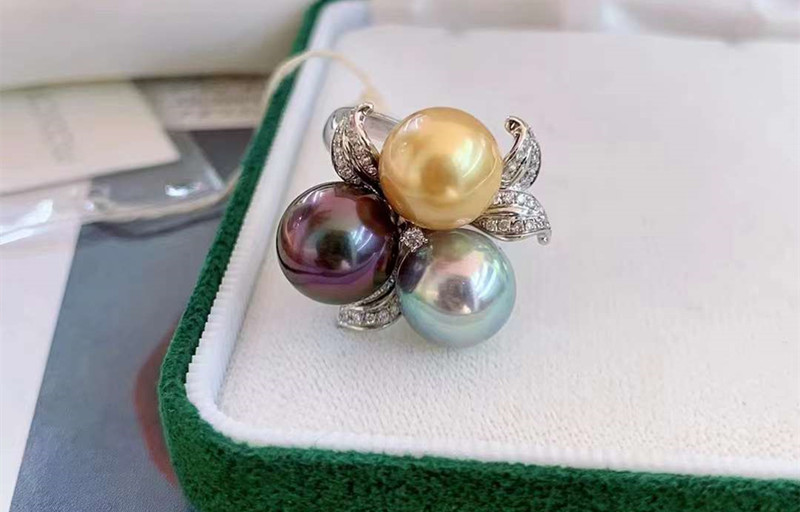
Types of Pearls: From Natural to Cultured
Pearls are as diverse as the mollusks that create them, spanning a spectrum from wild, natural wonders to carefully cultivated gems that dominate today’s jewelry market. Each type—natural, cultured, imitation, or specialty—carries distinct traits shaped by its origin, formation process, and aesthetic appeal. As of 2025, understanding these types helps jewelry enthusiasts and collectors appreciate their value and versatility. Below, we explore the full range, adding insights into their historical significance and modern uses.
Natural Pearls: Nature’s Rarities
Natural pearls are the purest expression of chance in gemology, formed when an irritant enters a mollusk without human aid, prompting nacre secretion over years.
Saltwater Natural Pearls: Born in oysters like Pinctada radiata or Pinctada margaritifera in oceans—think Persian Gulf, Indian Ocean, or Australian waters—these pearls are prized for their scarcity. Historically, they adorned royalty, with divers risking their lives to harvest them. Today, their irregular shapes (baroque to near-round) and glowing luster make them rare finds, often fetching thousands at auctions.
Freshwater Natural Pearls: These pearls emerge from mussels in rivers and lakes, such as North America’s Mississippi or Europe’s Elbe. They are smaller and less uniform. Before culturing took over, they fueled trade in the 19th century, with pearls like Scotland’s river pearls famed for their creamy hues. Their organic charm endures in vintage collections.
Cultured Pearls: Crafted Beauty
Cultured pearls revolutionized the industry, blending human ingenuity with nature’s magic. A nucleus is implanted to stimulate nacre growth, yielding predictable yet stunning results:
Akoya Pearls: From Japan and China’s Akoya oysters (Pinctada fucata martensii), these 5-9mm pearls are the gold standard for classic jewelry—think strands and studs. Their mirror-like luster and white-to-cream tones, often with pink or green overtones, owe much to Mikimoto’s legacy.
Tahitian Pearls: Cultivated in French Polynesia’s black-lipped oysters (Pinctada margaritifera), these pearls range from 8 to 16mm and dazzle in dark shades—black, gray, or peacock—with iridescent overtones. Their bold look suits statement pieces.
South Sea Pearls: Grown in Pinctada maxima oysters across Australia, Indonesia, and the Philippines, these 9-20mm giants boast a satiny finish in white, silver, or golden hues. They’re the pinnacle of luxury, often headlining high-end designs.
Freshwater Cultured Pearls: From Chinese mussels like Hyriopsis cumingii, these pearls (2-13mm) offer incredible variety—round, baroque, or oval—in colors like white, pink, lavender, and peach. Their affordability and abundance make them a jewelry staple.
Imitation Pearls: Affordable Alternatives
Imitation pearls replicate the real thing for broader accessibility:
Majorca Pearls: Crafted in Spain, these glass or plastic beads are coated with pearlescent layers, offering uniformity and shine at a low cost. They’re popular in fashion jewelry.
Shell Pearls: Made from ground mollusk shells, molded into beads, and polished with a nacre-like coating, shell pearls are a step up from basic fakes—durable and convincing.
Glass or Plastic Imitation Pearls: These synthetics, which are mass-produced and lightweight and coated with an artificial sheen, are perfect for budget-friendly costume pieces.
Specialty Pearls: Unique Gems
Some pearls defy convention, offering rare and striking qualities:
Baroque Pearls: With irregular shapes (teardrop, oval, or abstract), they can be natural or cultured, saltwater or freshwater. Their one-of-a-kind forms appeal to artistic designs.
Blister Pearls: Formed against the mollusk’s shell, these dome-shaped pearls are cut away for use in earrings or pendants, blending natural and crafted elements.
Keshi Pearls: Small, nucleus-free pearls arising during culturing, they’re pure nacre, delivering exceptional luster in saltwater or freshwater varieties.
Conch Pearls: These non-nacreous pearls, which come from the Caribbean’s Queen Conch (Lobatus gigas), glow in pink, peach, or white, with flame-like patterns and a smooth finish.
Melo Pearls: Produced by Southeast Asia’s Melo snail (Melo melo), they’re non-nacreous, vivid orange or yellow, and ultra-rare, prized by collectors.
Abalone Pearls: These irregular pearls, crafted from Pacific abalone (Haliotis species), shimmer with iridescent blue, green, or purple, mirroring their shells’ rainbow hues.
Pearls in Context
Historically, natural pearls defined luxury—think Cleopatra dissolving one in vinegar to impress Mark Antony. Today, cultured pearls democratize that elegance, while specialty types add flair. Whether adorning a royal crown or a modern necklace, their types reflect a timeless journey from ocean depths to jewelry boxes worldwide.
Factors Influencing Pearl Quality and Value
The value and quality of pearls hinge on a nuanced interplay of physical characteristics and market dynamics, making them distinct from other gems. As of March 24, 2025, these factors—luster, size, shape, color, surface quality, nacre thickness, and origin—are quantifiable through industry standards and recent data, offering a clear lens into what drives a pearl’s worth. Below, we break down each factor with specific data points drawn from current trends and projections, reflecting their impact in 2025’s jewelry market.
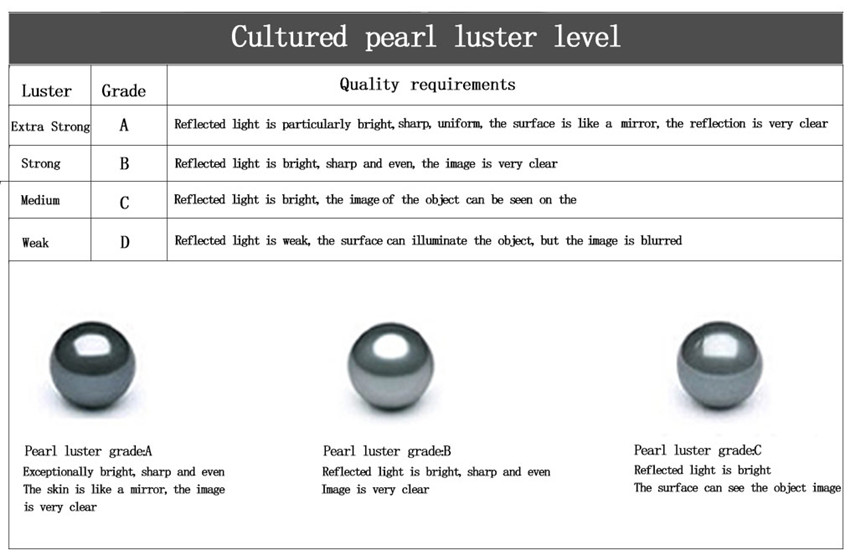
Luster: The Defining Shine
Luster, the reflective quality of a pearl’s surface, is the top determinant of quality. High-luster pearls show sharp, mirror-like reflections, a result of uniform nacre layers. According to the Gemological Institute of America (GIA), AAA-grade pearls—the highest tier—exhibit “excellent” luster, with reflections so crisp you can see your face. In 2024, Jewelmer reported that top-grade South Sea pearls with superior luster fetched $50-$100 per millimeter in diameter at wholesale, a trend projected to rise 5-10% in 2025 due to demand (Pearl Report 2024-2025). Low-luster pearls, graded A or below, often sell for 50-70% less, appearing chalky and less vibrant.
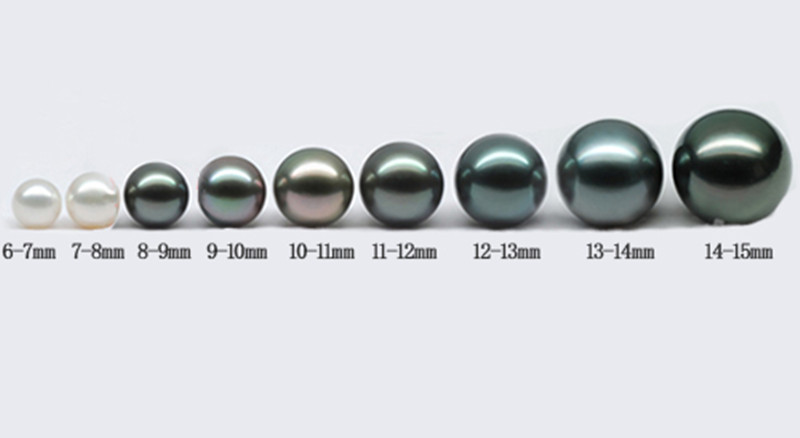
Size: Rarity in Millimeters
Size directly correlates with value, as larger pearls are rarer and take longer to cultivate. In 2024, South Sea pearls averaged 11-15mm, with exceptional 18-20mm specimens reaching $5,000-$10,000 per pearl at retail (JewelleryNet). Tahitian pearls typically range 9-14mm, while Akoya pearls hover at 6-8mm. Freshwater pearls, more abundant, span 4-13mm, with 10mm+ rounds commanding a premium—up 15% in price since 2023 (Custom Market Insights). Data from 2025 projections suggests a 1mm increase in diameter can boost value by 20-30% when other factors align, reflecting cultivation challenges.
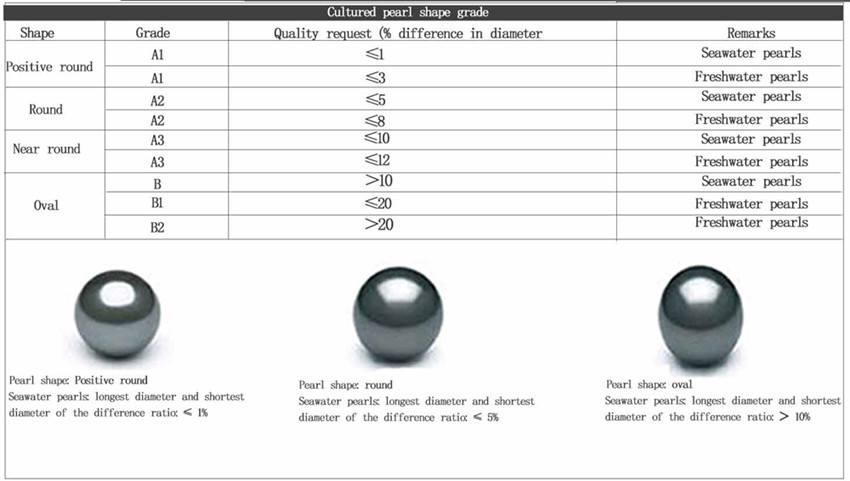
Shape: The Round Ideal
Perfectly round pearls are the gold standard, comprising just 5-10% of harvests (GIA). In 2024, a strand of 7mm AAA round Akoya pearls retailed at $1,200-$1,800, while baroque equivalents dropped to $400-$600 (Pure Pearls). South Sea pearls over 15mm, even if slightly off-round, held strong at $3,000-$5,000 per strand wholesale. Baroque shapes—teardrop, oval, or irregular—gained traction in 2025, with a 12% sales uptick for artistic designs (Pearl Report 2024-2025), though round pearls retain a 40-50% value premium.
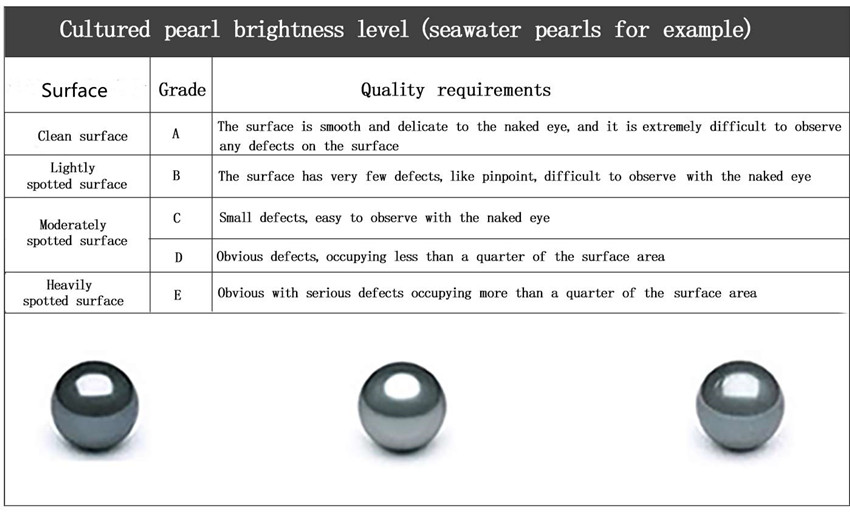
Surface Quality: Flawless Appeal
Surface perfection elevates value, with AAA-grade pearls requiring 95%+ blemish-free surfaces. In 2024, a flawless 14mm South Sea pearl sold for $1,500, while a C-grade (33-66% imperfections) equivalent dropped to $400 (GIA standards). Freshwater pearls with minor spots—common in 60% of yields—retail 30-40% lower than pristine counterparts. Data shows that severe flaws (chips, cracks) reduce durability and value by up to 70%, a consistent metric into 2025.
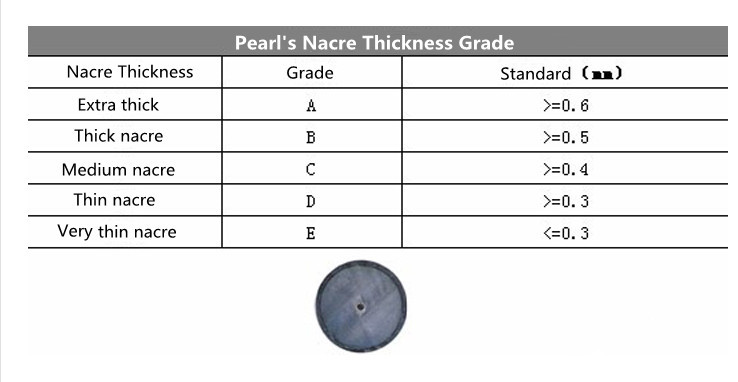
Nacre Thickness: Depth of Durability
Nacre thickness underpins luster and longevity. South Sea pearls average 2-3mm of nacre, Tahitian 1-2mm, and Akoya 0.4-0.6mm, per 2024 industry averages (Eusharon). Freshwater pearls, often solid nacre, dominate lower tiers but premium nucleated ones match South Sea at 2mm. In 2025, pearls with nacre below 0.3mm—10% of Akoya harvests—saw a 25% value drop due to peeling risks, while thick-nacre pearls held firm (Pearl Report 2024-2025).
Color: Rarity Meets Demand
Color drives value through rarity and market preference. Golden South Sea pearls, limited to 10-15% of harvests, saw prices rise 20% from 2023-2024, averaging $800-$1,200 per 12mm pearl in 2025 projections (JewelleryNet). Tahitian pearls with peacock overtones (green-blue-purple) hit $600-$1,000 per 10mm pearl, while common white freshwater pearls (70% of production) range $10-$50 for 8mm sizes. The 2025 market favors vibrant hues, with a 15% price surge for rare pinks and golds (Custom Market Insights).
Origin and Market Dynamics
Origin ties to reputation and supply. A 2024 Christie’s auction sold a natural Persian Gulf pearl necklace (10mm average) for $1.8 million, dwarfing cultured equivalents. South Sea pearls from Australia led 2025’s luxury segment, with a projected $14.6 billion global market (11.5% CAGR, Custom Market Insights). Tahitian exports require 0.8mm minimum nacre, enforcing quality (Perliculture Dept.). Demand for golden South Sea pearls spiked 18% in 2024, a trend expected to push prices 10% higher in 2025.
Specific Data Snapshot (2025 Projections)
Top Sale: 18mm golden South Sea pearl, AAA, $12,000 retail (est.).
Average Price: 8mm Akoya AAA strand, $1,500; 10mm Tahitian peacock, $800 per pearl.
Market Share: South Sea pearls, 35% of luxury sales; freshwater, 60% of volume (JewelleryNet).
Value Increase: 1mm size jump, +25%; flawless vs. flawed, +50%.
These factors and data points illustrate that a pearl’s worth in 2025 is a precise balance of measurable traits and market forces, guiding buyers from casual shoppers to investors.
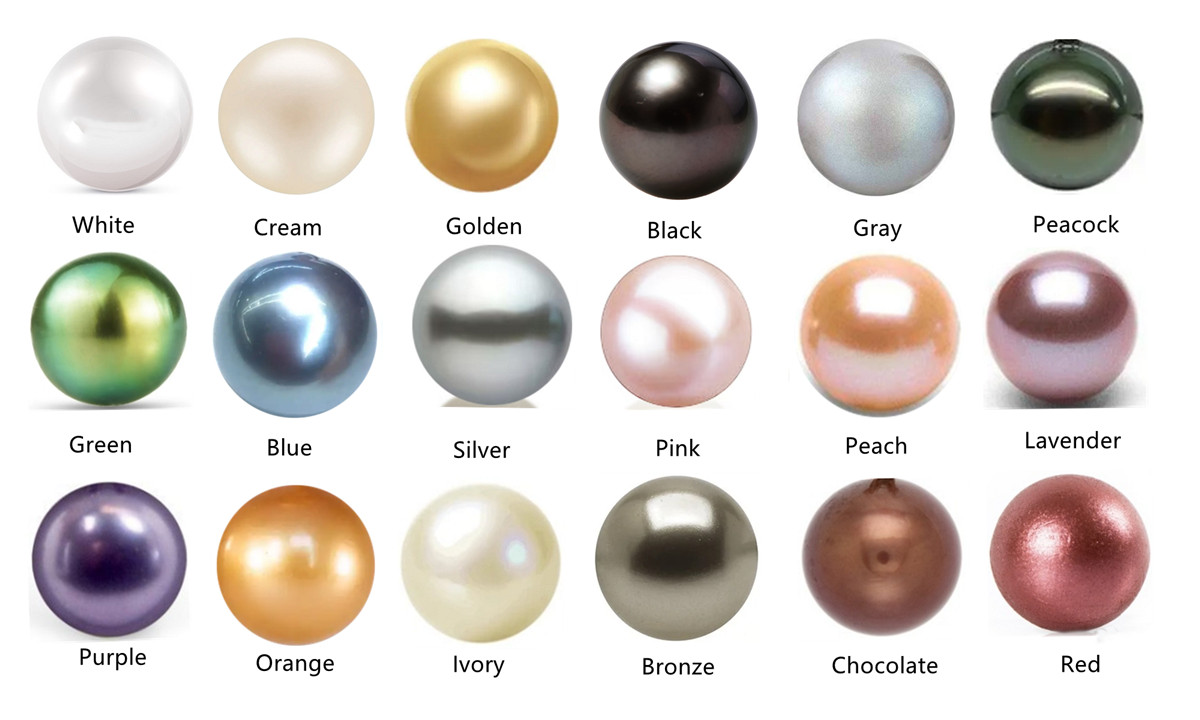
Common Pearl Colors
Pearl Color | Description | Common Pearl Types | Overtones |
White | Classic and elegant, symbolizing purity. | Akoya, South Sea, Freshwater | Rose, silver, cream |
Cream | Warmer than white, with a soft glow. | Akoya, South Sea, Freshwater | Yellow, gold, pink |
Golden | Luxurious deep gold pearls. | South Sea, Freshwater | Champagne, bronze, deep gold |
Black | Naturally dark, exotic, and elegant. | Tahitian, Freshwater (treated) | Green, peacock, aubergine, silver |
Silver | Cool-toned with a metallic sheen. | South Sea, Akoya, Tahitian | Blue, gray, rose |
Blue | Rare and unique, with oceanic hues. | Akoya, South Sea, Freshwater | Silver, gray, peacock |
Pink | Soft and romantic pastel color. | Freshwater, Conch | Rose, peach, lavender |
Peach | Warm-toned, delicate orange-pink. | Freshwater, Conch | Gold, apricot, coral |
Lavender | Unusual and beautiful light purple hue. | Freshwater | Silver, pink, violet |
Green | Exotic pearls with natural green shades. | Tahitian, Freshwater | Olive, peacock, neon green |
Peacock | A mix of green, blue, and purple hues. | Tahitian | Green, blue, violet |
Gray | Modern, sophisticated, and neutral-toned. | Tahitian, South Sea, Akoya | Silver, blue, purple |
Chocolate | Rich brown pearls, naturally or treated. | Tahitian (treated), Freshwater | Bronze, gold, auburn |
Orange | Bright, rare pearls, mostly non-nacreous. | Conch, Melo Melo | Coral, peach, yellow |
Yellow | Warm golden-yellow pearls, often large. | South Sea, Freshwater | Gold, cream, light orange |
Red | Extremely rare, deep red shades. | Conch | Pink, coral, orange |
Pearls captivate with their luminous beauty, but their diverse colors truly set them apart as organic gems. Unlike mined stones with fixed hues, pearl colors emerge from a complex interplay of biology and environment, ranging from soft whites to striking blacks, often enriched by iridescent overtones—secondary shades that shimmer atop the base color. As of March 24, 2025, advancements in pearl cultivation have only broadened this palette, making pearls a versatile choice for jewelry. Below, we explore the full spectrum of pearl colors across their types, delving into what makes each hue unique and how it’s achieved.
Saltwater Pearl Colors
Saltwater pearls, primarily from oysters, offer a sophisticated range honed by oceanic conditions:
White: A hallmark of Akoya pearls from Japan and South Sea pearls from Australia, this pristine shade often gleams with pink, silver, or cream overtones. Think of a classic Akoya strand glowing softly under light—a timeless favorite.
Cream: Warmer and softer than white, it is found in Akoya and South Sea pearls. It carries golden or rosy hints, evoking a vintage charm perfect for heirloom pieces.
Golden: This hue, exclusive to South Sea pearls from gold-lipped oysters in Indonesia or the Philippines, spans pale champagne to deep 24-karat gold. A single golden South Sea pearl can anchor a luxurious pendant.
Black: The calling card of Tahitian pearls, though rarely pure black—more often deep charcoal or midnight gray with green, blue, or purple overtones. A “black” Tahitian pearl necklace might shimmer with peacock-like iridescence.
Gray: This color is common in Tahitian pearls, ranging from light silver-gray to dark slate. It is often accompanied by metallic or green shimmers, lending a modern edge to earrings or rings.
Peacock: A Tahitian specialty, this dark green base dances with blue, purple, or bronze overtones, mimicking a peacock’s plumage—a favorite for bold statement jewelry.
Green: Seen in Tahitian pearls, from subtle pistachio to rich forest green, typically paired with gold or gray undertones, offering an earthy elegance.
Blue: Rare even among Tahitian pearls, ranging from pale sky blue to deep navy, with green or silver overtones—ideal for unique, high-end designs.
Silver: A cool, metallic sheen in South Sea and Akoya pearls, often with faint pink or blue highlights, exuding understated sophistication.
Pink: Mostly an overtone in Akoya pearls over white or cream bases, it’s rare as a dominant saltwater hue but adds a delicate blush to classic strands.
Freshwater Pearl Colors
Freshwater pearls, from mussels, showcase a wider, more vibrant range thanks to diverse cultivation in places like China:
White: Crisp and clean, a freshwater staple with faint pink, lavender, or silver overtones—think of a simple white freshwater pearl stud glowing with subtle iridescence.
Pink: Naturally occurring, from pale blush to vibrant peach, these hues stem from mussel biology and shine in playful designs like drop earrings.
Lavender: A soft purple exclusive to freshwater pearls, with a feminine charm and silver hints, often seen in baroque shapes for artistic appeal.
Peach: Warm and coral-like, blending orange and pink, this lively shade brightens necklaces or bracelets with a summery vibe.
Purple: Deeper than lavender, from light mauve to rich plum, it’s rare and striking, perfect for standout freshwater pieces.
Orange: Uncommon but vivid, ranging from soft apricot to bold tangerine, adding a pop of color to modern jewelry sets.
Ivory: Creamy with a yellowish tint, this vintage-inspired hue offers a softer alternative to pure white, ideal for classic looks.
Bronze: A metallic, earthy tone, often in baroque freshwater pearls, with golden or green overtones, lending a rustic yet refined touch.
Specialty Pearl Colors
Specialty pearls, from unique mollusks, bring rare and exotic hues to the table:
Pink (Conch Pearls): From the Caribbean’s Queen Conch, these range from pale pink to flamingo. They have a non-nacreous, porcelain finish and flame-like patterns, and they are stunning in rings or pendants.
Peach (Conch Pearls): These are warm, vibrant, and rare peach-orange pearls. They glow with a distinctive, smooth texture.
Orange (Melo Pearls): Bright and fiery, this non-nacreous hue comes from Southeast Asia’s Melo sea snail and dazzles in bold, collector-worthy pieces.
Yellow (Melo Pearls): Melo pearls are sunny and golden-yellow. They are glossy and scarce, prized for their vivid warmth.
Blue-Green (Abalone Pearls): These iridescent hues—teal, turquoise, emerald—shift with light, offering a rainbow sheen in organic shapes, and they come from Pacific abalone.
Purple (Abalone Pearls): Deep violet to magenta, often blended with blue or green iridescence, these abalone pearls are as dynamic as their shells.
What Shapes Pearl Colors?
Several factors determine a pearl’s hue:
Mollusk Species: Black-lipped oysters produce dark Tahitian pearls; gold-lipped oysters yield golden South Sea pearls. Freshwater mussels create pastel pinks and purples.
Environment: Water temperature, salinity, and minerals influence nacre—calmer waters enhance Akoya’s white tones, while tropical seas deepen Tahitian colors.
Overtones: Light interference in nacre layers creates secondary hues (e.g., green over black), adding depth and individuality.
Cultivation Techniques: Dyeing, standard in some freshwater pearls, introduces artificial colors like red or turquoise, though natural hues dominate premium markets.
Pearls in Jewelry: Color in Action
Pearl colors shine in application—white Akoya strands for bridal elegance, golden South Sea pearls for luxury, or peacock Tahitian drops for drama. Their organic variability ensures each piece is unique, a trait jewelers exploit to craft everything from minimalist studs to avant-garde necklaces. Whether you prefer the classic or the rare, pearl colors offer endless inspiration.
Sustainable Pearl Farming and Environmental Impact
Pearl farming has evolved into a sustainable practice that balances luxury with environmental care. As of March 24, 2025, responsible methods minimize ecological harm while enhancing ecosystems, making pearls a renewable gem choice. This section explores how sustainable pearl farming works and its environmental impact, supported by current trends and data.
Impacts of Traditional Practices
Historically, pearl harvesting depleted wild oysters and habitats. Modern cultured farming, if unsustainable, risks water pollution from chemicals or organic waste (e.g., oyster shells) and habitat disruption from overstocking. A 2020 life-cycle assessment pegged pearls’ global warming potential at 4.98 kg CO2 per kg—far less than gold’s 20,000 kg—but still notable in places like Japan’s Ago Bay, where dense farms harm benthic zones.
Sustainable Farming Practices
Sustainable pearl farming counters these issues with eco-friendly techniques:
Water Quality: Oysters filter 50 gallons of water daily, removing pollutants. Farms like Jewelmer in the Philippines ban nearby overfishing, preserving marine health.
Natural Methods: Biodegradable nets and reef fish for cleaning (e.g., in French Polynesia’s Ahe atoll) cut chemical use, reducing biofouling by 50% since 2006 (Kamoka Pearl).
Habitat Support: Farms double as artificial reefs, boosting biodiversity—fish populations rise 20-30% around them (National Geographic). In Mexico, Cortez farms have doubled wild oyster stocks since 2010.
Resource Efficiency: Solar power and recycled shell nuclei lower fossil fuel use by 30% in top farms (Pearl Report 2024-2025), with shells repurposed into jewelry or supplements.
These align with the trend in 2025, when 65% of luxury buyers prefer eco-conscious gems (Custom Market Insights).
Environmental Benefits
Sustainable farms offer tangible gains:
Biodiversity: In French Polynesia, farms as Marine Protected Areas have increased reef fish by 15% since 2020.
Low Carbon Footprint: Pearls’ 4.98 kg CO2 per kg shrinks further with green tech, outpacing mined gems.
Community Impact: Employing locals (e.g., 50% indigenous in Fiji’s pearl workforce, 2024 stats) reduces overfishing pressure.
Challenges and Outlook
Challenges remain: sustainable tech costs ($10,000-$50,000 for solar) burden small farms, and climate change cut yields by 5% in 2024 (JewelleryNet). Yet, 70% of Pacific farms now monitor water quality, up from 50% in 2020 (Sustainable Pearls). The $14.6 billion pearl market (11.5% CAGR) in 2025 reflects a demand for sustainable options, with golden South Sea pearls up 18% in sales (Custom Market Insights).
A Greener Luxury
Sustainable pearl farming proves beauty can coexist with ecology. “Farmers are ocean stewards,” says Dr. Laurent Cartier of Sustainable Pearls. Choosing sustainably farmed pearls—like those from Wuzhou Tianyu Gems Co., Ltd—supports thriving ecosystems and a greener future.
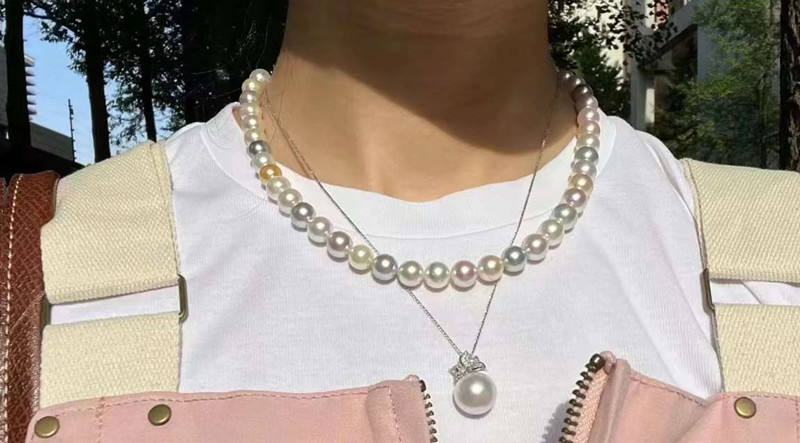
Caring for Your Pearl Jewelry: Maintenance Tips
Pearls are delicate and require special care to maintain their beauty and luster. Whether you're wearing a timeless pearl necklace, a pair of earrings, or a luxurious pearl ring, understanding how to care for your pearl jewelry properly is essential to preserving its longevity. Here are some expert tips to ensure your pearls stay as stunning as the day you bought them.
1. Avoid Contact with Harsh Chemicals
Pearls are composed of organic materials, and their surface can be damaged by chemical exposure. Avoid contact with the following:
Perfumes and hairsprays can dull the pearl's surface over time. Always apply perfumes and sprays before wearing your pearls.
Cosmetics: Makeup can stain pearls, especially foundation or other oily products.
Cleaning products: Household cleaners and detergents can dull the luster of pearls. Permanently remove pearl jewelry before cleaning or using harsh chemicals.
2. Keep Pearls Away from Heat and Sunlight
Direct sunlight and heat can dry out pearls and cause them to lose their luster. Prolonged exposure can also cause them to become brittle or cracked. Store your pearl jewelry in a cool, dry place, and avoid wearing it in hot environments, such as saunas or hot tubs.
3. Store Pearls Properly
Proper storage is essential to keeping your pearls in pristine condition when not in use. Here are some tips:
Use a soft cloth pouch or jewelry box: Store your pearls separately from other jewelry to prevent scratches. A soft-lined jewelry box or a fabric pouch works best.
Avoid plastic bags: Plastic can trap moisture, which can cause pearls to lose their sheen over time.
Store them in a breathable container: Pearls need to breathe, so avoid storing them in airtight containers that could cause them to dry out.
4. Clean Your Pearls Gently
Pearls should be cleaned with care to prevent scratching or damage. Here’s how to clean them properly:
Wipe with a soft cloth: After wearing your pearls, wipe them with a soft, damp cloth to remove any oils or dirt. A microfiber cloth works well for this.
Use a mild, non-abrasive cleaner: If more thorough cleaning is needed, use a mild soap solution and a soft cloth. Never use abrasive brushes or harsh cleaning chemicals on pearls.
Avoid soaking pearls in water: While it’s important to clean pearls, soaking them in water for extended periods can cause damage to the nacre, especially if they’re strung on a silk thread.
5. Regularly Check the Stringing
Pearls are often strung on silk threads, which can weaken over time. Regularly check your pearl jewelry for signs of wear or loosening. If you notice any fraying or damage, it’s best to restring the pearls before wearing them again. Restring pearls every 1-2 years is recommended, depending on how often they are worn.
6. Wear Your Pearls Frequently
Pearls are natural gemstones that benefit from being worn regularly. Wearing your pearls allows the natural oils from your skin to keep them hydrated, which can help maintain their luster. However, always remember to remove them before applying lotions or oils, as this could dull the surface.
7. Take Care When Taking Pearls On and Off
When putting on or removing pearl jewelry, do it gently. Avoid pulling on a necklace or bracelet string, as this can stretch or break the strand. For rings, be cautious to avoid knocking the pearl against hard surfaces.
8. Professional Cleaning and Maintenance
Having your pearl jewelry professionally cleaned and inspected annually is a good idea for extra care. Jewelers have specialized tools and cleaning solutions to safely remove any buildup and ensure your pearls are in perfect condition. Additionally, they can check the setting and string for wear and tear, giving you peace of mind that your investment is well-maintained.
9. Protect Pearls During Travel
When traveling with pearl jewelry, take extra precautions. Use a padded jewelry case or a soft cloth bag to prevent scratches and pressure on the pearls. Avoid tossing pearl jewelry into your bag with other items, as this can cause them to get scratched or damaged.
10. Keep Pearls Away from Sweat and Moisture
While pearls are resistant to moisture, they are not immune to damage from prolonged exposure to sweat or humidity. Avoid wearing your pearls while swimming, exercising, or engaging in activities that might expose them to excessive moisture. Wash them with a dry, soft cloth if they get wet.
By following these simple but essential care tips, you can ensure your pearl jewelry stays in beautiful condition for years. Whether you wear them daily or save them for special occasions, pearls will continue to shine with the right maintenance.
For more jewelry care tips, check out our guide on how to maintain gemstone jewelry. It offers further insights into keeping your precious pieces looking new.
