



The Ultimate Guide to Collecting Vintage Watches
Collecting vintage watches is more than a hobby. It is a journey through time, design, and mechanical excellence. Each piece carries history, craftsmanship, and a story that continues ticking long after its original owner. Today, vintage watch collecting is enjoying a global renaissance, driven by the desire for authenticity, sustainability, and timeless style. This guide will walk you through everything you need to know to start or strengthen your collection, from history and valuation to care, authentication, and trusted resources.
For jewelry and watch lovers who appreciate craftsmanship, you can also explore finely crafted gemstone jewelry at Tianyu Gems, where precision cutting and luxury workmanship complement the elegance of vintage timepieces.
The History of Watch Collecting
The practice of collecting watches began long before the modern digital age. In the early 20th century, the wealthy collected pocket watches crafted by renowned European ateliers. As wristwatches took over during World War I, collectors shifted their interest toward military-issued pieces, pilot watches, and early chronographs.
By the 1950s and 60s, luxury brands like Rolex, Omega, Longines, and Patek Philippe were producing iconic designs that would later become the backbone of vintage collecting. Divers, racing chronographs, and dress watches became highly prized. During the quartz crisis of the 1970s, many mechanical movements were discontinued, making certain references rare collector items.
The 1990s saw a rise in auction houses featuring rare watches, turning vintage collecting into a serious investment market. Today, social media has accelerated interest, with young collectors embracing mechanical heritage. Whether it is the Moonwatch, the Submariner, or a forgotten Japanese classic, the vintage world is rich with stories that continue to attract enthusiasts.
Why Collect Vintage Watches?
Collecting vintage watches is about more than telling time. It is about owning a piece of history that still beats with mechanical life. In a world where everything feels fast, digital, and disposable, vintage watches stand as reminders of an era when things were made to last. Every tick echoes decades of design, craftsmanship, and human hands shaping tiny gears into precision art.
One of the biggest reasons people collect vintage watches is the connection to the past. A diver from the 1960s carries the spirit of ocean exploration. A pilot’s chronograph reflects the early days of flight. Even a simple dress watch from the 1950s represents the style and values of a different generation. Instead of buying something new, collectors enjoy discovering the story hidden in each scratch, patina mark, and faded dial.
Another key motivation is craftsmanship. Before modern automation, watch parts were carved, polished, and adjusted by watchmakers who trained for years. The finishing on older movements, the hand-painted dials, and the unique mechanical designs are nearly impossible to recreate today. Each watch has a character that no factory line can copy.
Collectors also appreciate vintage watches for investment potential. Specific models from Rolex, Omega, Longines, and Patek Philippe have shown steady long-term growth. Limited production runs, discontinued movements, and historical relevance all increase value over time. A well-chosen vintage piece is both wearable and financially savvy.
Finally, there is style and individuality. Vintage watches add personality that modern designs sometimes lack. Their warm acrylic crystals, subtle proportions, and gentle aging give them a charm that feels authentic and lived-in.
Together, these reasons make vintage watch collecting a journey of history, craftsmanship, style, and discovery—one that rewards both the heart and the mind.
Key Factors to Consider When Collecting
Collecting vintage watches is exciting, but choosing wisely makes all the difference. Whether you are starting your first collection or refining an existing one, several key factors will help you find pieces with long-term value, authenticity, and personal meaning.
1. Originality
Original components are the gold standard in vintage collecting. The dial, hands, bezel, crown, and movement should match the watch’s production period. Repainted dials and aftermarket parts are worth less, even if they look clean. When in doubt, compare the watch to official archives or verified examples.
2. Condition
Condition affects everything from wearability to price. Natural patina is desirable, but heavy damage or corrosion is not. Look for well-preserved dials, sharp case lines, and movements free from rust. Over-polished cases can lose their original shape, reducing collector appeal.
3. Provenance and Documentation
Original boxes, papers, service receipts, and ownership history add credibility and value. Watches with complete sets are easier to authenticate and often sell for a premium.
4. Rarity
Production numbers, discontinued movements, and unique variations make certain references more collectible. A watch doesn’t need to be expensive to be rare; even affordable brands like Seiko or Longines have uncommon models that are highly sought after.
5. Service History
Mechanical watches need periodic care. A well-serviced watch lasts generations, while neglected ones may require costly repairs. Always check timing accuracy, replacement parts, and the most recent service date.
6. Purpose and Personal Taste
Finally, think about why you are collecting. Are you looking for investment pieces? Daily wearers? Designs from a specific era? A clear purpose helps guide your decisions and keeps your collection meaningful.
By keeping these factors in mind, you build a collection that is not only valuable but also a true reflection of your style and passion for horology.
Popular Vintage Watch Brands and Models
Step into the world of vintage watches, and you enter a universe where time is measured not only in seconds but in style, craftsmanship, and legacy. Some brands built their reputations the slow-and-steady way, layering invention atop tradition. Others roared into the scene with daring designs that still spark excitement today. Whether you are a seasoned collector or just dipping your toes into the past, knowing the prominent names and models helps you navigate this glittering field with confidence.
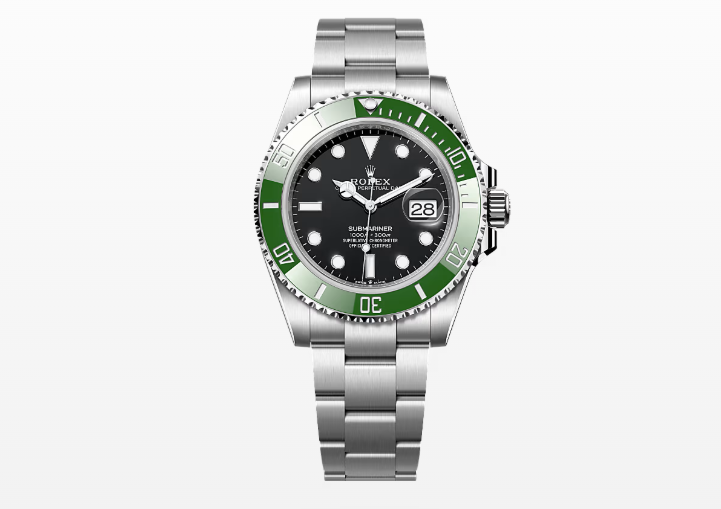
1. Rolex
Rolex sits at the front of most vintage collections like a king on a steady throne. Collectors prize models such as the Rolex Submariner, known for its rugged charm and history with divers, and the Rolex Daytona, made legendary by Paul Newman. These watches tend to appreciate because they are well-built, linked to cultural icons, and produced in limited early runs.
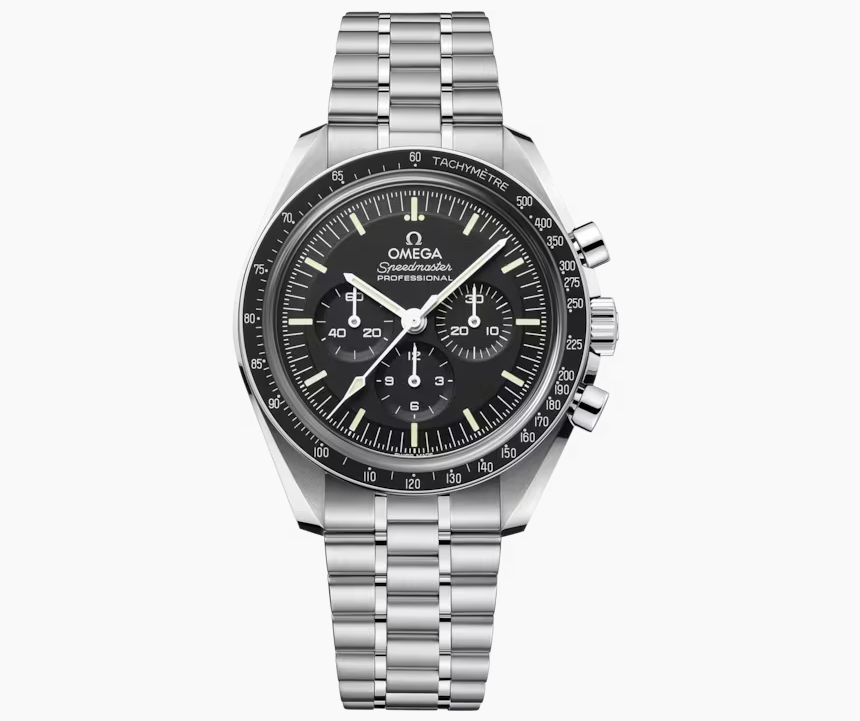
2. Omega
Omega is another powerhouse brand, tied closely to adventure and exploration. The Omega Speedmaster Professional became famous as the “Moonwatch,” worn during NASA’s Apollo missions. Its classic design and space history make it one of the most beloved vintage chronographs. The Omega Seamaster, with its clean aesthetic and reliable movement, also remains a top choice for collectors seeking understated elegance.
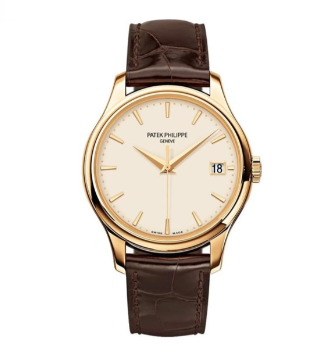
3. Patek Philippe
For those who admire refinement, Patek Philippe represents the height of watchmaking artistry. Models like the Patek Philippe Calatrava deliver pure sophistication through simple lines and impeccable hand-finishing. Meanwhile, vintage Nautilus models designed by Gérald Genta often command sky-high prices thanks to their unique shape and limited early availability.
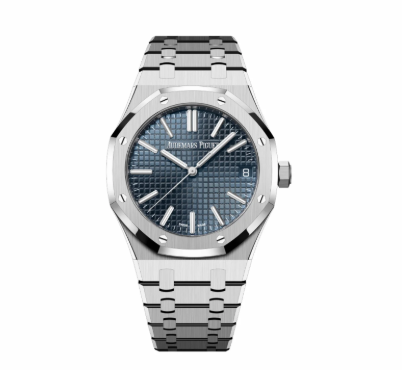
4. Audemars Piguet
Audemars Piguet breaks the mold with the Royal Oak, also created by Genta. Its bold octagonal bezel and integrated bracelet were radical in the seventies and remain striking today. Early Royal Oak models have become highly collectible due to their influence on modern sports watch design.
5. Longines
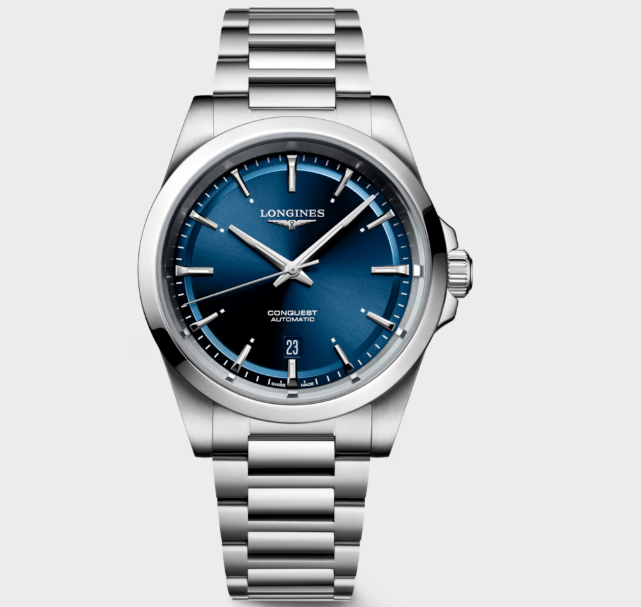
Longines offers elegance at a more approachable price. Many collectors seek out vintage Longines chronographs, admired for their smooth lines, balanced dials, and excellent movements. They strike a perfect balance between beauty and affordability.
6. Seiko
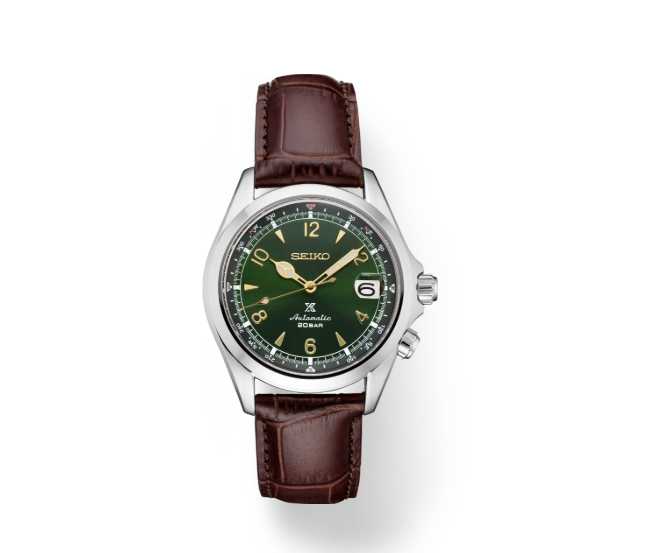
Seiko shows that vintage collecting is not only for luxury buyers. Models like the Seiko 6105 dive watch or the Seiko 6139 chronograph offer toughness, character, and real historical relevance. Seiko pioneered many technologies, and its early models shine with innovation.
7. Heuer
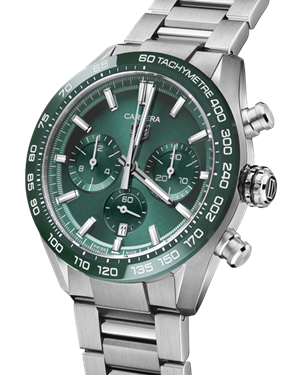
Before becoming TAG Heuer, the brand built some of the most iconic motorsport watches. The Heuer Carrera, Autavia, and Monaco remain favorites for collectors who love racing-inspired designs filled with bold edges and clear readability.
How to Authenticate Vintage Watches
Authenticating a vintage watch is a bit like reading a secret story written in metal, crystal, and time. Every piece carries clues, and the more you train your eye, the easier it becomes to separate true originals from clever replicas. Since vintage watches can be valuable and are often traded heavily, learning how to verify authenticity is one of the most critical skills for any collector.
Study the Brand’s History and Specifications
Each major brand has its own patterns, movement types, font styles, serial number placements, and case markings. Before buying, compare the watch against trusted references. Look at original catalogs, brand archives, and verified marketplace listings. When something feels off, treat it as a quiet alarm bell.
Examine the Dial Closely
The dial is one of the easiest parts to alter and also one of the easiest places to spot fakes. Check the spacing and shape of letters, the alignment of markers, the surface texture, and the lume color. Tropical dials, patina, or aging effects can be real, but they should look natural instead of forced or uneven.
Check Serial and Reference Numbers
Vintage watches display serial and reference numbers on the case or movement. These numbers should match known production ranges and be consistent with the year and model. If a watch has mismatched numbers or numbers that appear freshly engraved, be cautious.
Inspect the Movement
The movement is the beating heart of a watch, and authentic models have specific layouts, engravings, and craftsmanship signs. If possible, ask a professional watchmaker to open the case. A clean, correctly branded movement with the proper caliber is a strong sign of originality.
Review the Case and Components
Bezel type, crown shape, case material, and bracelet style matter. Many counterfeits get these details wrong. Cross-check each feature with photos of authentic historical examples. Also, keep an eye open for over-polishing, which can soften edges and reduce value.
Request Documentation When Possible
Original papers, service records, and boxes increase confidence and add collectible value. While not all vintage pieces come with full sets, any documentation helps confirm the watch’s journey.
Seek Trusted Sellers and Experts
When in doubt, rely on reputable dealers, certified watchmakers, or brand service centers. Professional authentication is always a smart step, especially for expensive models. Communities and forums can also provide insights from long-time collectors who know each model inside out.
Caring for and Maintaining Your Vintage Watch Collection
A vintage watch collection behaves a bit like a small library of ticking history. Each piece is a mechanical storyteller, and to keep those stories running smoothly, you need consistent care. Vintage watches aren’t fragile, but they do require respect, patience, and a few smart habits. Here’s how to keep your collection healthy for decades.
Give Your Watches Regular Servicing
Mechanical watches are machines with dozens or hundreds of tiny parts. Over time, oils dry out, gears wear down, and accuracy drifts. Most experts recommend a full service every 3 to 5 years. This includes disassembly, cleaning, lubrication, and testing.
Choose a watchmaker who understands vintage models, especially if your piece has rare parts. Avoid unnecessary polishing during service, because it can soften case lines and lower the watch’s value.
Store Your Watches With Care
Storage is just as necessary as servicing. Keep vintage watches in a dry, temperature-stable environment. Sudden jumps in humidity or heat can damage dials, lume, and movements. Use a dedicated watch box with soft interiors, or use individual pouches to prevent scratching. For automatic watches you wear often, a watch winder helps maintain power reserve, but it’s not essential for long-term health.
Protect Them From Water
Most vintage watches aren’t built for modern water exposure. Even models once advertised as “waterproof” often lose that resistance with age. Avoid swimming, showering, or washing dishes while wearing them. A splash or two is usually fine, but soaking is risky. If water ever appears under the crystal, have it serviced immediately to prevent rust.
Handle Them Mindfully
A little mindfulness goes a long way. When setting the time, move the hands forward rather than backward unless the model allows both directions. Avoid setting the date near midnight when gears are engaged. When winding manually, stop as soon as you feel resistance. Small habits like these can dramatically extend lifespan.
Watch Out for Magnetism
Modern life is filled with magnets, from laptop covers to phone cases. These can magnetize your watch’s balance spring, causing it to run fast. If a watch suddenly gains minutes per day, have it demagnetized. It’s a quick, simple fix.
Rotate Your Watches
Wearing the same vintage watch every day increases wear. Rotating your collection spreads usage across pieces, letting movements rest and oils settle. It also keeps your collection feeling fresh, giving each watch its moment to shine.
Keep Records
As your collection grows, maintain a simple notebook or digital log. Track serial numbers, purchase dates, service history, and condition notes. This helps preserve provenance and boosts resale value if you ever sell or trade.
Be Gentle With Cleaning
A microfiber cloth keeps cases and crystals free from fingerprints. Avoid harsh chemicals, ultrasonic cleaners, or soaking. For metal bracelets, use a light brush and warm water, but dry thoroughly and avoid getting water near the case of older pieces.
Resources for Vintage Watch Collectors
Think of the vintage watch world as a giant treasure map, with clues scattered across books, forums, auctions, museums, and trusted marketplaces. The deeper you explore, the sharper your collector’s instincts become. Whether you’re hunting rare chronographs, exploring military divers, or starting with accessible dress watches, the right resources help you avoid mistakes and discover hidden gems.
Online Communities and Forums
Enthusiast forums are the heartbeat of vintage watch culture. These spaces are filled with collectors who have spent years studying serial numbers, dial variations, and obscure production quirks.
Popular communities include:
Watchuseek
One of the largest global watch forums, great for beginners and intermediate collectors.
Omega Forums
A go-to spot for Speedmaster, Seamaster, and Constellation experts.
Rolex Forums
Deep dives into reference numbers, bezel types, patina discussions, and market insights.
Reddit r/Watches & r/Watchexchange
Casual but informative, with active discussions and real-world buying advice.
These spaces help you compare models, identify red flags, and understand fair pricing.
Auction Houses and Archives
Major auction houses often publish detailed catalogs that serve as educational references even if you don’t intend to bid.
Phillips
Known for high-end vintage pieces and record-breaking sales.
Christie’s and Sotheby’s
Offer auction archives where you can study past listings, prices, and watch condition notes.
These archives are invaluable for learning market trends, production years, and how certain models appreciate over time.
Books and Catalogs
Physical references give you stable, trustworthy information when the internet feels overwhelming.
Key titles include:
Moonwatch Only for Omega Speedmaster collectors
The Vintage Rolex Field Manual for understanding Rolex codes and variations
Chronographs for Collectors for mid-century chronograph lovers
For a brand-specific study, original dealer catalogs and brand history books help decode subtle differences across decades.
Certified Watchmakers and Restoration Experts
Nothing beats professional eyes. A trusted watchmaker can quickly identify replaced parts, verify movements, test accuracy, or spot a redial. If you’re building a serious collection, having one or two specialists you trust is essential. Their guidance can save you thousands of dollars and years of frustration.
Trusted Marketplaces
Safe purchasing sources are crucial. Many collectors start with verified marketplaces rather than random online listings. While your niche may include jewelry, custom pieces, or gemstone settings, platforms like https://www.tygems.net/ can provide broader insights into craftsmanship quality and help you connect with professionals in the high-end accessories world.
Additionally, for vintage watches, recommended buying sources include:
Chrono24 (with buyer protection)
Hodinkee Shop
Bob’s Watches (for Rolex)
Analog Shift
Brand-certified pre-owned programs
Each offers verification steps that reduce risk.
Museums and Exhibits
Museums housing horological collections help you see authentic vintage pieces in person. The Patek Philippe Museum in Geneva or the British Museum’s timekeeping exhibit are excellent examples. Seeing original designs with your own eyes trains your intuition like nothing else.
Understanding the Value of Vintage Watches
Understanding what gives a vintage watch its value is like learning to read a map where every scratch, serial number, dial variation, and production year tells part of the story. Value isn’t just about price. It’s a blend of rarity, condition, history, and emotional weight. Whether you’re buying your first piece or building a serious collection, knowing what truly drives worth helps you make smarter, more confident decisions.
Rarity and Production Numbers
The fewer pieces produced, the more likely a watch is to appreciate in value. Limited runs, discontinued models, or special editions often become collectible because demand remains high long after supply dries up. Some brands, such as Rolex and Patek Philippe, are known for tightly controlled production. This scarcity naturally increases long-term value.
Brand Reputation
Brand heritage plays a huge role. Collectors gravitate toward names with consistent craftsmanship and cultural impact. Rolex Submariners tied to early diving explorations, Omega Speedmasters worn in space, or Jaeger-LeCoultre Reversos linked to early polo players all carry cultural resonance. This history elevates desirability.
Condition and Originality
A watch in excellent condition with factory-original parts is usually worth more than one that has been heavily restored or modified. Collectors love pieces with original dials, hands, lume, bezels, and bracelets. Even honest patina can boost value if it has aged gracefully. Over-polished cases or replacement dials can significantly reduce a watch’s value.
Provenance and Documentation
A vintage watch with original box, papers, receipts, or service records often commands a premium. These documents act like a family tree, proving authenticity and ownership history. Watches once owned by notable individuals, or tied to historical events, can become exponentially more valuable.
Movement Quality and Complexity
Mechanical movements vary widely. High-grade calibers, chronometers, hand-finished bridges, or complications such as moon phases and chronographs add value. The more technically impressive a movement is, the more respect it earns in the collector world.
Market Trends and Cultural Impact
Collectors’ tastes shift over time. Oversized sports watches were the star of the 2010s, while smaller sizes and understated designs are trending again in the 2020s. Pop culture, movies, and celebrity influence also steer demand. A model worn in a blockbuster film can suddenly double in desirability.
Scarcity of Replacement Parts
Watches with hard-to-find spare parts, especially for old calibers, often rise in value because restoration becomes more challenging. Collectors appreciate models that retain serviceability or have long-term brand support.
Craftsmanship and Material Quality
Gold cases, enamel dials, hand-finished movements, and complex constructions naturally hold more value. Even simple stainless-steel watches can be incredibly valuable if the craftsmanship is exceptional, like early steel Patek Philippes or military-issued chronographs.
Emotional and Aesthetic Appeal
Sometimes value transcends logic. A watch may become beloved for its design, quirks, or personal storytelling. That emotional pull can influence buyer decisions just as strongly as specs or rarity.
Conclusion: Starting Your Vintage Watch Collection
Collecting vintage watches is more than a hobby — it’s a journey into history, craftsmanship, and personal style. Each timepiece carries stories from its era, showcasing the evolution of design, technology, and horological artistry. Starting your collection requires a blend of passion, patience, and knowledge. Still, the rewards are invaluable: owning a tangible piece of history that can appreciate over time and become a meaningful part of your personal legacy.
When beginning your collection, start with watches that resonate with you on both aesthetic and historical levels. Don’t feel pressured to chase trends — vintage collecting is deeply personal. Focus on brands, models, and styles that reflect your taste, whether it’s a classic Omega Speedmaster, a Rolex Submariner, or a lesser-known independent brand.
Authentication and maintenance are crucial. Ensure each watch comes with verified documentation or expert evaluation. Regular servicing preserves both functionality and value, while proper storage prevents damage to delicate mechanical movements. Pairing vintage watches with high-quality accessories, such as handcrafted jewelry or straps, can enhance their appeal. Tianyu Gems offers expertly crafted gemstone accessories that perfectly complement vintage timepieces.
Finally, immerse yourself in the community. Forums, collector clubs, and trusted marketplaces provide invaluable insights, networking, and sourcing opportunities. By learning from experienced collectors, you’ll navigate pitfalls, discover hidden gems, and build a collection that truly reflects your vision.
Starting a vintage watch collection is not just about acquiring watches — it’s about cultivating a story, preserving history, and celebrating artistry. With careful planning and an appreciation for craftsmanship, your collection can become a lifelong passion that offers both aesthetic pleasure and potential investment value.
FAQs
Q1: How can I tell if a vintage watch is authentic?
Check the movement, serial numbers, and engravings. Compare to verified references, and consult experts if needed. Original papers add credibility.
Q2: How often should I service a vintage watch?
Mechanical watches should be serviced every 3–5 years to ensure accuracy and longevity. Avoid water exposure unless the product is rated for it.
Q3: Can I wear my vintage watch daily?
Yes, with proper care and regular servicing. Be mindful of shocks, moisture, and magnetic fields, which can damage older movements.
Q4: What is the best way to store vintage watches?
Use padded watch boxes, store them in a dry environment, and avoid direct sunlight. Consider winding machines for automatic watches to maintain movement health.
Q5: Are vintage watches a good investment?
Many vintage watches appreciate over time due to rarity, historical significance, and brand reputation: research trends, condition, and provenance to make informed investment choices.
