Tianyu Gems-focusing on jewelry production for over 25 years, the custom jewelry manufacturers/experts around you
Language
Tianyu Gems-focusing on jewelry production for over 25 years, the custom jewelry manufacturers/experts around you
Turquoise, with its radiant hues reminiscent of tropical waters, is more than just a color; it's a mood, a vibe, and a lifestyle. Whether you're looking to invigorate your home decor, elevate your wardrobe, or add a splash of cheer to your everyday essentials, embracing this vibrant shade can breathe new life into any space. Imagine the calming embrace of turquoise in your living room or the confidence boost from a striking turquoise accessory. Deeply cherished for its captivating hue and rich history, turquoise stone has long been shrouded in mystique. Often associated with protection and healing, this gemstone is more than just a stunning adornment; it carries stories that transcend time and culture. Whether it graces ancient artifacts or modern jewelry, turquoise has fascinated humanity for centuries. But beyond its aesthetic appeal, there lies a myriad of intriguing facts that few know. From its geological origins to its significance in various cultures, these insights highlight why turquoise continues to be a symbol of beauty and strength. Join us as we unlock the mystique surrounding this timeless stone and discover ten fascinating facts about turquoise that you undoubtedly didn’t know! Get ready to dive into the world of one of Earth’s most treasured gems.
The Allure of Turquoise: A Brief History
Few gemstones have captured the human imagination quite like turquoise. Known for its vibrant blue-green hue, this stone has been cherished for thousands of years by cultures across the globe. From the royal tombs of ancient Egypt to Native American jewelry traditions, turquoise has symbolized protection, wisdom, and good fortune.
Archaeological evidence shows that turquoise was mined as early as 3000 BCE in the Sinai Peninsula, where Egyptians used it to craft jewelry and ceremonial items. Meanwhile, Persians prized turquoise for its sky-blue color, believing it could protect them from evil. Even today, Persian turquoise remains one of the most sought-after varieties due to its intense, robin’s-egg hue.
In the Americas, turquoise holds deep spiritual significance. The Navajo, Zuni, and Hopi tribes incorporated it into jewelry, weapons, and art, believing it connected the earth and sky. Turquoise also became a symbol of friendship and positive energy — a belief that still endures today.
Modern gemstone enthusiasts admire turquoise not only for its rich cultural history but also for its versatility. Whether set in a minimalist silver band or combined with other vibrant gemstones like green gemstones or purple gemstones, turquoise effortlessly bridges tradition and modern design.
According to jewelry industry reports from 2025, demand for turquoise jewelry has grown by 18% in the past two years, largely due to the rising popularity of bohemian and southwestern styles in global fashion. Gemstone expert Dr. Amelia Vaughn, author of Color and Culture in Gemstones, notes:
“Turquoise represents more than color — it’s an emotion. Its calming hue resonates with modern consumers seeking balance, creativity, and authenticity.”
For high-end handcrafted turquoise pieces, brands like Wuzhou Tianyu Gems Co., Ltd. are blending age-old artistry with precision cutting to bring out the stone’s natural vibrancy. This combination of heritage and innovation continues to keep turquoise at the forefront of modern gemstone trends.
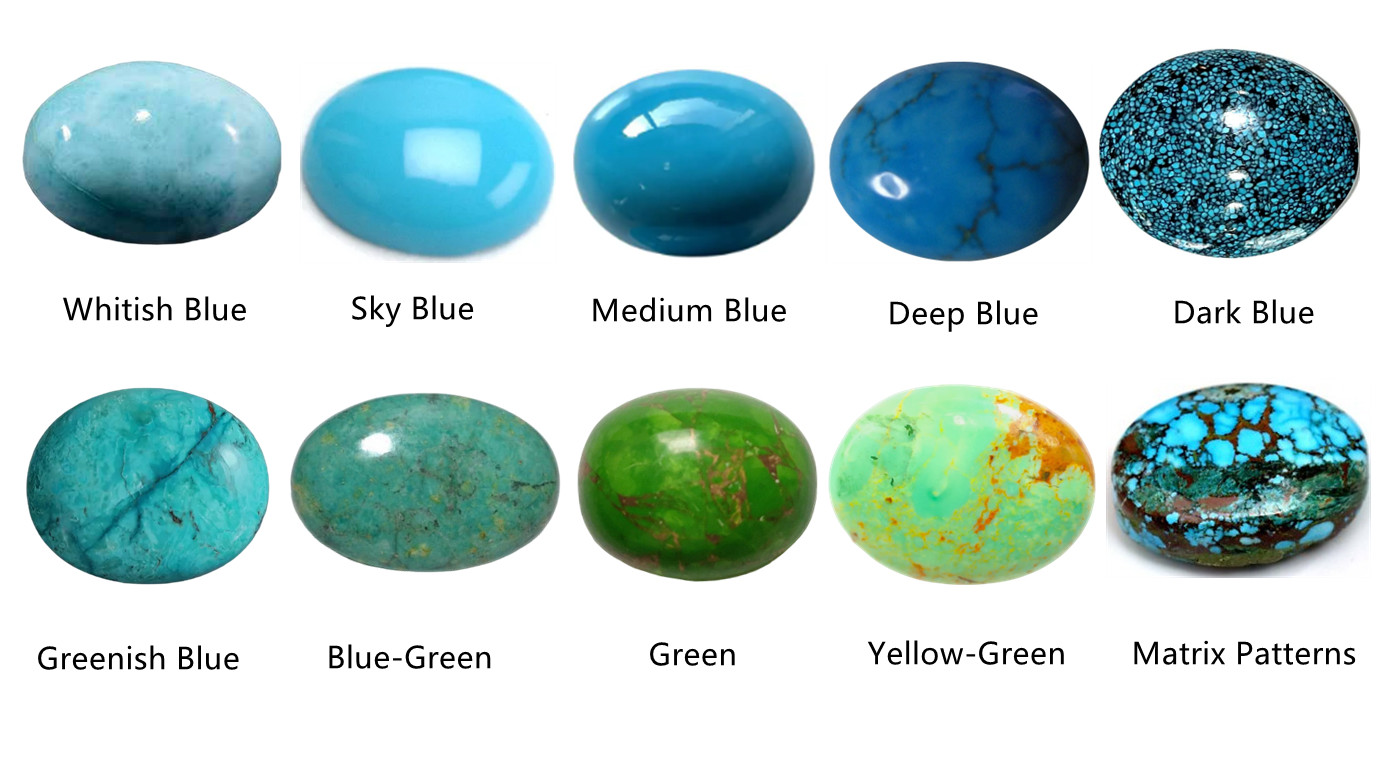
8 Popular Turquoise Colors
One of the most captivating qualities of turquoise is its incredible range of colors. While most people think of turquoise as a single shade of blue-green, it actually spans a stunning spectrum — from soft sky blue to deep teal and greenish-blue hues. These variations are caused by different levels of copper and iron within the stone’s composition.
1. Sky Blue (Persian Turquoise)
This is the most famous and valuable shade of turquoise — a pure, vibrant blue with no visible green or brown matrix. Often referred to as “robin’s-egg blue,” it represents clarity, purity, and calmness, making it the most classic choice among fine jewelry collectors.
Formation Cause:
The brilliant sky-blue hue results from a high copper content within the mineral composition, with minimal iron and zinc impurities. Copper is the key element responsible for the intense blue tone, while the absence of iron prevents the color from shifting toward green.
Origin:
The finest examples of this color historically come from Iran’s Nishapur mines, known as Persian Turquoise, prized for their pure, matrix-free blue stones. Other notable sources include Sleeping Beauty Mine (Arizona, USA), Egypt’s Sinai Peninsula, and certain Tibetan deposits, all of which produce similar high-grade sky-blue turquoise.
2. Medium Blue (American Turquoise)
This shade displays a balanced, medium-toned blue — deeper than sky blue but not as dark as navy. It often retains a gentle vibrancy and may include subtle veining or spiderweb matrix, adding natural character. This color is widely appreciated for its harmony between brightness and depth, making it versatile for both traditional and contemporary jewelry designs.
Formation Cause:
Medium-blue turquoise forms when copper remains the dominant chromophore, but slightly higher iron or aluminum impurities are present compared to pure sky-blue varieties. These minor variations reduce the intensity of blue, producing a richer, more moderate tone that can include natural matrix patterns from the host rock.
Origin:
This hue is most famously associated with American mines, particularly the Sleeping Beauty (Arizona), Kingman (Arizona), and Blue Gem (Nevada) mines. These sources are known for producing medium-blue turquoise with beautiful webbing or flecks that enhance its natural charm.
3. Deep / Dark Blue (Morenci Turquoise)
This variety showcases an intense, rich blue that can appear almost indigo under certain lighting. It’s deeper than the classic sky-blue shade and often features striking metallic or black matrix patterns that create a dramatic contrast. Collectors value this color for its bold, luxurious appearance and strong visual depth.
Formation Cause:
The dark-blue hue forms when copper concentration is very high, sometimes accompanied by trace amounts of iron sulfides (like pyrite) or other metallic minerals. These inclusions enhance both the saturation and the visual contrast within the stone. The presence of these elements during mineralization deepens the color while creating natural veins or metallic flecks within the turquoise.
Origin:
One of the most famous sources of deep blue turquoise is the Morenci Mine in Arizona, USA, celebrated for its dark, intense blue stones with pyrite or silvery matrix. Other notable deposits producing similar tones include Bisbee (Arizona) and Lander Blue (Nevada), both highly prized for their rich coloration and rarity.
4. Blue-Green (Tibetan Turquoise)
This turquoise shade lies beautifully between blue and green, displaying a harmonious blend of the two colors. The tone can range from a cool aqua to a deeper teal, often featuring dark or brown spiderweb matrix lines that enhance its earthy, organic charm. Blue-green turquoise is deeply symbolic in many Asian cultures, representing balance, spiritual protection, and vitality.
Formation Cause:
The blue-green hue occurs when iron impurities partially replace copper in the mineral structure. While copper produces a blue color, iron contributes a yellowish tint — resulting in the distinctive greenish cast. The balance between these two elements determines whether the turquoise leans more blue or green. Environmental conditions, such as water chemistry and oxidation levels during formation, also influence the exact tone.
Origin:
This color is most famously associated with Tibetan Turquoise, found in deposits across China’s Hubei Province and the Himalayan region of Tibet. These stones often feature beautiful matrix webbing and a waxy polish, making them highly valued in Tibetan and Nepalese jewelry. Other sources include China (Hubei and Yungai Mines) and Mexico, which also produce vibrant blue-green specimens.
5. Green Turquoise (Carico Lake Turquoise)
Green turquoise showcases a lively, refreshing range of hues — from soft mint to vivid apple green. Unlike the classic blue varieties, green turquoise carries a distinctly earthy and organic appeal, often accompanied by light brown or golden matrix patterns. It is admired for its natural warmth and unique individuality, making it popular in bohemian and artisanal jewelry.
Formation Cause:
The green coloration arises when iron replaces copper as the primary chromophore in the mineral composition. Iron contributes yellowish tones, blending with the blue produced by copper to form varying shades of green. Additionally, zinc or dehydration over time can enhance the green hue, while a lower copper content diminishes the blue intensity. This chemical variation is why green turquoise often forms in drier or more oxidized geological environments.
Origin:
The most renowned source of this color is the Carico Lake Mine in Nevada, USA, known for producing vibrant lime and apple-green turquoise that is highly collectible. Other notable sources include Royston Mine (Nevada) and Damale Mine (Nevada), which yield stones with golden or brown webbing and a soft, mossy-green hue.
6. Yellow-Green (Lemon Turquoise)
Yellow-green turquoise displays a soft, citrus-like hue that ranges from pale lemon to chartreuse. This shade is less common than blue or green varieties and is appreciated for its bright, cheerful appearance. It’s often used in contemporary jewelry designs to add a lively, sunny accent and is associated with energy, creativity, and optimism.
Formation Cause:
The yellow-green color develops when iron and zinc impurities partially replace copper in the turquoise crystal structure. Copper provides the underlying blue, while iron and zinc contribute yellowish tones, producing the characteristic lemon-green shade. Environmental factors, such as the degree of oxidation and mineral-rich groundwater during formation, further influence the exact color intensity.
Origin:
This rare hue is most often sourced from Nevada, USA, particularly from mines like Royston and Carico Lake, where mineral variations create natural yellow-green turquoise. Some stones are also found in China’s Hubei Province, though in smaller quantities. These stones frequently show subtle matrix patterns that enhance their visual appeal.
7. Pale / Whitish Blue Turquoise
Pale or whitish blue turquoise features a soft, delicate color ranging from nearly white to a very light sky-blue. This subtle shade exudes a gentle, understated elegance, making it ideal for minimalist or refined jewelry designs. It symbolizes tranquility, serenity, and simplicity, often appealing to those who prefer muted, calming tones.
Formation Cause:
The pale blue coloration results from a very low copper content, which reduces the intensity of the typical blue color. The presence of higher amounts of aluminum, calcium, or silica can further dilute the hue, creating near-white or very light blue stones. Such stones may also be partially oxidized or hydrated, contributing to their soft pastel appearance.
Origin:
Pale blue turquoise is commonly sourced from China (Hubei Province) and Nevada, USA, including smaller deposits in Arizona. These stones sometimes exhibit light gray or beige matrix patterns, adding natural texture without overwhelming the subtle color.
8. Matrix Patterns in Turquoise
The matrix refers to the natural veining or web-like patterns seen on turquoise, created by the host rock or other mineral inclusions. Matrix patterns are highly valued in some cases because they make each stone unique, while in other cases, collectors prefer “clean” stones with minimal matrix. The color and style of the matrix can dramatically change the appearance and value of turquoise.
Common Matrix Types
Matrix Type | Description | Typical Appearance | Origin Examples |
Spiderweb / Webbed Matrix | Thin, intricate lines resembling a spiderweb | Black, dark brown, or gray lines forming a delicate network | Kingman (Arizona, USA), Royston (Nevada, USA) |
Patchy / Cloudy Matrix | Irregular patches or blotches | Light brown, tan, or dark greenish spots scattered across the stone | Carico Lake (Nevada, USA), Hubei (China) |
Vein / Ribbon Matrix | Continuous or linear streaks | Thin lines or ribbons, often darker than the turquoise body | Bisbee (Arizona, USA), Morenci (Arizona, USA) |
Metallic / Pyrite Inclusions | Shiny metallic flecks within the turquoise | Golden, silvery, or bronze-like specks | Morenci (Arizona, USA), Bisbee (Arizona, USA) |
Host Rock Matrix | Embedded remnants of surrounding rock | Gray, brown, or black rock fragments | Various American and Chinese mines |
Healing Properties and Benefits of Turquoise
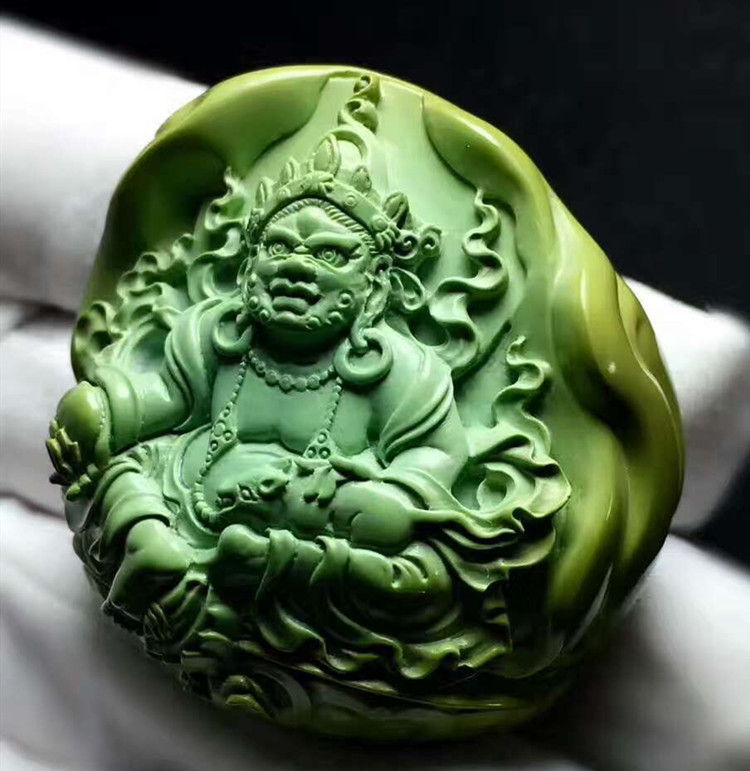
Turquoise has long been treasured not only for its captivating beauty but also for its reputed healing and spiritual powers. Across ancient civilizations — from Egypt and Persia to Tibet and Native American cultures — turquoise has symbolized protection, vitality, and spiritual balance.
Physical Healing Properties:
In crystal healing traditions, turquoise is said to have detoxifying and anti-inflammatory effects, helping to purify the body and strengthen the immune system. It is often associated with enhancing respiratory health, improving circulation, and alleviating ailments of the throat and lungs. Many holistic practitioners believe that turquoise can help balance bodily fluids and stabilize mood swings, contributing to overall physical harmony.
Emotional and Mental Benefits:
Turquoise is thought to bring emotional stability, peace, and self-acceptance. It’s often used to reduce stress, anxiety, and exhaustion, promoting a calm and centered state of mind. Spiritually, turquoise connects the heart and throat chakras, encouraging open communication and honest expression. For this reason, it’s often called the “Stone of Communication”, believed to help people articulate their truth with confidence and compassion.
Spiritual Significance:
Throughout history, turquoise has been viewed as a protective talisman against negative energies and misfortune. It’s said to align the energy centers of the body (chakras), particularly the throat chakra, supporting clarity in speech and thought. Many cultures believe turquoise strengthens the connection between the physical and spiritual realms, fostering intuition and inner wisdom.
Though modern science has not confirmed these metaphysical properties, the enduring belief in turquoise’s healing, balancing, and protective energy continues to make it one of the world’s most beloved and spiritually meaningful gemstones.
How to Identify Genuine Turquoise
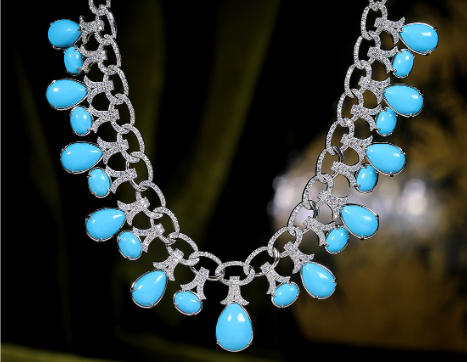
Because turquoise is one of the most popular and widely imitated gemstones, distinguishing authentic turquoise from dyed or synthetic substitutes is essential for jewelers, collectors, and gemstone enthusiasts. True turquoise has unique natural characteristics — both visually and physically — that set it apart from imitations such as dyed howlite, magnesite, or resin composites.
1. Examine the Color and Surface
Natural turquoise shows a range of hues — from pale sky blue to greenish-blue — with slight color variations and natural imperfections.
Imitations (like dyed howlite or plastic) often have overly uniform, bright, or unnatural colors.
Look closely for uneven tones, subtle mottling, or matrix patterns (brown, black, or gray veins). Genuine turquoise’s color rarely looks flat or artificial.
2. Check the Matrix Pattern
Authentic turquoise often contains matrix, which is the veining or webbing from its host rock.
Real matrix lines are irregular and naturally integrated into the stone.
In fake turquoise, matrix lines may look painted on, overly symmetrical, or sit on the surface rather than within the stone.
3. Perform a Scratch or Hardness Test
Genuine turquoise ranks 5–6 on the Mohs hardness scale. It feels solid and resists scratching with a fingernail.
Howlite and magnesite are softer (3.5–4.5) and can be easily scratched.
Be cautious with testing — scratching can damage jewelry; instead, rely on professional gem testing when possible.
4. Observe Under Magnification
Using a 10× jeweler’s loupe, you’ll notice that real turquoise has:
A waxy or matte surface luster (not glassy).
Tiny pits or uneven texture — signs of natural formation.
Under magnification, dyed stones often show dye concentrated in cracks or grainy coloration rather than a solid, consistent mineral structure.
5. Acetone or Alcohol Test (for dyed stones)
Lightly rub a hidden area with a cotton swab dipped in acetone or rubbing alcohol.
If blue or green color transfers onto the cotton, it’s likely dyed howlite or resin, not genuine turquoise.
(Avoid performing this test on finished jewelry as it may damage surface treatments.)
6. Check the Price and Source
Authentic, untreated turquoise — especially high-grade stones like Persian, Sleeping Beauty, or Bisbee turquoise — is relatively expensive.
If the price seems too low for a vividly colored “turquoise,” it’s likely dyed, stabilized, or synthetic.
Always buy from reputable dealers who can provide origin and treatment certificates.
7. Professional Verification
For certainty, have your gemstone tested by a certified gemological laboratory such as GIA (Gemological Institute of America) or IGI (International Gemological Institute). Advanced analysis can confirm authenticity, treatment type, and even the origin of the turquoise.
Summary:
Test Aspect | Genuine Turquoise | Fake or Treated Stone |
Color | Natural variation, soft tones | Uniform, overly bright |
Matrix | Irregular, natural veins | Painted or printed |
Hardness | 5–6 Mohs | 3–4 Mohs |
Luster | Waxy to matte | Glossy or plastic-like |
Dye Test | No color loss | Color rubs off |
Price | Moderate to high | Suspiciously cheap |
Caring for Your Turquoise Stone
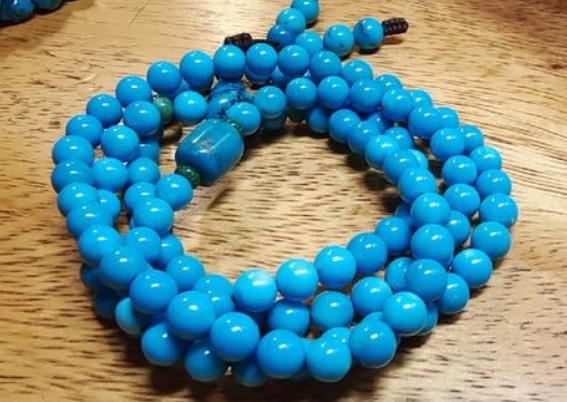
Proper care is essential to preserve the natural beauty and longevity of turquoise, as it is a relatively soft and porous gemstone. One of the most important care tips is to protect turquoise from chemicals, which can damage its surface or cause color fading. Avoid contact with perfumes, lotions, and household cleaners, and always remove turquoise jewelry before swimming or bathing—especially in chlorinated or salt water.
Proper storage also helps maintain the stone’s luster. Keep your turquoise pieces in a soft pouch or a fabric-lined jewelry box to prevent scratches. Because turquoise can dry out and become brittle, it should be stored away from direct sunlight and heat sources. It’s also best to keep turquoise separate from harder gemstones like diamonds or sapphires that could scratch its surface.
When it comes to cleaning turquoise, a gentle touch is key. Wipe the gemstone with a soft, slightly damp cloth to remove oils or dirt buildup. Avoid ultrasonic cleaners, steamers, or any harsh cleaning agents, as these can damage the stone’s surface. For deeper cleaning or restoration, consult a professional jeweler experienced with natural turquoise.
With proper care and handling, turquoise can maintain its radiant color and smooth texture for generations—continuing to serve as a timeless treasure in your jewelry collection.
Conclusion: The Timeless Allure of Turquoise
Turquoise continues to captivate and inspire with its rich history, diverse cultural significance, and stunning natural beauty. From ancient civilizations to modern-day jewelry enthusiasts, the stone's allure remains undiminished. Its vibrant hues and intricate matrix patterns tell a story of geological wonder, while its various cultural associations imbue it with profound meaning and mystique. Whether appreciated for its aesthetic appeal or its purported healing properties, turquoise holds a special place in the hearts of many.
The journey of exploring turquoise reveals a gemstone of incredible diversity and depth. Each piece of turquoise is unique, offering a glimpse into the earth's natural artistry. The stone's ability to transcend time and culture speaks to its enduring significance and the universal appeal of its beauty. For those who cherish gemstones, turquoise offers a timeless connection to the past and a source of inspiration for the future.
In caring for and wearing turquoise, we honor its legacy and ensure that its beauty can be appreciated for generations to come. This timeless stone, with its rich tapestry of history and meaning, continues to be a symbol of beauty, strength, and resilience. As we unlock the mystique of turquoise, we discover not just a gemstone, but a treasure that embodies the wonders of the natural world and the creativity of human craftsmanship.
Leave A Message
The first thing we do is meet with our clients and talk through their goals for a future project.
During this meeting, feel free to communicate your ideas and ask lots of questions.
Wuzhou Tianyu Gems Co., Ltd located in the world renowned artificial gem city--Wuzhou, Guangxi, was founded in 2001. We are a professional high-end gem processing and custom jewelry manufacturer.
We specialized in solid gold, 925 sterling silver fine jewelry, 24K pure gold jewelry, Lab grown diamond, moissanite, synthetic emerald, lab grown gemstone etc.
Contact Us
 Tel/WhatsApp: +86 13481477286
 E-mail: tianyu@tygems.net
 Add: No.69 Xihuan Road Wan Xiu District, Guangxi Zhuang Autonomous Region,China
Copyright ©2026 Wuzhou Tianyu Gems Co., Ltd - All Rights Reserved.