



The Ultimate Guide to Birthstones: Discover Your Perfect Gemstone Match!
What is a Birthstone?
A birthstone is a gemstone that corresponds to the month in which a person is born. This tradition dates back thousands of years and is often associated with specific qualities or powers that each stone is believed to bring to the wearer. Each month of the year has its own designated gemstone, and many cultures, including ancient civilizations like the Egyptians and Greeks, thought these stones held mystical or protective properties. Today, birthstones are commonly used in jewelry, such as rings and necklaces, to add a personal touch. They’re also considered meaningful gifts that symbolize the wearer’s personality traits, luck, or even health benefits. For example, the ruby (July) is thought to bring passion and love, while the sapphire (September) symbolizes wisdom and loyalty. Whether for aesthetic reasons or symbolic significance, birthstones remain a cherished tradition around the world.
History and Significance of Birthstones
The concept of birthstones dates back to ancient civilizations, with roots in the biblical era. The Book of Exodus mentions the Breastplate of Aaron, a religious garment adorned with twelve stones representing the twelve tribes of Israel. This connection laid the foundation for the belief that gemstones hold unique powers and significance, often tied to the months of the year. Throughout history, these gems evolved into symbols of protection, luck, and personal identity, making them cherished items for various cultures.
As time progressed, the tradition of assigning specific stones each month became more widespread. In the 18th century, jewelers began standardizing birthstones based on the month's astrological sign. The modern list, recognized today, features a unique gemstone for each month, often associated with certain attributes and virtues. This evolution reflects the cultural significance of gemstones and how they resonate with individual personalities, desires, and life experiences.
In addition to their aesthetic appeal, birthstones have been believed to possess healing properties. Historically, People have worn them to protect against negative energies, enhance luck, and promote emotional balance. This intertwining of beauty and symbolism continues to attract individuals seeking a deeper connection with their birthstones, making them not just accessories but also meaningful talismans that accompany life's journey.
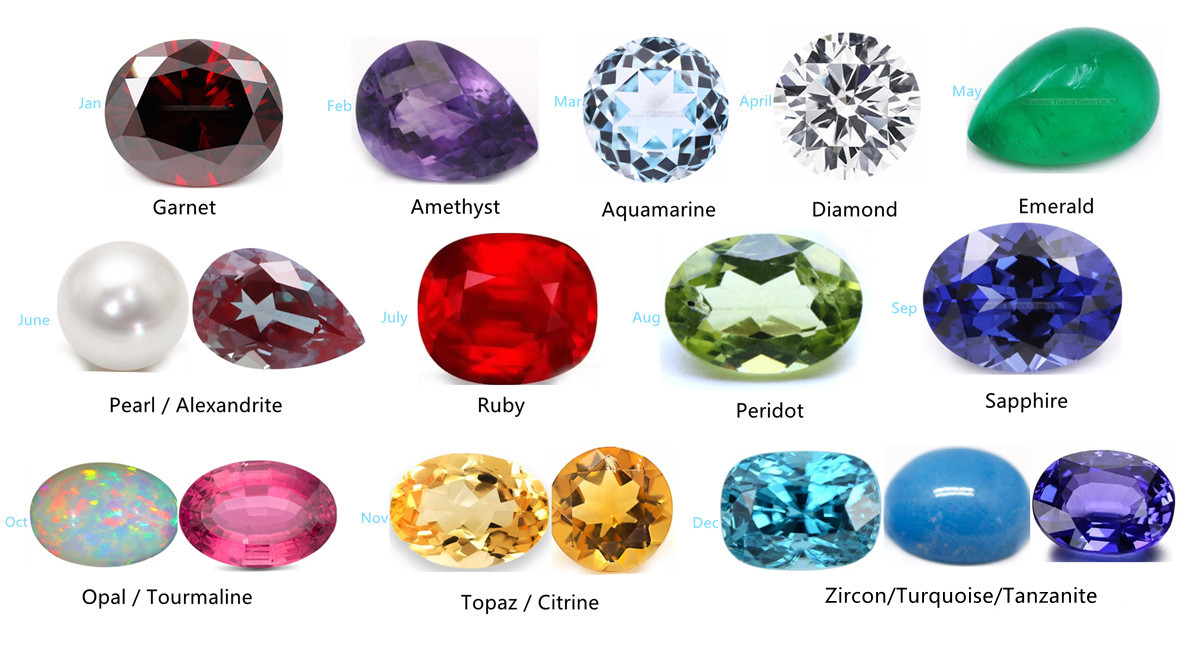
List of Birthstones by Month
Understanding the array of birthstones available can help you connect with the right gem that resonates with you. Here is a comprehensive list of birthstones by month, showcasing the unique gems that correspond to each period of the year:
Month | Birthstone | Color | Symbolism | Average Price (per carat) | Rarity |
January | Garnet | Red | Protection, Strength | $300 | Common |
February | Amethyst | Purple | Clarity, Peace | $150 | Common |
March | Blue | Serenity, Calm | $500 | Moderate | |
April | Diamond | Colorless | Purity, Strength | $5,000 | Rare |
May | Emerald | Green | Rebirth, Love | $1,200 | Rare |
June | Pearl / Alexandrite | White/color change | Wisdom, Purity | $200 | Common |
July | Ruby | Red | Passion, Love | $1,000 | Rare |
August | Peridot | Green | Prosperity, Strength | $400 | Moderate |
September | Sapphire | Blue | Wisdom, Loyalty | $1,500 | Rare |
October | Opal / Tourmaline | Multi-colored | Creativity, Hope | $600 | Rare |
November | Topaz / Citrine | Yellow | Strength, Energy | $200 | Moderate |
December | Tanzanite / Turquoise / Zircon | Blue/Green | Healing, Protection | $500 | Common |
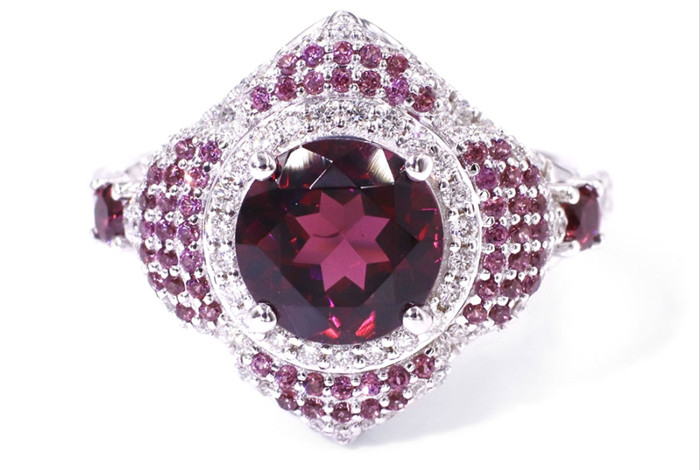
January: Garnet - A deep red stone symbolizing love and passion.
Description: Garnet, a rich red gemstone, symbolizes love, passion, and commitment. Its deep color is often associated with the fire of life and vitality.
Value: Garnet is beautiful and affordable, with various varieties available in different colors, although the red version is the most well-known.
Origin: Primarily sourced from countries like India, Madagascar, and Africa, garnets have been treasured for centuries.
Symbolism: Known for its grounding energy, garnet is thought to inspire emotional balance, courage, and loyalty. It's often linked with protection, especially when worn during travel.
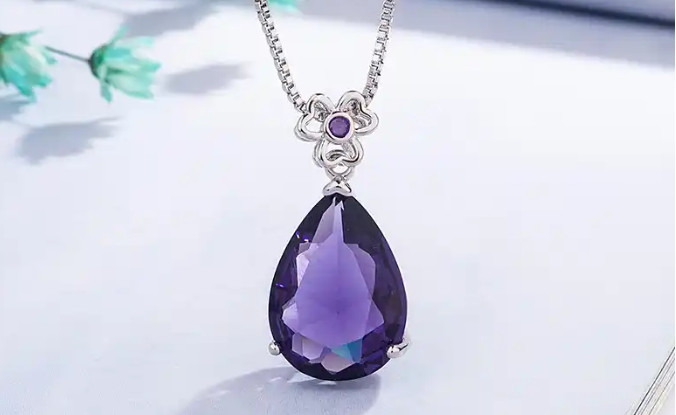
February: Amethyst - A purple gem associated with peace and clarity.
Description: Amethyst is a stunning purple gemstone known for its calming and tranquil energy. It ranges from light lavender to a deep, royal purple.
Value: Historically, amethyst was considered as valuable as diamonds, though it is now more affordable.
Origin: The finest amethysts are from Brazil, Uruguay, and Zambia.
Symbolism: Amethyst is associated with peace, clarity, and spiritual growth. It provides mental clarity, protects from negative energies, and promotes inner peace.
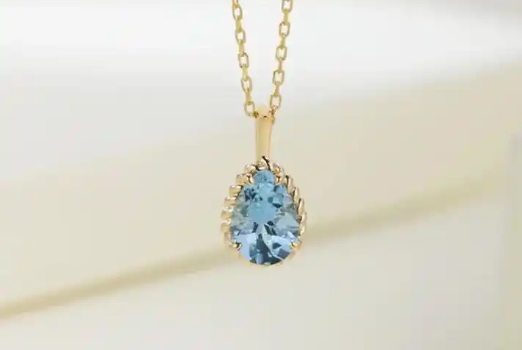
March: Aquamarine - A soothing blue stone representing tranquility and protection.
Description: Aquamarine is an extraordinary blue-green gemstone that evokes the calmness of the ocean. Its transparent, refreshing hue brings to mind serene waters and peaceful environments.
Value: Aquamarine is moderately priced, with the finest stones exhibiting a vibrant, ocean-like blue.
Origin: Mined from locations like Brazil, Madagascar, and Zambia, aquamarine has been highly prized for its beauty.
Symbolism: Known for its calming influence, aquamarine is believed to offer protection during travel and foster harmony and peace. It is also said to enhance communication and creativity.
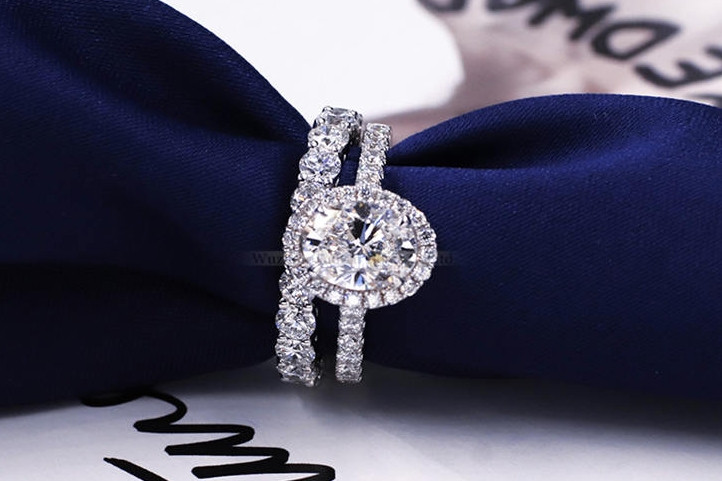
April: Diamond - The ultimate symbol of strength and eternal love.
Description: The most iconic gemstone, diamonds symbolize strength, eternal love, and invincibility. Available in various colors, white diamonds are the most traditional.
Value: Diamonds are among the most expensive gemstones due to their rarity, brilliance, and demand.
Origin: Diamonds are mined in South Africa, Russia, and Canada.
Symbolism: Often associated with love, diamonds are thought to symbolize purity, endurance, and strength. They are the ultimate representation of everlasting bonds and are especially popular for engagement rings.
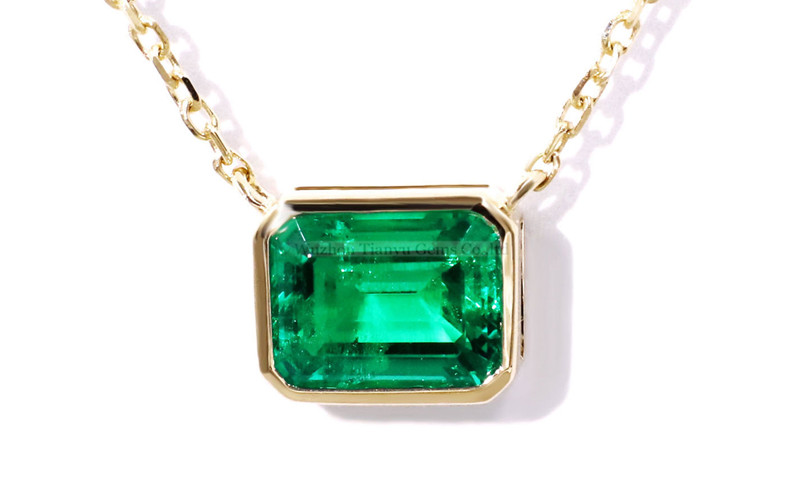
May: Emerald - A vibrant green gem that embodies harmony and growth.
Description: Emeralds are known for their rich, green hue, symbolizing growth, renewal, and harmony. The color green in this gemstone is linked to fertility, vitality, and the natural world.
Value: Emeralds can be quite valuable, especially those with a deep, vivid green color. High-quality emeralds with minimal inclusions are highly sought after.
Origin: The finest emeralds are primarily sourced from Colombia, although other regions, such as Zambia, produce high-quality stones.
Symbolism: Associated with rebirth and love, emeralds are said to promote healing, enhance intelligence, and strengthen relationships.
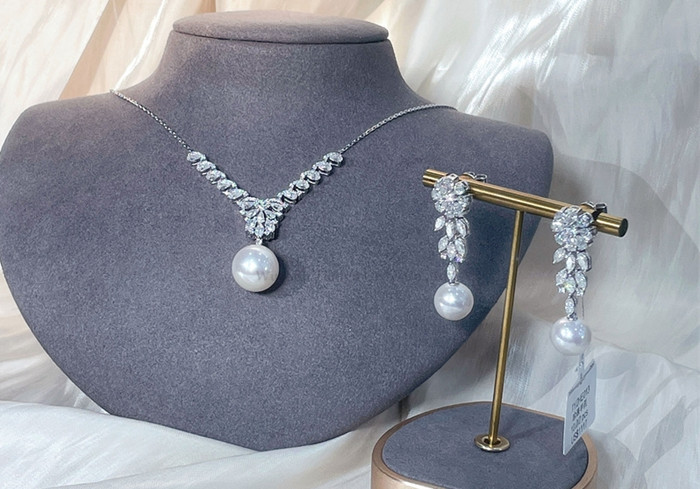
June: Pearl - A unique gem symbolizing purity and wisdom, often associated with femininity.
Description: Pearls are unique, organic gemstones that form inside mollusks. Known for their soft luster and classic beauty, they come in various shades, including white, cream, and black.
Value: Pearls can range in price from affordable to very expensive, depending on their size, color, and quality.
Origin: Freshwater pearls are primarily farmed in China, while saltwater pearls are cultivated in Japan, Tahiti, and Australia.
Symbolism: Symbolizing purity, wisdom, and femininity, pearls are considered timeless treasures. They are believed to promote emotional balance and inner peace.
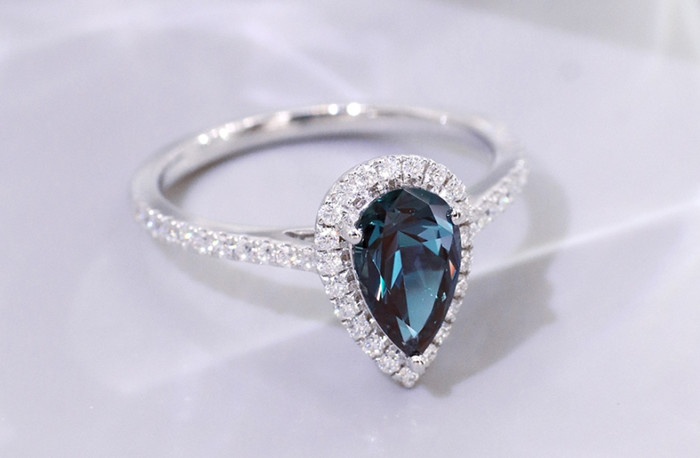
Alexandrite: Stands for good luck and prosperity, with its color-changing charm.
Description:
Alexandrite is a unique and rare gemstone famous for its remarkable color-changing properties. In daylight, it appears as a green or bluish-green stone, while it transforms into a rich red or purplish-red hue under incandescent light. This striking color shift makes alexandrite one of the world's most prized and captivating gemstones.
Value:
Due to its rarity and mesmerizing color-changing effect, alexandrite is considered one of the most valuable gemstones. High-quality stones with vivid color changes are particularly expensive. It is generally rarer than diamonds and can be more costly, especially when the gem is large or has a perfect cut. Because of its scarcity, natural alexandrite is highly sought after by collectors and jewelers.
Origin:
Alexandrite was first discovered in the Ural Mountains of Russia in the 1830s, so it was named after Tsar Alexander II of Russia. Today, alexandrite can be found in several parts of the world, including Brazil, Sri Lanka, Zimbabwe, and Myanmar, though Russian deposits are still highly prized for their color-changing properties.
Symbolism:
Alexandrite is often associated with balance, transformation, and adaptability due to its ability to change colors based on lighting. It also represents fortune, prosperity, creativity, and confidence. Some believe that alexandrite promotes self-esteem, self-discipline, and adjusting to life’s challenges.
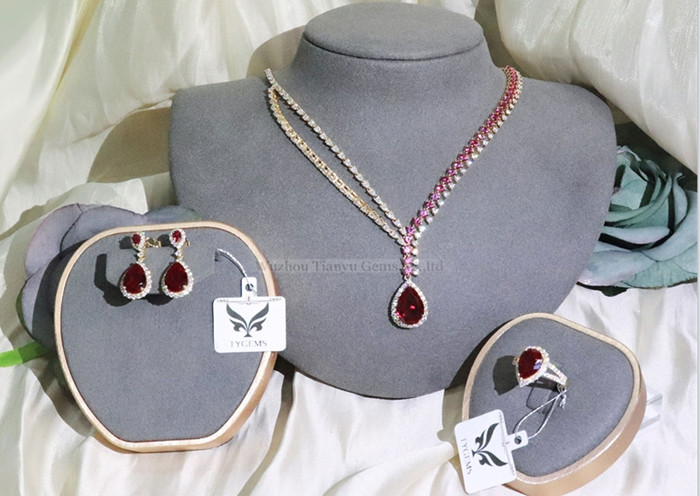
July: Ruby - A striking red stone known for its association with vitality and courage.
Description: Known for its vibrant red color, ruby is a gemstone that symbolizes vitality, passion, and courage. It is one of the hardest stones after diamonds.
Value: High-quality rubies can be very expensive, especially those with a rich red hue and minimal inclusions.
Origin: Rubies are primarily sourced from Myanmar (Burma), Thailand, and Sri Lanka.
Symbolism: Rubies are believed to bring energy, love, and courage. They are thought to foster strength, passion, and motivation, making them a perfect gemstone for those seeking confidence and vitality.
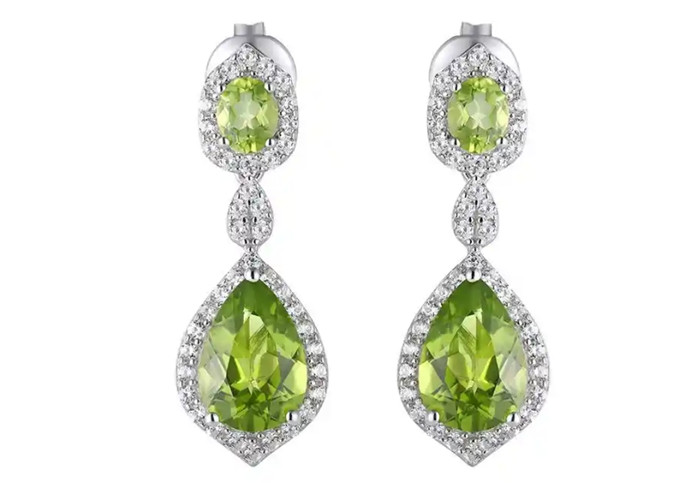
August: Peridot - A green gem linked to prosperity and good fortune.
Description: Peridot is a vibrant green gemstone that ranges from yellow-green to olive. It is known for its bright, fresh appearance and is one of the few gemstones in a single color.
Value: Peridot is generally more affordable than many other gemstones, though high-quality stones can still be valuable.
Origin: Most peridot is sourced from Arizona, China, and Pakistan.
Symbolism: Peridot is often associated with prosperity, which is believed to bring good fortune and success. It is also thought to promote positive energy, renewal, and healing.
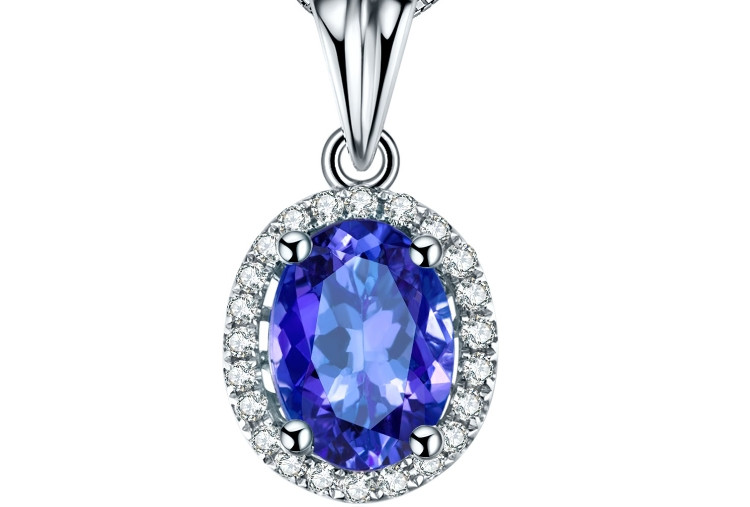
September: Sapphire - A royal blue stone representing wisdom and nobility.
Description: Sapphires are most famous for their deep blue color, but they also come in various shades, including pink, yellow, and green. Blue sapphires are the most traditional and highly prized.
Value: Sapphires can be expensive, with the highest-quality stones featuring a rich blue hue and few inclusions.
Origin: The most famous sapphires come from Sri Lanka, Kashmir, and Myanmar.
Symbolism: Associated with wisdom, loyalty, and nobility, sapphires are believed to bring protection and spiritual enlightenment. They have long been used in royal jewelry and are thought to enhance mental clarity and self-discipline.
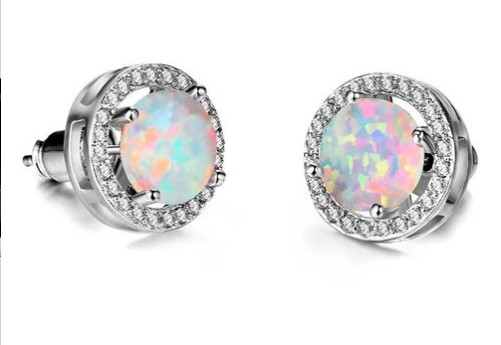
October: Opal - A mesmerizing gem known for its play of colors and creativity.
Description: Opals are known for their stunning play of color, showcasing an array of hues depending on how the light hits them. No two opals are the same, making them one of the most unique gemstones.
Value: Opals can be affordable to expensive, with high-quality stones commanding a premium.
Origin: Australia is the largest producer of opals, though stones are also found in Ethiopia and Mexico.
Symbolism: Opals are linked to creativity, originality, and emotional healing. They are believed to inspire imagination and promote emotional expression.
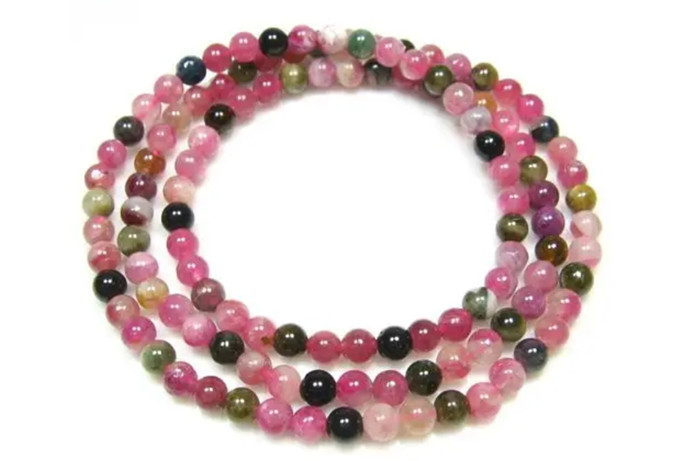
Tourmaline: Represents harmony and balance, great for creative souls.
Description:
Tourmaline is a highly versatile and colorful gemstone known for its wide range of hues. It can appear in every rainbow color, from rich greens and blues to vibrant pinks, reds, and even multicolored varieties. One of the most unique features of tourmaline is its ability to display multiple colors within a single stone, a phenomenon known as “bicolor” or “tricolor” tourmaline. Its captivating array of shades makes it a favorite among collectors and jewelry enthusiasts.
Value:
The value of tourmaline varies significantly based on factors like color, clarity, size, and rarity. While more standard colors like pink and green are affordable, rarer hues like Paraíba tourmaline (a neon blue-green variety) or watermelon tourmaline (a multicolored pink and green variety) can command high prices. Larger stones with vivid, even coloring are particularly valuable, and well-cut tourmalines are prized for their brilliance and clarity.
Origin:
Tourmaline is found in many locations around the world. The most famous sources include Brazil, which produces some of the most colorful and high-quality stones, and Africa, particularly Mozambique, and Nigeria, where unique hues and varieties are commonly found. The Paraíba region in Brazil is renowned for its vivid neon-blue tourmaline, a rare and highly sought-after variety. Tourmaline can also be sourced from Afghanistan, Sri Lanka, and the United States (mainly California).
Symbolism:
Tourmaline is believed to be a protective gemstone, guarding its wearer against negative energy and promoting balance and harmony. It is also thought to be a stone of inspiration, helping to promote creativity and self-expression. The variety of colors associated with tourmaline reflects different aspects of life, from love and compassion (pink and red tourmalines) to wisdom and tranquility (green and blue tourmalines). It’s also considered a stone that fosters emotional healing, enhancing the wearer's ability to overcome emotional blockages.
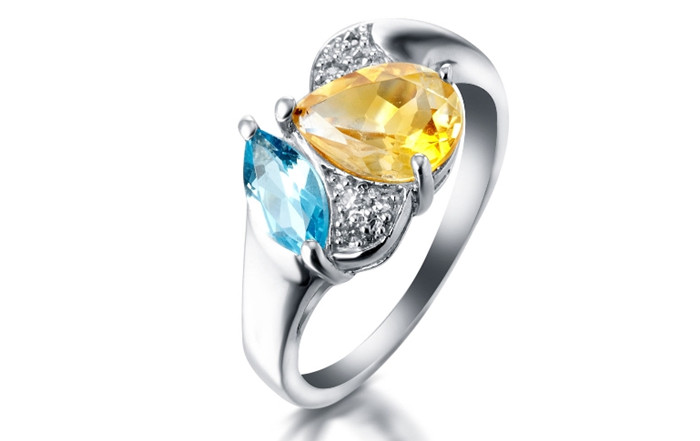
November: Topaz - A golden stone signifying strength and intellect.
Description: Topaz comes in various colors, including blue, yellow, and golden-brown. The most well-known topaz stones are blue, but the golden variety is equally admired for its rich warmth.
Value: Topaz is an affordable gemstone, though rare color varieties can be expensive.
Origin: Brazil, Russia, and Sri Lanka are major sources of topaz.
Symbolism: Often associated with strength, intellect, and wisdom, topaz is thought to bring joy, abundance, and confidence to its wearer.
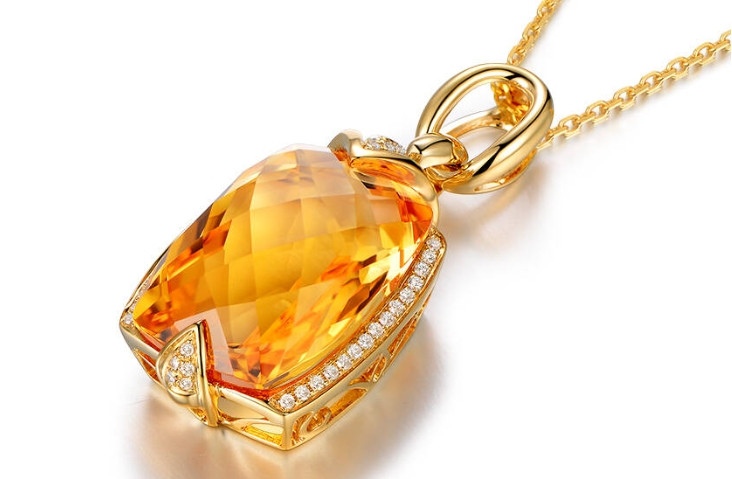
Citrine: Means joy and abundance, perfect for cheerful vibes
Description:
Citrine is a stunning yellow to golden-brown variety of quartz, often called the "stone of abundance" due to its vibrant, sun-like color. Its hues range from pale yellow to rich, deep gold and sometimes even to a reddish-brown. Citrine’s warm, golden tones make it a symbol of joy, prosperity, and positivity. It’s also one of the most popular gemstones for those seeking to bring warmth and abundance into their lives.
Value:
Citrine is affordable, especially compared to expensive stones like diamonds or sapphires. Its price can vary based on factors like color intensity, clarity, and size, with the most valuable citrine stones displaying a deep, rich golden hue. Natural citrine is rarer than heat-treated amethyst, but the latter is commonly used due to its affordability and availability. High-quality citrine stones with minimal inclusions are more valuable, though they remain one of the more budget-friendly gemstones in the market.
Origin:
Citrine can be found in several countries worldwide, including Brazil, the primary source of high-quality citrine. Other sources include the United States (particularly in Colorado), Africa, and Madagascar. Brazil is also famous for producing some of the largest citrine specimens. Most of the citrine available on the market today is heat-treated amethyst, which changes color during heating to give the golden hues of citrine.
Symbolism:
Citrine is often associated with abundance, prosperity, and success. It is believed to be a powerful manifestation stone, helping to attract wealth, success, and good fortune into one’s life. The gemstone's bright yellow and golden colors evoke positive energy, creativity, and joy. Citrine is also considered a healing stone that promotes clarity of thought, boosts self-confidence, and aids in overcoming fears. It’s mainly linked to the solar plexus chakra, which is said to govern personal power and confidence.
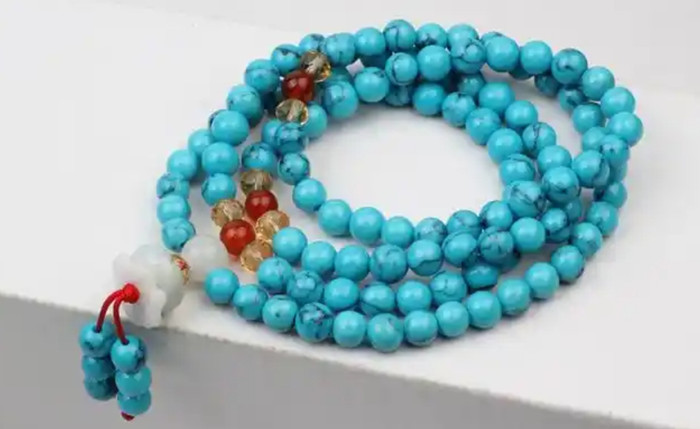
December: Turquoise - A calming blue-green gem associated with healing and protection.
Description: Turquoise is a blue-green gemstone used in jewelry for thousands of years. Its unique color makes it instantly recognizable and highly coveted.
Value: While turquoise can be relatively affordable, high-quality stones with intense color and few inclusions are considered precious.
Origin: Major sources of turquoise include Iran, the United States (particularly in the Southwest), and China.
Symbolism: Known for its healing properties, turquoise is believed to protect against harm and promote emotional balance. It is also associated with spiritual growth and tranquility.
Each of these birthstones carries its distinct charm and significance, making them personalized gifts and powerful symbols of the traits one embodies. As you explore the meanings behind each gemstone, you can uncover the unique connection between your birth month and its corresponding gem, allowing you to embrace your birthstone's essence fully.
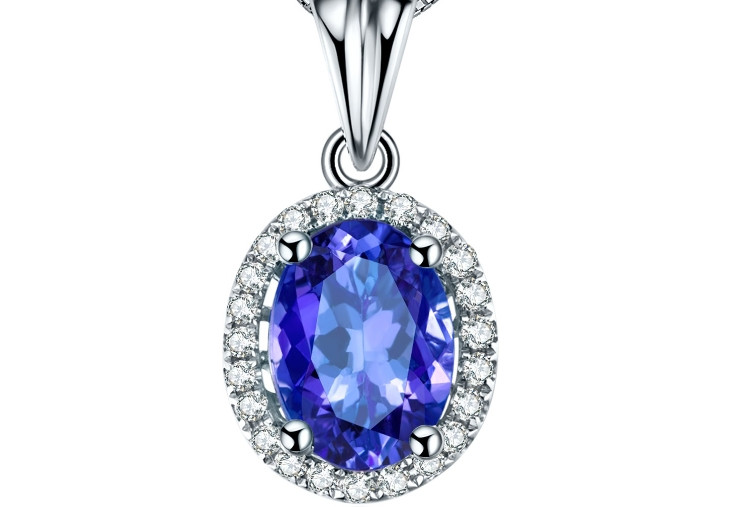
Tanzanite
Description:
Tanzanite is a rare and captivating gemstone known for its striking blue-to-violet hues. Discovered in 1967 in Tanzania, its rich color and rarity have made it a highly sought-after gemstone in the jewelry world. Tanzanite's color is unique, often displaying a range of blue and purple shades that can shift depending on the lighting. The gem’s trichroic nature means that it can show three distinct colors: blue, violet, and burgundy, giving it an incredible depth and vibrancy that is unlike any other gemstone.
Value:
Tanzanite is considered a luxury gemstone, though it is generally more affordable than diamonds or other precious stones like sapphires. Its color heavily influences its value, with the most prized tanzanite displaying a deep, vivid blue with violet undertones. Size and clarity also play a role in determining its price, with larger stones being especially valuable. Because tanzanite is only found in a small region of Tanzania, its scarcity further contributes to its value. As the supply of tanzanite decreases, it is expected to increase in value over time, making it an excellent investment for collectors.
Origin:
Tanzanite is exclusively found in a small, 10-square-mile area near Mount Kilimanjaro in Tanzania. This rare and limited geographical origin adds to its mystique and desirability. Despite efforts to find other sources, no new deposits have been discovered, which makes tanzanite even more precious. The gemstone is mined only in this region, contributing to its exclusivity and the ongoing demand for it in the market.
Symbolism:
Tanzanite is often associated with transformation, spiritual awakening, and self-discovery. Its deep and captivating color is believed to bring a sense of calm, inner peace, and spiritual clarity to its wearer. Tanzanite is also thought to enhance intuition, promote healing, and encourage emotional balance. It’s a stone linked to the third eye and throat chakras, fostering communication, awareness, and enlightenment. Some also consider tanzanite to symbolize new beginnings and the ability to see things differently.
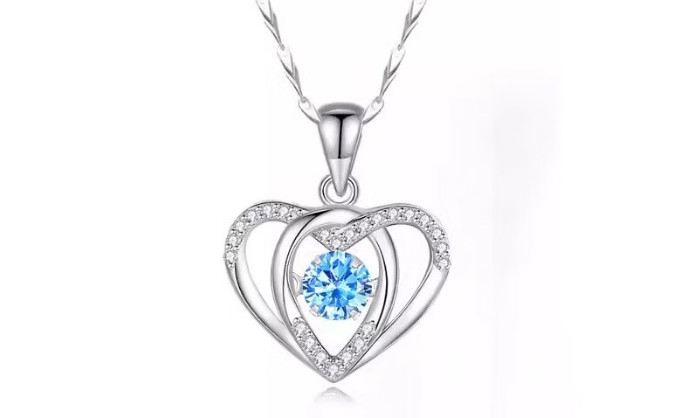
Zircon: Stands for wisdom and prosperity, for those seeking success.
Description:
Zircon is a stunning and underrated gemstone known for its brilliance and fire, often mistaken for diamond due to its remarkable sparkle. It occurs in various colors, including colorless, blue, green, yellow, red, and brown, though colorless zircon is the most common and resembles a diamond's appearance. Zircon has been used in jewelry for centuries and is one of the oldest minerals on Earth, dating back over 4.4 billion years. While its brilliance is often compared to diamonds, zircon is naturally more affordable, making it a popular choice for those looking for an attractive yet budget-friendly alternative.
Value:
Zircon is a relatively affordable gemstone, especially when compared to diamonds or other precious stones. Its price depends on color, clarity, and size, with the most valuable zircons typically being blue and colorless varieties. Blue zircons, mainly, are highly sought after due to their vibrant, eye-catching color. While zircon can be found in large sizes, the highest-quality stones are typically smaller and show the most intense color and brilliance. It is considered an excellent value option for those seeking a gemstone that offers beauty and affordability.
Origin:
Zircon is found in various parts of the world, with significant deposits in Cambodia, Myanmar (Burma), Sri Lanka, and Australia. Sri Lanka, in particular, is famous for producing some of the finest blue zircons, while Cambodia is known for its large, high-quality stones. Zircon is often mined as a byproduct of other mineral extractions, and its beautiful array of colors makes it highly desirable for use in jewelry.
Symbolism:
Zircon is believed to be a stone of wisdom and protection. Historically, it was thought to ward off evil spirits and promote peace, making it a popular amulet in ancient times. The stone is associated with spiritual grounding and emotional healing, helping the wearer gain insight, stability, and balance. Zircon is also said to enhance creativity, self-confidence, and clarity of thought. The colorless variety, in particular, is considered a symbol of purity and renewal. Many people wear zircon for its positive energy, as it’s thought to encourage inner peace and harmony.
Each gemstone has unique symbolism, and selecting a birthstone can be a fun and meaningful way to express your traits or give a thoughtful gift. You can check out our complete gemstone guide for a deeper look into the different gemstone types.
Are Lab-Grown Birthstones as Valuable as Natural Ones?
Lab-grown birthstones are becoming increasingly popular due to their affordability, ethical production, and similar qualities to their natural counterparts. While they share the same physical, chemical, and optical properties as natural gemstones, lab-grown stones are typically less expensive. This is because they are created in a controlled environment, where the conditions are optimized to grow the gemstones quickly, reducing the time and resources required compared to natural formation processes.
Regarding value, lab-grown birthstones generally do not hold the same resale value as natural gemstones. This is because natural stones are considered rarer and have been formed over millions of years, while lab-grown gemstones can be produced in a matter of weeks. However, for many consumers, lab-grown gemstones are an excellent choice, as they offer the same beauty and durability as natural stones but at a fraction of the cost.
Moreover, lab-grown birthstones have the advantage of being more eco-friendly and conflict-free, making them a popular choice for those who are conscious of their jewelry's environmental and ethical implications. Lab-grown birthstones can be just as valuable as natural ones for those who prioritize sustainability, particularly for personal wear and gifts.
How to Choose the Perfect Birthstone for You
Choosing the perfect birthstone can be a fun and personal experience. Here are some tips to help you decide:
Know Your Birth Month: The first step is simple—determine your birth month. Once you know your birthstone, you can explore its symbolism and characteristics to see if it resonates with you.
Consider the Meaning: Each birthstone holds unique meanings and symbolism. For example, emeralds (May) are associated with rebirth and love, while sapphires (September) represent wisdom and loyalty. You may want to choose a stone that reflects qualities you value or wish to embody.
Personal Style: While the symbolic meaning is important, you should also consider your personal style. Birthstones come in various colors and can be incorporated into jewelry in many different ways, so choose a stone that complements your taste and wardrobe.
Consider Your Budget: Some birthstones, like diamonds (April) and rubies (July), can be quite expensive, while others, such as garnets (January) and amethysts (February), are more affordable. Choose a stone that fits your budget while still having personal significance.
When in doubt, talk to a jewelry expert. At Wuzhou Tianyu Gems, we specialize in high-quality gemstones and can help you select the perfect stone for your custom jewelry.
