Synthetic Opal
Tianyu Gems-focusing on jewelry production for over 25 years, the custom jewelry manufacturers/experts around you
Language
Tianyu Gems-focusing on jewelry production for over 25 years, the custom jewelry manufacturers/experts around you
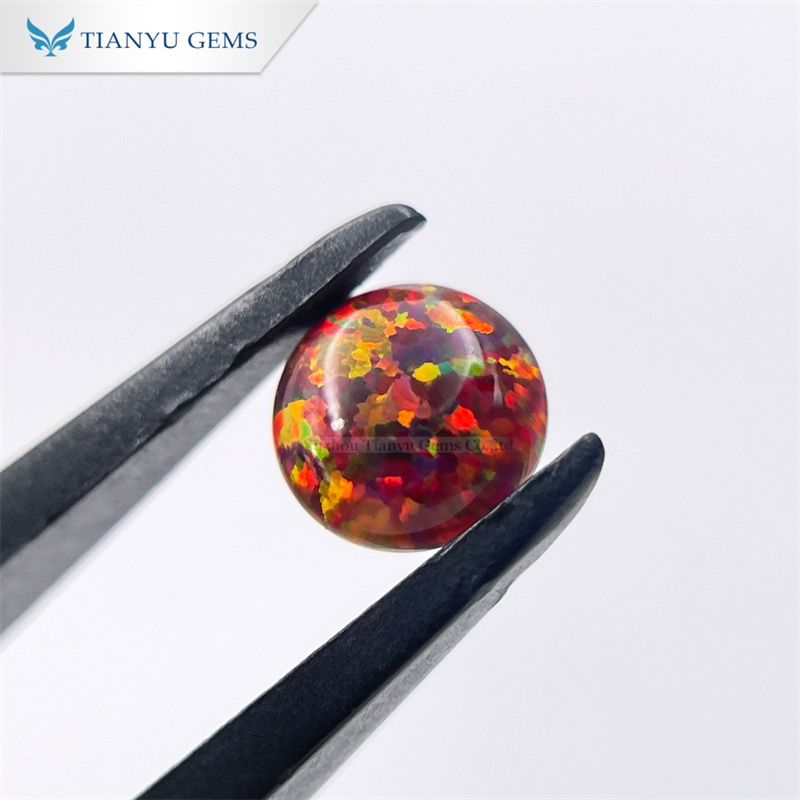
CP15 Red Synthetic Opal
Tianyu Gems is a professional manufacturer of synthetic gemstones in China.
Dozens of colors are available in all shapes and sizes, from Synthetic Opal to Nanosital, Identical to top earth-mined gems, 95% cheaper, eco-friendly.
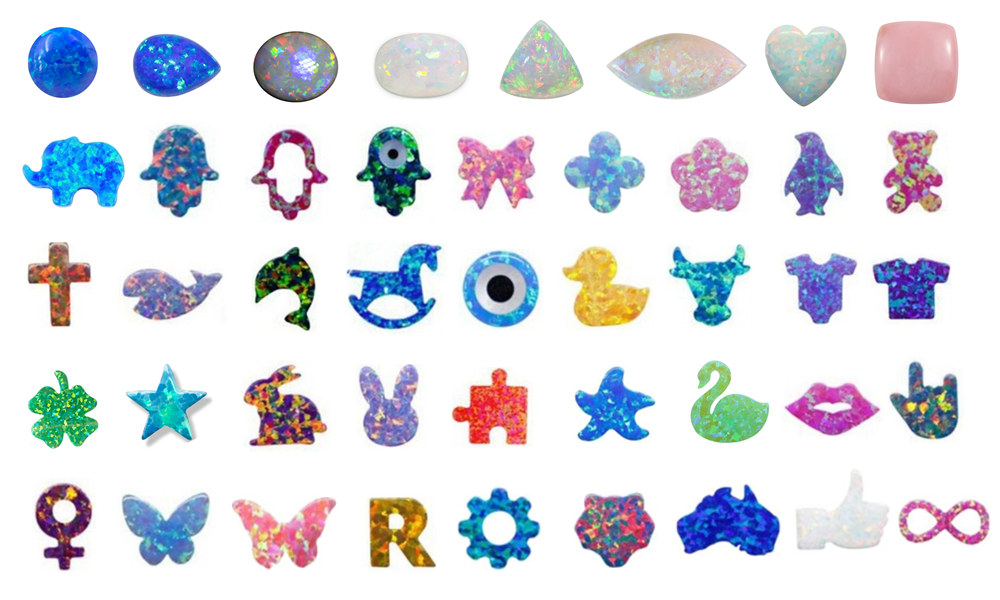
Every gemstone is meticulously hand-cut in any shape and cutting you desire, ensuring unparalleled quality and brilliance. Our commitment to precision and artistry guarantees that each piece is a unique masterpiece, reflecting the highest standards of craftsmanship.
Synthetic Opal can be produced in various colors, such as red, blue, pink, yellow, green, purple, black, white, and orange. Enjoy a stable supply of 92 colors, with most of the worldwide exclusive colors. For more colors, please don't hesitate to contact us.
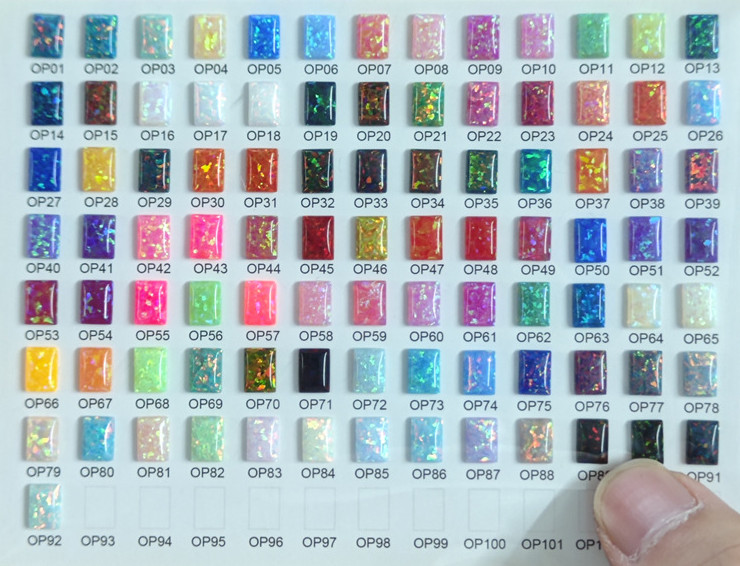
Synthetic opal is a man-made gemstone designed to replicate the chemical composition, internal structure, and physical properties of natural opal. It typically consists of silica spheres arranged in a highly regular, ordered pattern, which creates its characteristic play-of-color through light diffraction. Unlike natural opal, synthetic opals often display a more uniform and regular color pattern, sometimes described as a "chicken wire" or "lizard skin" appearance under magnification. They may contain resin (about 20%) combined with silica (about 80%) in some types, while others are resin-free and chemically identical to natural opal. Synthetic opals are generally more affordable, more durable, and less prone to cracking than natural opals. They do not fluoresce under UV light and can be distinguished by their uniformity and specific growth patterns. These qualities make synthetic opals popular for jewelry, offering vibrant colors and consistent quality at a lower price point.
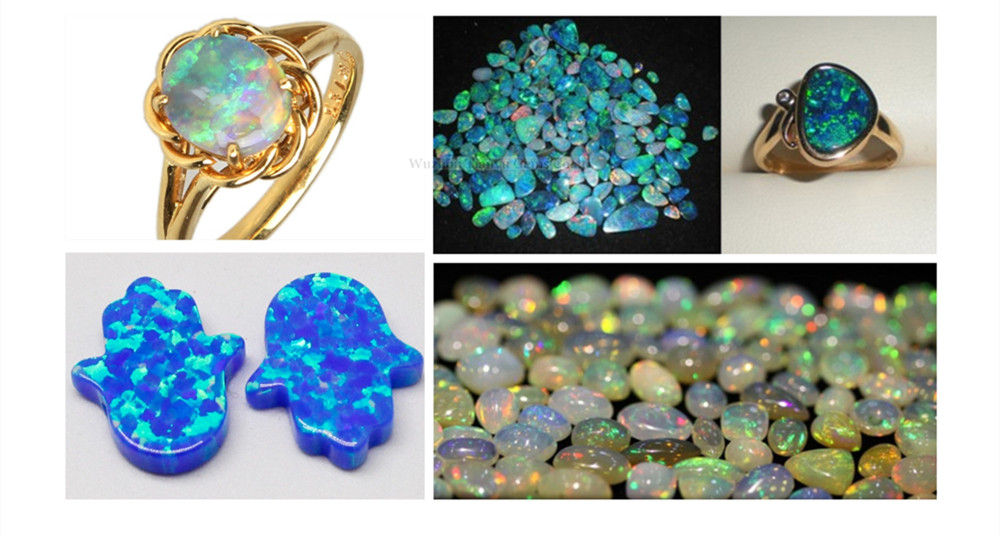
ANY SIZE, COLOR, SHAPE REQUIREMENT FOR OUR OPAL AND OTHER PRODUCTS IS MOST WELCOMED. FOR MORE CUTTING DETAILS, CONTACT US
How can I tell if an opal is synthetic or natural?
Identifying whether an opal is synthetic or natural can be tricky, but there are a few telltale signs to look for:
1. Pattern and Play-of-Color: Natural opals usually have irregular, non-repeating patterns, while synthetic opals often display a more uniform, “snakeskin” or “lizard skin” pattern. If the play-of-color appears too perfect or structured, it may indicate a lab-created opal.
2. Body Tone and Transparency: Natural opals can vary in clarity and may show potch (common opal without play-of-color) or matrix inclusions. Synthetic opals tend to be cleaner, with consistent body tone and fewer imperfections.
3. Columnar Structure: When viewed from the side under magnification, synthetic opals (especially Gilson opals) may show a columnar or lizard-skin-like growth pattern. Natural opals typically do not display this.
4. Price and Origin: Synthetic opals are generally much less expensive than natural ones. If the price seems too good to be true, it's worth double-checking.
5. Expert Verification: If you're unsure, a certified gemologist can test the opal using professional tools and techniques such as UV light testing and spectroscopy.
When in doubt, request certification or purchase from a reputable supplier to ensure authenticity. View More


Leave A Message
The first thing we do is meeting with our clients and talk through their goals on a future project.
During this meeting, feel free to communicate your ideas and ask lots of questions.
Wuzhou Tianyu Gems Co., Ltd located in the world renowned artificial gem city--Wuzhou, Guangxi, was founded in 2001. We are a professional high-end gem processing and custom jewelry manufacturer.
We specialized in solid gold, 925 sterling silver fine jewelry, 24K pure gold jewelry, Lab grown diamond, moissanite, synthetic emerald, lab grown gemstone etc.
Contact Us
 Tel/WhatsApp: +86 13481477286
 E-mail: tianyu@tygems.net
 Add: No.69 Xihuan Road Wan Xiu District, Guangxi Zhuang Autonomous Region,China
Copyright ©2026 Wuzhou Tianyu Gems Co., Ltd - All Rights Reserved.