



Essential Guide for Sensitive Skin: The Truth About Brass Jewelry and Allergic Reactions
For individuals with sensitive skin, selecting jewelry is always a delicate balancing act—especially when it comes to brass jewelry. With its affordable price point, warm luster, and versatile vintage aesthetic, brass has captivated countless jewelry enthusiasts. Yet many with sensitive skin remain hesitant, and for good reason.
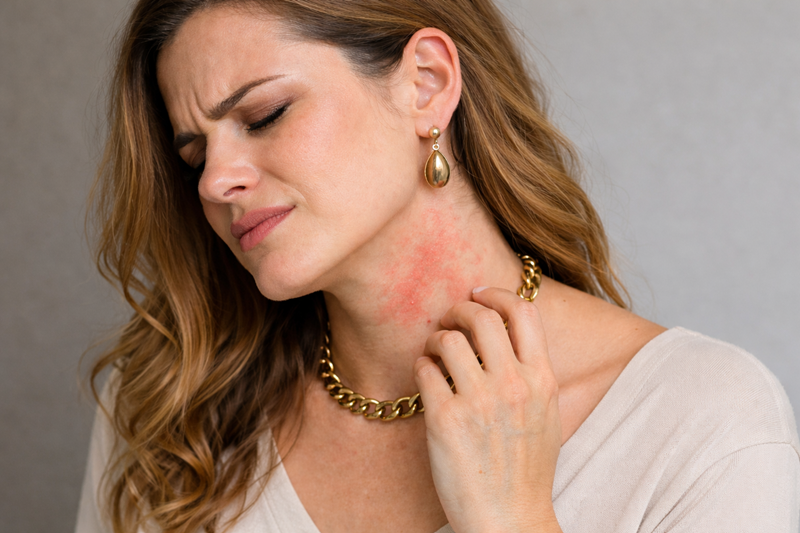
Consider these real-world scenarios: One friend purchased a brass necklace online, only to develop an itchy red rash on her neck within hours. After removing it immediately, she spent three days applying soothing ointments before her skin recovered. Another person experienced recurring redness, swelling, and peeling behind her ears after wearing brass earrings—an ordeal that left her afraid to try any metal jewelry again.
These reactions—redness, itching, rashes, and even peeling at contact points like the neck, wrists, and ears—are alarmingly common. In severe cases, they can disrupt daily life. But does this mean sensitive skin types must abandon brass jewelry entirely?
The truth is far more nuanced than a simple "material incompatibility." Today, we'll deeply analyze the real causes of brass jewelry allergies, examine concrete cases, and provide actionable strategies to help sensitive-skinned individuals safely embrace the unique charm of brass jewelry.
I. Foundation: Understanding Brass Jewelry Composition and Properties
To understand why sensitive skin reacts to brass jewelry, we must first examine what brass actually is.
What is Brass?
Contrary to common belief, brass isn't pure copper—it's an alloy of copper and zinc in specific proportions. The popular H62 brass contains approximately 62% copper and 38% zinc, with some specialty pieces incorporating trace amounts of other metals to adjust performance. This precise composition preserves copper's warm color while adding zinc's hardness, making it easy to craft into intricate designs at a fraction of the cost of precious metals. This affordability has made brass a staple in the budget jewelry market, widely used for necklaces, bracelets, earrings, and rings.
Advantages and Limitations
Compared to expensive precious metals like gold or platinum, brass's core advantage is exceptional cost-effectiveness. It can achieve diverse styles—from vintage antiqued finishes to minimalist luxury to elegant Eastern aesthetics—meeting various fashion needs at accessible prices. This makes it especially popular among students and young professionals.
However, brass has notable characteristics: when exposed to air and body sweat, it oxidizes readily, leading to surface tarnishing. It can also chemically react with components of sweat, producing irritating substances. This property has led many to mistakenly label brass as an "allergenic material," though the reality is more complex.
II. Decoding the Allergy Mystery: Why Does Sensitive Skin React to Brass?
(A) Core Culprits: Not Brass Itself, but "Additional Factors"
In most cases where sensitive skin reacts to brass jewelry, the discomfort isn't caused by copper or zinc—the primary components—but by easily overlooked "additional factors." Among these, nickel contamination stands as the leading cause and warrants serious attention from sensitive-skinned individuals.
1. Nickel Contamination (Critical Risk Factor)
Some small manufacturers, seeking to cut production costs, enhance hardness, improve surface gloss, and extend wearability, illegally add nickel to copper-zinc alloys. Nickel is internationally recognized as the number one allergen for sensitive skin, with powerful irritant properties for those with compromised skin barriers.
A consumer purchased a low-cost brass bracelet from a small market. After one week of wear, a circular red mark appeared on her wrist, accompanied by intense itching. Hospital examination confirmed contact dermatitis, with doctors attributing it to excess nickel in the jewelry.
According to China's National Standard GB 11887-2012 ("Regulations on Purity and Nomenclature of Precious Metals in Jewelry"), jewelry in direct skin contact must have a nickel release rate ≤ 0.2 μg/cm²/week. Products exceeding this standard can cause contact dermatitis with typical symptoms: redness, itching, and papules.
2. Plating Layer Deterioration
To prevent brass oxidation and create a barrier between brass and skin, most brass jewelry undergoes surface plating—commonly silver, gold, or rhodium. However, inferior jewelry features crude plating processes with insufficient thickness, uneven coverage, or peeling.
A blogger shared that their online-purchased brass-plated silver ring showed plating wear after just two weeks, when their finger came into contact with it, exposing the underlying brass. Within days, their finger became red and itchy, with marks lingering for several days.
As plating wears through friction and sweat erosion, exposed brass directly contacts sweat, producing metal ions and oxidation products that irritate sensitive skin and trigger allergic symptoms.
3. Chemical Reactions Between Sweat and Brass
Human sweat contains not just water, but also salts, lactic acid, urea, and other acidic substances. These components undergo oxidation-reduction reactions with brass, generating verdigris (basic copper carbonate) and free metal ions.
A sensitive-skinned individual wore a brass bracelet while hiking. After sweating with the bracelet tight against their wrist, they felt burning and itching. Upon removal, a green ring left small red bumps on their wrist—classic symptoms of a sweat-brass reaction.
This is particularly pronounced in hot summer weather. These substances adhere to skin surfaces, continuously damaging the already fragile skin barrier of sensitive individuals, reducing moisture retention and increasing susceptibility to irritation. Even non-allergic people may experience mild itching and dryness; sensitive skin reacts more dramatically.
4. Inadequate Jewelry Cleaning
Brass jewelry details—crevices, engravings—easily trap dust, sebum, and sweat. Without regular cleaning, these accumulations breed bacteria and mites, creating hidden "contamination sources."
A woman who wore an ornate brass necklace only wiped its surface, neglecting the engraved crevices. After one month, recurring sporadic rashes appeared on her neck. She assumed it was the material until she thoroughly cleaned the crevices with a soft brush, removing substantial grime. Afterward, wearing the necklace with hypoallergenic tape prevented further reactions.
When these contaminants contact sensitive skin, they directly trigger an inflammatory response, causing allergy-like redness and itching, leading people to wrongly blame the brass rather than identifying the true cause.
(B) Myth-Busting: Pure Brass ≠ Absolutely Safe
Two common misconceptions about brass jewelry allergies need correction:
Myth 1: "Brass = Pure Copper, and Pure Copper Won't Cause Allergies."
Reality: Brass is definitely a copper-zinc binary alloy, compositionally and characteristically distinct from pure copper. Even high-purity pure copper jewelry oxidizes with prolonged wear, producing verdigris. These oxidation products continuously irritate the compromised skin barriers of sensitive individuals. Pure copper is not "absolutely safe"—sensitive skin requires caution.
Myth 2: "Allergic Reactions Mean Copper Allergy"
Reality: Clinical dermatological data show that most cases diagnosed as "brass jewelry allergy" aren't actually allergies to copper itself, but rather reactions to illegally added nickel impurities, exposed substrate materials after plating wear, or oxidation products from brass-sweat reactions. True copper element allergies are extremely rare clinically, a specific, uncommon allergic condition.
III. Good News for Sensitive Skin: Practical Guide to Safe Brass Jewelry Wear
(A) Smart Shopping: Risk Prevention at the Source
For sensitive skin, careful selection is the first—and most critical—line of defense against brass jewelry allergies. Following these three principles dramatically reduces the likelihood of allergic reactions and ensures worry-free wear.
1. Prioritize Nickel-Free and Food-Grade Brass
Choose products clearly labeled "nickel-free brass" or "food-grade brass," which are rigorously tested to ensure strict control of nickel and other allergenic impurities for enhanced safety.
Success Story: A sensitive-skinned blogger who previously reacted to all brass jewelry purchased a "nickel-certified" brass bracelet from a reputable brand. After requesting and confirming the testing report showed compliant nickel release, she wore it for over a month without any adverse reactions.
Action Steps:
Actively request authoritative testing reports from sellers
Verify nickel release complies with GB 11887-2012 standards
Refuse "three-no" products (no testing report, no brand identification, no production information)
2. Select Quality Plating with Robust Coatings
Prioritize pieces with thick, precision-applied plating. Rhodium and gold plating offer superior wear resistance and stability, effectively isolating the brass substrate from skin contact and physically reducing irritation. Avoid unplated brass or rough-hewn pieces—these pose an extremely high allergenic risk.
3. Avoid Cheap, Low-Quality Products
Choose legitimate e-commerce platform brand stores or physical retail locations. Carefully review sensitive-skin user feedback. If multiple people report redness, itching, or discomfort after wearing, avoid the product entirely to prevent potential allergic hazards.
(B) Wearing Practices: Minimizing Skin Irritation
Proper wearing techniques further reduce the risk of sensitive skin discomfort, extend jewelry lifespan, and better protect your skin.
Timing and Duration:
Avoid prolonged outdoor wear during the hot summer months
Remove jewelry during exercise, saunas, or bathing when sweat production increases
Limit daily wear to under 8 hours
Allow skin to breathe and repair after removal
Success Story: A sensitive-skinned friend established a rule: never wear brass jewelry outdoors in summer for extended periods; always remove it during exercise or bathing; limit daily wear to a maximum of 6 hours; wipe it clean with a cotton cloth after removal; and air-dry in a well-ventilated area. Following these practices, she wore the same brass necklace for six months without any allergic reactions.
Skin Condition Monitoring:
Suspend wearing if skin shows breaks, swelling, inflammation, or sunburn
Resume only after skin fully recovers and stabilizes
This prevents irritating wounds and worsening discomfort
Post-Wear Care:
After each wear, gently wipe jewelry surfaces with a soft cotton or microfiber cloth
Remove sweat and residue to prevent oxidation buildup
These details significantly reduce brass jewelry's allergenicity
(C) Cleaning and Maintenance: Extending Lifespan, Reducing Allergenic Risk
Scientific cleaning and maintenance keep brass jewelry lustrous while fundamentally reducing allergenic hazards for sensitive skin—a win-win approach.
Cleaning Method:
Prepare warm water and neutral cleaner (gentle amino acid hand soap or specialized jewelry cleaner)
Soak jewelry 5-10 minutes to soften debris in crevices
Use a soft-bristle brush to gently scrub detailed areas
Rinse thoroughly with clean water after removing residue
Dry completely with a cloth to prevent moisture-accelerated oxidation
Important: Avoid disinfectants, alcohol, or bleach—these strong corrosives damage plating and jewelry materials, potentially exposing brass substrate and triggering allergies.
Storage:
Place jewelry in sealed bags or dedicated boxes to isolate it from the air
Include desiccants to absorb moisture and prevent oxidation tarnishing
If plating shows wear, flaking, or peeling, promptly seek professional jewelry repair for re-plating
Suspend wearing until re-plated to prevent sensitive skin from contacting the brass substrate
(D) Emergency Response: What to Do if Allergic Reactions Occur?
If skin shows redness, itching, or rashes after wearing brass jewelry, immediately take correct measures to relieve symptoms and prevent escalation.
Immediate Actions:
Remove Jewelry Immediately – Eliminate allergen contact
Rinse with Running Water – Use lukewarm flowing water to wash the affected area for 5+ minutes, thoroughly removing residual metal ions and impurities
Pat Dry Gently – Use a clean towel to pat (don't rub) skin dry
Apply Soothing Treatment – Use fragrance-free, alcohol-free, preservative-free gentle products (calamine lotion or sensitive-skin repair moisturizers) to relieve itching and swelling
A user shared that after sudden redness and itching behind her ears from brass earrings, she immediately removed them, rinsed with running water for 5 minutes, dried, and applied fragrance-free repair moisturizer. The itching was relieved that evening, and the swelling subsided the next day.
When to Seek Medical Attention:
If symptoms don't noticeably improve within 1-2 days, or if you experience extensive redness, peeling, oozing, or pain, seek medical care promptly. Follow the doctor's instructions for anti-allergy medication. Avoid scratching to prevent secondary infection.
Documentation:
Record the jewelry's brand, style, materials, and purchase source. Avoid similar products in the future to reduce the likelihood of recurrence.
IV. Alternatives: Affordable Low-Allergen Metal Jewelry for Sensitive Skin
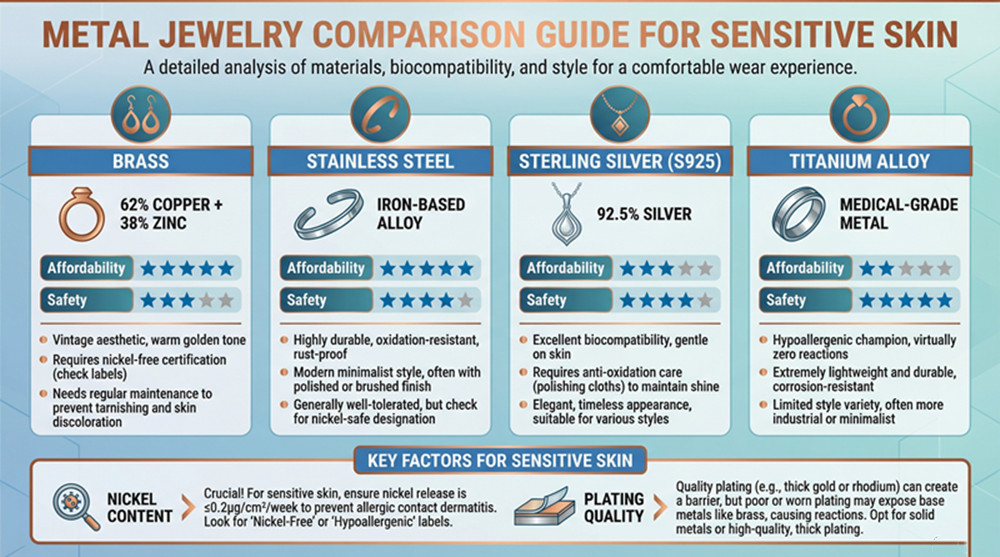
If you still have concerns about brass jewelry and want to avoid potential allergic reactions, consider these affordable, low-allergen metal jewelry alternatives. They satisfy daily fashion needs while maximizing skin safety—balancing aesthetics with practicality.
1. Nickel-Free Stainless Steel
Price point: Comparable to brass
Advantages: Extremely stable material, corrosion-resistant, oxidation-resistant, wear-resistant; strictly controlled nickel content meets sensitive skin standards
Style: Primarily minimalist, in style with clean lines; suits casual and professional settings
Real experience: A sensitive-skinned friend who always reacted to brass switched to nickel-free stainless steel necklaces—no discomfort during daily wear or exercise, with simple, versatile styling meeting all fashion needs
2. Sterling Silver (S925 Silver)
Advantages: Mild, stable properties; good biocompatibility; friendly to most sensitive skin; rarely triggers allergies
Selection tip: Choose nickel-free plated S925 silver jewelry to avoid impurities in plating, causing allergies
Maintenance: Requires isolation from air to prevent oxidation tarnishing; periodic polishing with silver cloth
Real experience: A severely sensitive-skinned blogger occasionally still reacted to nickel-free brass, but switching to nickel-free plated S925 silver significantly improved the wearing experience. With proper maintenance, preventing oxidation, no allergic issues occurred
3. Titanium Alloy
Advantages: Exceptional biocompatibility; virtually never triggers allergic reactions; widely used medically; ideal for allergic constitutions
Limitations: More limited style selection (mostly ultra-minimalist); slightly higher price than brass and stainless steel, but unmatched safety
Real experience: A naturally allergic user reacted to multiple metal jewelry types, but after trying titanium rings, experienced zero discomfort for over six months
Comparison Summary:
Brass jewelry: Excels at diverse styles and vintage textures, creating unique fashion statements. With strict attention to selection, wearing, and maintenance, sensitive skin can safely wear it
For ultimate safety: If prioritizing safety over style variety, titanium alloy and nickel-free stainless steel offer more reliable choices
Choose flexibly based on your skin condition, fashion preferences, and budget. Don't give up your pursuit of beauty because of sensitive skin.
V. Conclusion: Sensitive Skin Can Confidently Embrace Brass Jewelry
In summary, sensitive skin and brass jewelry aren't natural "enemies." Brass jewelry itself isn't the core allergen—skin discomfort primarily stems from external additional factors. By precisely avoiding risks like nickel contamination, inferior plating, and inadequate cleaning, and mastering scientific selection techniques, wearing methods, and maintenance knowledge, sensitive-skinned individuals can confidently wear brass jewelry without allergy concerns, fully enjoying the vintage beauty and fashion versatility brass offers.
Have you experienced frustrating brass jewelry allergies? What exclusive tips do you have for sensitive-skin jewelry wearers? Share your insights and lessons learned in the comments to help more sensitive-skin friends overcome jewelry allergy troubles. Remember to save and share this article—provide a practical reference for beauty-loving, sensitive-skin companions around you, confidently unlock various jewelry charms together, stay free from brass jewelry allergy worries, and showcase your fashion style with confidence.
Appendix: Supplementary Knowledge
1. Verdigris Composition and Irritation Mechanism
Verdigris, produced by brass oxidation and chemically known as basic copper carbonate, appears as a green powder or film with mild irritant properties. Sensitive skin's already fragile barrier has weak resistance to external irritation. Upon contact with verdigris, its components penetrate the skin's surface layer, disrupting the stratum corneum's structure and triggering inflammatory responses—manifesting as redness, itching, papules, and, in severe cases, peeling.
2. National Standard Reference
GB 11887-2012 ("Regulations on Purity and Nomenclature of Precious Metals in Jewelry") is a core Chinese jewelry industry standard. It explicitly requires that all jewelry in direct skin contact have nickel release rates ≤ 0.2 μg/cm²/week. This standard aims to limit the nickel content in jewelry to protect sensitive skin. Non-compliant products are prohibited from sale to consumers; consumers can use this standard to protect their rights.
