



A Comprehensive Guide to Topaz's Varieties, Benefits, and Care Tips
Dive into the captivating world of topaz, a gemstone renowned for its stunning array of colors and remarkable versatility. From the deep blues of the skies to the warm golden hues reminiscent of autumn leaves, topaz enchants both collectors and jewelry lovers alike. This comprehensive guide uncovers the different varieties of topaz, each with its unique charm and allure, while highlighting its many benefits, from enhancing clarity of thought to promoting emotional balance. Whether you're considering a topaz piece for your collection or looking to gift a loved one, understanding the nuances of this beautiful stone can elevate your appreciation. Additionally, mastering care tips ensures your topaz remains radiant for years to come. Join us as we unveil the beauty of topaz and explore why this extraordinary gem has captured hearts throughout history. Get ready to unlock the secrets behind one of nature's most dazzling creations!
What is Topaz?
Topaz is a naturally occurring silicate mineral composed of aluminum and fluorine, renowned for its remarkable hardness (8 on the Mohs scale) and brilliant clarity. It forms in a variety of colors, including colorless, yellow, blue, pink, orange, and even rare red and green shades. These hues may occur naturally or result from heat treatment or irradiation. Topaz is found in igneous rocks like rhyolite and granite and is typically mined in Brazil, Sri Lanka, Russia, Nigeria, and the United States.
Valued for both its durability and beauty, topaz is a popular choice for various types of jewelry, especially rings, necklaces, and earrings. Blue topaz, in particular, is one of the most widely sold colored gemstones globally. Additionally, topaz is the birthstone for November and is associated with love, strength, and protection. Its affordability, brilliance, and variety make it a favorite among jewelers and collectors.
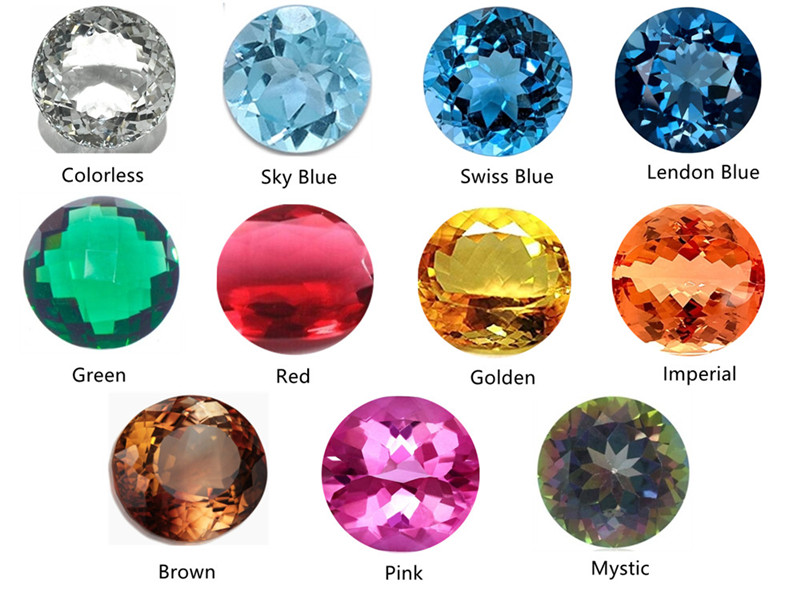
Types and Colors of Topaz
Topaz is renowned for its exceptional variety of colors and types, largely resulting from trace impurities or structural defects in its crystal lattice rather than its basic chemical composition. This allochromatic nature means that even small amounts of elements like chromium, iron, manganese, or titanium can produce a wide spectrum of hues. Below is a detailed overview of the main types and colors of topaz:
Blue Topaz
Description:
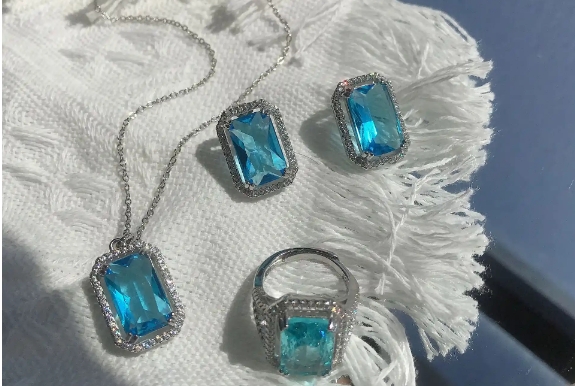
Blue Topaz is one of the most popular and affordable blue gemstones, cherished for its brilliant clarity and vibrant color. Naturally occurring blue topaz is quite rare, so most blue topaz on the market is produced by treating colorless topaz with heat and irradiation. The gemstone is available in three main shades: Sky Blue (light and airy), Swiss Blue (vivid and electric), and London Blue (deep and rich). Its eye-catching sparkle and durability make it a top choice for all types of jewelry, from rings to pendants.
Value:
While blue topaz is abundant and relatively inexpensive, London Blue is the most valuable due to its intense hue and popularity in fine jewelry. Prices vary based on size, color saturation, and clarity. High-quality cuts can significantly enhance the stone’s brilliance.
Origin:
Blue topaz is sourced from several locations worldwide, including Brazil, Nigeria, Sri Lanka, Mexico, and the United States. Brazil remains the leading producer, especially for large, gem-quality material.
Golden Topaz
Description:
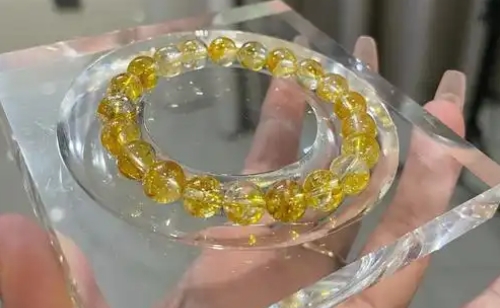
Golden Topaz, also known as precious topaz, showcases a warm, sunlit hue that ranges from pale yellow to deep amber-gold. Its radiant color and excellent clarity and brilliance make it a prized gemstone for collectors and fine jewelry enthusiasts. Unlike blue topaz, golden varieties often occur naturally, making them more exclusive and desirable in their untreated form. With its rich, glowing tones, golden topaz is especially favored in vintage and classic designs.
Value:
Due to its rarity and natural coloration, golden topaz is more valuable than common treated topaz varieties like blue or colorless. Stones with a deeper, more saturated golden-orange hue command higher prices, especially when well-cut and eye-clean. Larger carat sizes significantly increase the gem's value, particularly if untreated.
Origin:
The finest golden topaz is primarily mined in Brazil, especially from the Ouro Preto region in Minas Gerais. Other notable sources include Russia, Sri Lanka, Pakistan, and Mexico. Brazilian golden topaz is particularly admired for its vibrant golden and orange tones.
Imperial Topaz
Description:
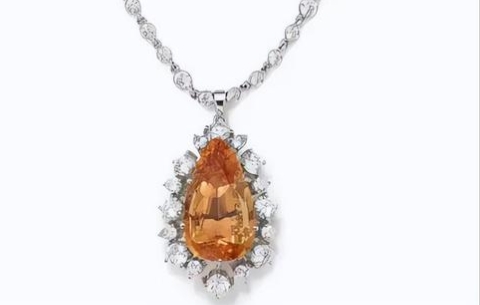
Imperial Topaz is the most valuable and sought-after topaz, admired for its luxurious hues of rich golden-orange, peach, pink, and reddish-orange. This regal gemstone has long been associated with Russian royalty, which is how it earned the name "Imperial." Its warm, fiery tones and excellent clarity make it a standout in high-end jewelry. Unlike many topaz colors, Imperial Topaz is typically naturally colored, with minimal treatment, making each gem truly special.
Value:
Imperial Topaz commands premium prices due to its rarity and natural coloration. Stones with strong reddish or pinkish overtones are especially prized. The value increases significantly with size, depth of color, and clarity. It is considered a collector's gem and is often featured in luxury rings, pendants, and bespoke designs.
Origin:
The most famous and consistent source of Imperial Topaz is Ouro Preto, Brazil, which produces gems with the classic reddish-orange hue. Some smaller quantities have been found in Russia and Pakistan, but Brazilian material remains the benchmark for quality and authenticity.
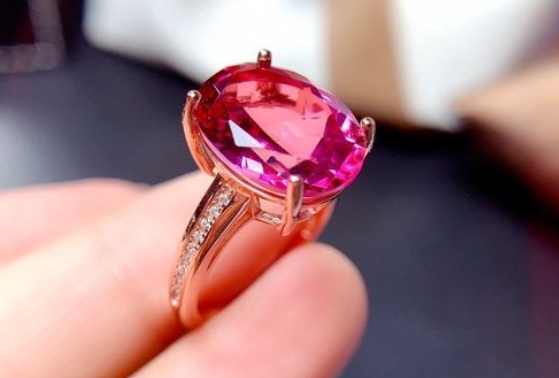
Pink Topaz
Description:
Pink Topaz is a captivating and feminine gemstone known for its delicate hues that range from soft baby pink to vibrant rose and fuchsia. Naturally pink topaz is quite rare, and much of the pink topaz on the market is treated—usually heat-treated or coated—from colorless or light-toned topaz. Its brilliance, clarity, and romantic appeal make it a favorite for elegant rings, earrings, and statement pieces. The gem’s gentle color conveys sophistication and warmth, often symbolizing love, affection, and grace.
Value:
Naturally pink topaz, especially with a strong pink-to-rose hue, is considerably valuable and rarer than treated varieties. Enhanced pink topaz is more affordable and widely available. The price depends on the saturation, size, and whether the stone is natural or treated. Unheated, untreated pink topaz with excellent clarity is highly prized among collectors.
Origin:
The finest natural pink topaz is primarily sourced from Brazil, particularly in the Ouro Preto region. Other occurrences have been noted in Pakistan, Russia, and Sri Lanka, though in much smaller quantities. Treated pink topaz can originate from any region producing clear or lightly colored topaz.
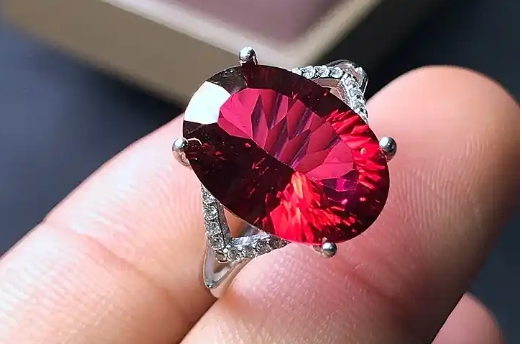
Red Topaz
Description:
Red Topaz is one of the rarest and most striking varieties of topaz, featuring rich hues ranging from rosy red to deep reddish-orange. Its vivid color is often the result of a strong pink base with orange or golden overtones, creating a fiery and luxurious appearance. Red topaz is sometimes considered a subcategory of Imperial Topaz when it contains both red and orange tones. Its brilliance and rarity make it a prized gem for collectors and high-end jewelry pieces.
Value:
Red topaz is among the most valuable forms of topaz, mainly when naturally occurring. Stones with a pure, saturated red color and minimal inclusions can fetch premium prices. Due to its scarcity, untreated red topaz is significantly more expensive than common treated varieties. Even smaller stones with intense red hues are highly prized.
Origin:
The finest red topaz comes from the Ouro Preto region in Minas Gerais, Brazil, the same region famed for Imperial Topaz. A limited supply and mining difficulties contribute to its rarity and high market value. Other deposits are extremely rare and generally produce pinker tones rather than true red.
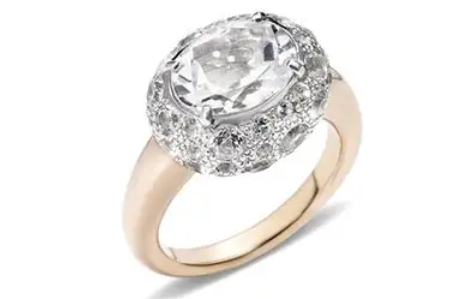
Colorless Topaz
Description:
Colorless Topaz, also known as white topaz, is the purest form of topaz in its natural state, free of any trace elements that give the gemstone color. It possesses excellent clarity, brilliance, and a high refractive index, making it a popular diamond alternative in jewelry. While it lacks the fire of diamonds, its affordability, hardness (8 on the Mohs scale), and availability in large sizes make it a versatile choice for rings, earrings, and pendants.
Value:
Colorless topaz is abundant and affordable, especially compared to its colored counterparts. Its value is primarily influenced by cut quality and clarity. High-quality stones with precision faceting can exhibit exceptional sparkle. While it’s less expensive than other topaz varieties, it is a popular base for treated stones (such as blue or mystic topaz).
Origin:
Colorless topaz is mined in many parts of the world, including Brazil, Sri Lanka, Nigeria, Mexico, Myanmar, and the United States. Brazil is the largest producer and supplier of gem-quality material used in both untreated and treated topaz.
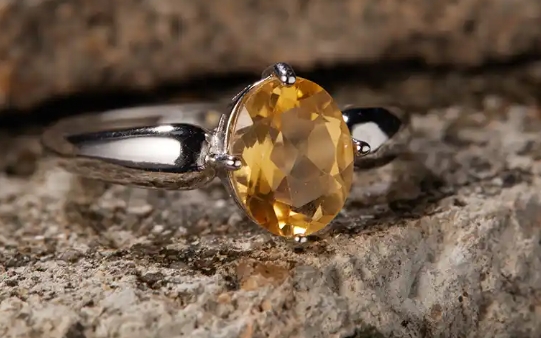
Brown Topaz
Description:
Brown Topaz features warm, earthy tones that range from light champagne to deep mocha or cognac shades. Often overshadowed by more vivid topaz varieties, brown topaz has a subtle, organic beauty that appeals to those who prefer neutral or vintage-style gemstones. It often exhibits excellent clarity and a soft shimmer that works well in antique or boho-inspired jewelry. Some brown topaz stones may show secondary golden or amber tones, adding to their charm.
Value:
Brown topaz is typically more affordable than rarer topaz colors like Imperial or red. Its value is influenced by the richness and evenness of its color, clarity, and cut. While not highly prized in the traditional gem market, it holds niche appeal and is a cost-effective option for natural stone lovers.
Origin:
Brown topaz can be found in the same regions that produce other topaz, including Brazil, Sri Lanka, Pakistan, and the United States. Brazil remains the most significant source, often producing naturally brown or lightly colored stones that can be used untreated.
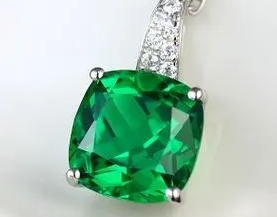
Green Topaz
Description:
Green Topaz is a rare and unusual topaz that displays delicate shades ranging from pale mint green to medium forest green. Naturally occurring green topaz is extremely scarce; most green topaz seen on the market is the result of treatment, typically involving irradiation and heat. It's cool, refreshing color, combined with topaz’s characteristic brilliance, makes it a unique and eye-catching gemstone, often chosen for distinctive and elegant jewelry designs.
Value:
Due to its rarity in natural form, untreated green topaz is more valuable than its treated counterparts. The depth of color and clarity determine the value, and whether the gem is natural or enhanced. Deep green hues with good transparency can increase prices, especially in custom or designer jewelry pieces.
Origin:
Green topaz is sourced from topaz-producing regions like Brazil, Pakistan, Russia, Sri Lanka, and the United States. However, most green topaz on the market originates from treated colorless topaz, with Brazil supplying much of the raw material used in the enhancement process.
Mystic Topaz
Description:
Mystic Topaz is a dazzling, rainbow-colored gemstone created by applying a thin, transparent coating—usually titanium or similar materials—to natural colorless topaz. This treatment results in a vibrant, iridescent surface that reflects a wide array of colors, including green, purple, pink, and blue, often all at once. Its bold, futuristic appearance and remarkable brilliance make it a favorite in contemporary jewelry styles. Mystic Topaz is not a naturally occurring color but is highly admired for its unique aesthetic.
Value:
While not as valuable as untreated natural topaz varieties, Mystic Topaz strongly appeals to those seeking bold, affordable statement jewelry. Its value depends on the quality of the base topaz (usually high-clarity colorless topaz), the coating process's precision, and the finish's durability. Proper care is essential; the coating can wear over time if exposed to harsh chemicals or abrasives.
Origin:
The base material for Mystic Topaz typically comes from Brazil, the world’s largest producer of colorless topaz. The enhancement process is usually performed in specialized gem treatment facilities in Thailand, India, and the United States.
Here is a summary table of all topaz colors, including their appearance, value highlights, origin, and cause of color:
Topaz Color | Appearance | Value Highlights | Primary Origin(s) | Cause of Color |
Blue Topaz | Sky blue to deep London blue | Affordable, London Blue is most valued | Brazil, Nigeria, Sri Lanka, USA | Irradiation and heat treatment of colorless topaz |
Golden Topaz | Warm yellow to amber-gold | Natural stones are more valuable; richer hues fetch higher prices | Brazil, Mexico, Russia | Trace amounts of iron or chromium |
Imperial Topaz | Rich golden-orange, peach, reddish-orange | Most valuable variety; rare and often untreated | Brazil (Ouro Preto) | Chromium and iron (natural coloration) |
Pink Topaz | Light to deep pink, rose | Rare in natural form, vivid untreated pinks are highly prized | Brazil, Pakistan, Russia | Chromium (natural) or heat treatment |
Red Topaz | Vibrant red to reddish-orange | Extremely rare and valuable, often considered part of the Imperial | Brazil (Ouro Preto) | Chromium and trace elements (natural) |
Colorless Topaz | Transparent, no color | Most abundant; often used for treated stones like Mystic or Blue | Brazil, Sri Lanka, Nigeria, USA | Pure topaz with no color-causing impurities |
Brown Topaz | Light champagne to deep brown/cognac | Less expensive; appreciated in earthy or vintage designs | Brazil, Sri Lanka, Pakistan, USA | Natural radiation or trace elements (iron) |
Green Topaz | Pale mint to medium forest green | Rare, deeper colors are more valuable | Brazil, Russia, Sri Lanka, USA | Typically treated: irradiation + heat or trace elements |
Mystic Topaz | Iridescent rainbow (green, purple, pink, blue) | Fashionable and affordable, the coating must be protected | Brazil (base), treated in the USA, Thailand | Thin film coating applied to colorless topaz |
The Benefits of Wearing Topaz
Emotional and Mental Benefits
Emotional Balance and Calmness: Topaz is known for its calming energy that soothes emotions, reduces anxiety, stress, and tension, and promotes emotional stability and joy. It encourages self-acceptance and helps release negative emotional baggage, making it ideal for emotional healing and stress relief.
Enhanced Mental Clarity and Focus: Topaz stimulates intelligence, improves concentration, and aids problem-solving and learning. It helps clear mental blockages, promotes honesty, and supports effective communication, enabling clearer thought processes and decision-making.
Boosted Confidence and Self-expression: Wearing topaz can increase self-confidence, personal power, and assertiveness. It supports authentic self-expression and helps articulate thoughts and feelings clearly, especially blue topaz, which resonates with the throat chakra.
Spiritual Benefits
Spiritual Awareness and Growth: Topaz enhances spiritual development by connecting the wearer to divine wisdom and higher consciousness. It facilitates meditation, attunes psychic abilities, and helps align intentions with divine will for manifestation.
Chakra Healing and Energy Alignment: Different colors of topaz correspond to various chakras:
Blue Topaz aligns with the Throat Chakra, aiding communication and self-expression.
Golden/Yellow Topaz connects with the Solar Plexus Chakra, boosting confidence and personal power.
Clear Topaz stimulates the Crown Chakra, promoting spiritual enlightenment and clarity.
Physical Benefits
Healing and Vitality: Topaz is believed to support physical health by aiding digestion, strengthening the immune system, promoting overall vitality, and assisting in recovery from ailments. It is also said to help with weight loss and protect against accidents.
Stress Reduction and Sleep Aid: The calming properties of topaz can alleviate insomnia and promote restful sleep by reducing restlessness and calming the mind.
Manifestation and Abundance
Attracting Prosperity: Topaz is regarded as a powerful stone for manifestation, helping amplify intentions and attract abundance and success. It motivates and inspires the wearer to pursue goals with a positive outlook
How to Identify and Evaluate Topaz Quality
1. Color
Color is the most critical factor in topaz valuation. The most prized variety is imperial topaz, which displays a rare reddish-orange to pinkish pleochroic color. For other types, look for consistent, vivid hues with good saturation and tone. For example, blue topaz should have a clear, vibrant sky-blue or deeper London blue shade without uneven patches or dull areas. The color should appear rich and evenly distributed throughout the stone under various lighting conditions. Color shifts can occur but should be pleasing and not detract from the overall appearance.
2. Clarity
Topaz is generally known for its high clarity and is often "eye-clean," meaning it lacks visible inclusions to the naked eye. When evaluating clarity, use magnification to check for internal flaws like fractures or crystals and surface blemishes. High-clarity stones allow maximum light to pass through, enhancing brilliance and sparkle. Stones with fewer inclusions are more valuable, but minor inclusions that do not affect transparency are acceptable.
3. Cut
The cut affects how well the topaz reflects light and displays its color and brilliance. A well-cut topaz has symmetrical facets with good proportions and depth, which maximizes sparkle and prevents light from escaping through the bottom ("windowing"). The polish should be smooth and mirror-like to enhance luster. Poorly cut or asymmetrical stones appear dull and less vibrant.
4. Carat Weight
Carat weight measures the size of the topaz. Larger stones are rarer and generally more valuable, but size alone does not guarantee beauty. A smaller, well-cut, high-clarity stone with excellent color can be more visually appealing and valuable than a larger, poorly cut or included stone. Balance carat weight with other quality factors when making a purchase.
5. Certification
Obtaining a certificate from a reputable gemological laboratory (such as GIA, AGS, or IGI) is crucial to verify the authenticity, quality, and any treatments of the topaz. Certification protects buyers from fraud and misrepresentation by confirming the stone’s natural origin, color treatment status, and quality parameters.
Additional Identification Tips
Visual Inspection: Genuine topaz has a vitreous (glass-like) luster and may show natural inclusions.
Hardness Test: Topaz rates 8 on the Mohs scale, so it can scratch materials softer than 8 but should not be scratched easily.
Thermal Conductivity: Topaz disperses heat quickly; fog from breath dissipates almost instantly on its surface.
Topaz vs. Other Gemstones: A Comparison
Topaz stands out among gemstones for its wide range of colors, high durability (Mohs hardness of 8), and relative affordability. Compared to similar-looking gems like aquamarine, citrine, and sapphire, topaz offers a brilliant alternative without the premium price tag.
Here is a detailed comparison of topaz versus other popular gemstones, highlighting key differences in physical properties, appearance, value, and market position to help buyers understand where topaz stands:
Feature | Topaz | Quartz | Sapphire | Aquamarine | Yellow Sapphire | Citrine | Zircon | Diamond |
Chemical Composition | Aluminum fluorosilicate (Al₂SiO₄(F,OH)₂) | Silicon dioxide (SiO₂) | Aluminum oxide (Al₂O₃) | Beryl family (Be₃Al₂Si₆O₁₈) | Aluminum oxide (Al₂O₃) | Silicon dioxide (SiO₂) | Zirconium silicate (ZrSiO₄) | Pure carbon (C) |
Mohs Hardness | 8 | 7 | 9 | 7.5 – 8 | 9 | 7 | 7.5 | 10 (hardest natural mineral) |
Cleavage | Perfect basal cleavage (fragile) | None (conchoidal fracture) | None | Poor cleavage | None | None | Indistinct cleavage | Perfect cleavage in four directions |
Refractive Index | 1.61 – 1.64 | 1.54 – 1.55 | 1.76 – 1.78 | 1.57 – 1.59 | 1.76 – 1.78 | 1.54 – 1.55 | 1.92 – 2.01 | 2.42 (very high, causing intense sparkle) |
Density (Specific Gravity) | 3.4 – 3.6 | 2.6 – 2.7 | 3.99 – 4.10 | 2.65 – 2.85 | 3.99 – 4.10 | 2.6 – 2.7 | 4.6 – 4.7 | ~3.52 |
Color Range | Wide: blue, yellow, pink, red, brown, clear | Wide: clear, purple (amethyst), yellow (citrine) | Primarily blue, also pink, yellow, green | Pale to deep blue | Bright canary yellow | Yellow to orange | Blue, green, yellow, brown | Wide: colorless to fancy colors (blue, pink, yellow, etc.) |
Natural vs Treated | Many blue topaz stones are irradiated and heat-treated to enhance color | Mostly natural, some heat-treated (e.g., amethyst) | Mostly natural, some heat-treated | Mostly natural | Mostly natural | Mostly natural | Often heat-treated | Mostly natural |
Price Range (per carat) | Common blue: $8–$30; Rare imperial topaz: $350–$1,000+ | Low to moderate ($1–$20) | High ($100–$1,000+) | Moderate to high ($40–$500) | High ($100–$1,000+) | Low ($5–$30) | Moderate ($20–$200) | Expensive; prices vary widely, often thousands per carat |
Durability for Jewelry | Good hardness but perfect cleavage makes it prone to breakage | Moderate hardness, no cleavage, durable | Very durable, no cleavage | Durable but with poor cleavage | Very durable, no cleavage | Moderate durability | Moderate durability | Extremely durable and scratch-resistant |
Typical Use | Versatile: rings, earrings, pendants | Affordable jewelry, often simulants | Fine jewelry, engagement rings | Fine jewelry, especially in blue tones | Fine jewelry, especially yellow gems | Affordable jewelry | Fine and fashion jewelry | Engagement rings, fine jewelry, investment stones |
Market Position | Affordable alternative to precious stones; valued for color variety and brilliance | Common and inexpensive | Precious gemstone, highly valued | Semi-precious, valued for rare blues | Precious gemstone, rarer and more costly | Affordable quartz variety | Semi-precious, valued for brilliance | highly valued |
Care and Maintenance of Topaz Jewelry
Topaz is a beautiful and relatively complex gemstone (Mohs hardness 8), but it requires careful maintenance to preserve its brilliance, color, and structural integrity. Its perfect cleavage makes it susceptible to chipping or cracking if mishandled, and some colors can fade with prolonged heat or sunlight exposure. Below are expert-recommended care and cleaning guidelines for topaz jewelry:
Cleaning Topaz Jewelry
Use Mild Soap and Lukewarm Water:
Prepare a solution of lukewarm water and mild dish soap or gentle jewelry cleaner. Soak your topaz jewelry for a few minutes to loosen dirt and oils.
Gentle Brushing:
Use a soft toothbrush or jewelry brush to clean around the gemstone and setting gently. Avoid abrasive brushes or harsh scrubbing that can scratch the surface.
Rinse and Dry:
Rinse thoroughly under cool running water to remove soap residue. Pat dry with a soft, lint-free cloth and allow the jewelry to air dry completely before storing or wearing.
Avoid Ultrasonic and Steam Cleaners:
Vibrations from ultrasonic cleaners can create micro-fractures in topaz, and steam cleaning’s high heat may cause damage or color changes. These methods are not recommended.
Specialized Cleaners:
Non-toxic jewelry cleaners like Connoisseurs Dazzle Drops can be used safely for topaz set in gold or platinum. For silver settings, use silver-specific cleansers that are safe on gemstones.
Protecting Your Topaz Jewelry
Avoid Exposure to Chemicals:
Remove topaz jewelry before swimming in chlorinated pools, using household cleaning products, or applying cosmetics, perfumes, and hairsprays. Chemicals can dull or damage the stone and the setting.
Prevent Heat and Sunlight Damage:
Prolonged exposure to direct sunlight or sudden temperature changes can cause fading or cracking, especially in yellow, brown, or reddish topaz. Store jewelry away from heat sources and direct sunlight.
Store Properly:
To avoid scratches from harder stones or metals, keep topaz jewelry in a soft pouch or a separate compartment in a jewelry box. Avoid storing multiple pieces together loosely.
Avoid Physical Impact:
Due to its perfect cleavage, topaz can chip or fracture if struck. To prevent accidental damage, remove jewelry during sports, heavy lifting, or manual work.
Professional Maintenance
Annual Inspection and Cleaning:
Have your topaz jewelry professionally inspected at least once a year. Jewelers can check for loose settings, chips, or cracks and perform deep cleaning and polishing to restore brilliance.
Re-cutting or Re-polishing:
Professional re-polishing can rejuvenate its shine and appearance if the stone becomes scratched or dull over time.
Conclusion: Embracing the Beauty of Topaz
Embracing the beauty of topaz means appreciating its many facets, from its stunning variety of colors to its rich history and cultural significance. Whether you are drawn to the calming blues of blue topaz, the warm golden tones of imperial topaz, or the mesmerizing iridescence of mystic topaz, there is a topaz variety that can captivate and enchant you. Understanding the origins, benefits, and care tips for topaz can enhance your appreciation and help you make informed decisions when adding this remarkable gemstone to your collection.
Topaz is not just a beautiful stone; it is also believed to offer numerous benefits, from enhancing mental clarity to promoting emotional balance. Its rich history and cultural significance further add to its allure, making it a timeless and treasured gemstone. Whether you are a seasoned collector or a jewelry enthusiast, understanding the nuances of topaz can deepen your connection to this extraordinary gem and elevate your jewelry collection.
In conclusion, topaz is a versatile and captivating gemstone that has captured hearts throughout history. By learning about its varieties, origins, benefits, and care tips, you can fully embrace the beauty of topaz and enjoy its radiant charm for years to come. Whether you wear it for its aesthetic appeal, metaphysical benefits, or historical significance, topaz is a gemstone that truly stands the test of time. Embrace the beauty of topaz and let it illuminate your life with its dazzling brilliance.
