



The Ultimate Guide to Garnet Meaning, Benefits, and Care
The Historical Significance of Garnet
Garnet's history is as rich and varied as the stone, dating back to ancient times when various civilizations highly valued it. The Egyptians, for example, revered garnet as a symbol of life and vitality. They used it extensively in their jewelry and religious artifacts, believing that the deep red hues of the stone represented the blood and life force of their gods. Garnet was also a popular choice for signet rings and seals used to stamp official documents and secure important messages.
Throughout history, garnet continued to hold significant value during the Roman era. Roman soldiers wore garnet talismans as a protective measure, believing the stone could shield them from harm and bring victory in battle. Garnet's durability and striking appearance made it favored for intricate carvings and inlays in Roman mosaics and jewelry. The stone's connection to warfare and protection persisted through the Middle Ages, where knights often carried garnet amulets to ensure safety and success during their crusades.
Garnet has recently been associated with the Industrial Revolution, particularly in Bohemia (modern-day Czech Republic). Bohemian garnet became highly sought after for its distinctive deep red color and excellent quality. The region became a hub for garnet mining and craftsmanship, producing exquisite pieces exported across Europe and beyond. Garnet's enduring popularity through the ages speaks to its timeless beauty and its deep cultural significance for countless generations.
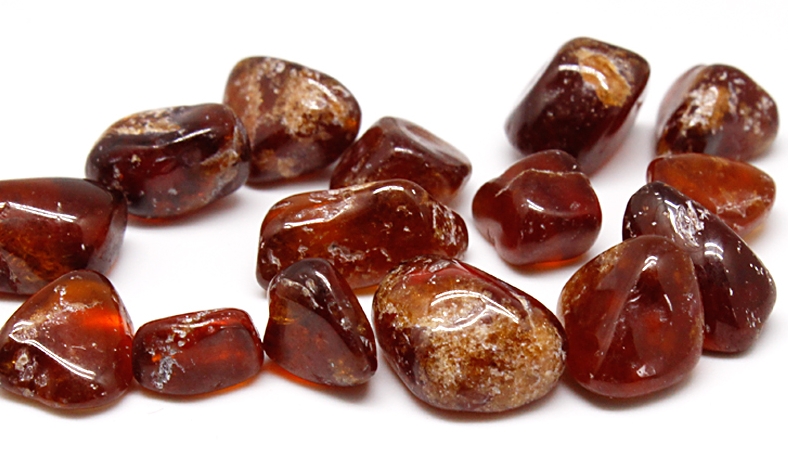
The Different Types of Garnet and Their Unique Properties
Garnet is a complex group of silicate minerals sharing a common crystal structure but varying widely in chemical composition, color, and physical properties. This diversity results in many distinct garnet types with unique characteristics and uses. Below is an overview of the major garnet species and notable varieties, highlighting their unique properties.
Garnet Type | Dominant Colors | Chemical Composition | Notable Properties | Common Uses | Primary Source Countries |
Pyrope | Deep red, purplish red | Mg3Al2(SiO4)3 | ruby-like color, isotropic | Jewelry | Mozambique, USA |
Almandine | Deep red, brownish red | Fe3Al2(SiO4)3 | Dense, common, darker hues | Jewelry, abrasives | India, Brazil, Sri Lanka |
Rhodolite | Purplish-pink | Pyrope + Almandine blend | Attractive rosy hues | Jewelry | Sri Lanka, Mozambique |
Spessartine | Bright orange to reddish-orange | Mn3Al2(SiO4)3 | Brilliant orange, Mandarin garnet variety | Jewelry | Namibia, Nigeria |
Grossular | Colorless, green, yellow, orange | Ca3Al2(SiO4)3 | Wide color range, includes tsavorite & hessonite | Jewelry, collectors | Kenya, Tanzania |
Andradite | Yellow, green, brown, black | Ca3Fe2(SiO4)3 | Highest dispersion, includes demantoid | High-end jewelry | Russia, Namibia |
Uvarovite | Emerald green | Ca3Cr2(SiO4)3 | Rare, small crystals | Collectors | |
Malaya (Malaia) | Orange, red-orange, peach, pink | Pyrope + Spessartine blend | Unique blend, lively colors | Jewelry | |
Color-Change | Red to blue/green | Pyrope + Spessartine blend | Dramatic color change | Collectors | Tanzania, Sri Lanka |
Pyrope Garnet
Color: Deep red to purplish red, sometimes with a hint of pink or orange-red.
Properties: Magnesium-rich, often compared to rubies for its rich red color. Pyrope garnets are isotropic and have a hardness of about 7 on the Mohs scale.
Uses: Popular in fine jewelry; also forms the base for rhodolite garnet (a pyrope-almandine blend).
Unique Fact: Pure pyrope would be colorless; its red color comes from iron and chromium impurities.
Almandine Garnet
Color: Deep red, brownish red, sometimes violet-red or brownish black.
Properties: Iron-rich, garnets are the most common species in metamorphic rocks like schist and gneiss. They are generally darker and denser than pyrope.
Uses: Widely used in jewelry and industrial abrasives.
Unique Fact: Often opaque or semi-transparent; blends with pyrope produce rhodolite garnets.
Rhodolite Garnet
Color: Purplish-pink to purplish-red.
Properties: A blend of pyrope and almandine, combining the best qualities.
Uses: Valued for its attractive color and clarity in jewelry.
Unique Fact: The name derives from the Greek word for “rose,” reflecting its rosy hues.
Spessartine Garnet
Color: Bright orange to reddish-orange, sometimes yellow-brown.
Properties: Manganese-rich, known for its brilliance and fiery colors.
Uses: Garnets are popular in jewelry, especially the highly prized Mandarin garnet variety, known for its vivid orange color.
Unique Fact: Spessartine garnets can be mixed with pyrope to form malaia garnets with a unique red-orange hue.
Grossular Garnet
Color: Extremely variable, colorless, white, yellow, green, orange, brown, gray, and black.
Properties: Calcium-rich, grossular garnets range from transparent to opaque.
Notable Varieties:
Tsavorite: A rare and valuable bright green garnet colored by vanadium and chromium.
Hessonite: Known as the “cinnamon stone,” it exhibits golden-orange to reddish-brown hues.
Hydrogrossular: Contains water molecules, often opaque with a “watery” appearance.
Uses: Jewelry and collectors’ stones.
Unique Fact: Grossular garnets have the widest color range among garnet species.
Andradite Garnet
Color: Yellow, green, brown, and black.
Properties: Calcium-iron garnet has the highest dispersion (fire) among garnets, exceeding diamond.
Notable Varieties:
Demantoid: Brilliant green, highly prized and rare, often with characteristic horsetail inclusions.
Topazolite: Yellow variety of andradite..
Melanite: Black andradite variety.
Uses: High-end jewelry and collectors’ gems.
Unique Fact: Demantoid garnets are sometimes used as birthstones for May and are among the rarest garnets.
Uvarovite Garnet
Color: Emerald green.
Properties: Chromium-rich and the rare garnet species are typically found as small crystals.
Uses: Mostly collector specimens due to rarity and small size.
Unique Fact: Its intense green color rivals that of emeralds, but facetable material is extremely rare.
Malaya (Malaia) Garnet
Color: Shades of orange, red-orange, peach, and pink.
Properties: A blend of pyrope and spessartine, discovered in Tanzania’s Umba Valley.
Uses: Jewelry, noted for lively colors and sparkling red flashes.
Unique Fact: “malaia” means “out of the family,” reflecting its unique composition.
Color-Change Garnet
Color Changes depending on the light source, shifting from red or purplish-red in incandescent light to blue or greenish in daylight.
Properties: Typically, pyrope-spessartine blends with rare optical phenomena.
Uses: Highly collectible and rare gems.
Unique Fact: Blue garnets were first reported from Madagascar in the 1990s and are prized for their dramatic color change.
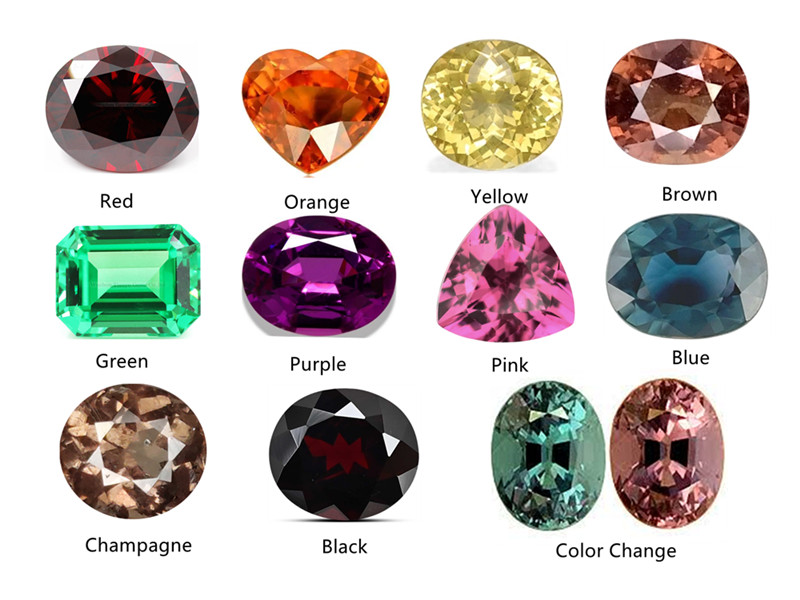
Colors of Garnet: A Rainbow Beyond Red
Garnet is widely known for its classic deep red color, but its color spectrum extends far beyond red, offering a vibrant "rainbow" of hues that make it one of the most versatile and fascinating gemstone groups. Here’s an overview of the colors of garnet, showcasing its rich diversity:
Classic and Common Colors
Red: The most familiar garnet color, seen in varieties like Pyrope and Almandine, ranging from bright red to deep, purplish-red tones. This traditional red symbolizes passion and vitality and remains the most prevalent garnet color worldwide.
Orange and Yellow Hues
Orange: Spessartine garnets are famous for their bright orange to reddish-orange shades, including the highly prized "Mandarin" garnet with a vivid fiery orange color.
Yellow: Some Grossular and Andradite garnets display yellow to golden-yellow hues, adding warmth and brightness to the garnet palette.
Green Garnets
Green: Among the rarest and most valuable garnets, green garnets include varieties like Tsavorite (a Grossular garnet) and Demantoid (an Andradite garnet). These gems range from light mint to deep emerald green and are prized for their brilliance and rarity. Uvarovite garnet also exhibits intense emerald green but is usually found in small crystals.
Rare and Unique Colors
Pink and Purple: Rhodolite garnets (pyrope-almandine blends) show beautiful pink to purplish-red hues, while some garnets may display lavender or violet shades.
Brown: Some Grossular and Andradite garnets appear in brown or earth tones, sometimes with a golden or champagne tint.
Colorless and Gray: Rare Grossular garnets can be nearly colorless or gray, offering a subtle, understated look.
Special Phenomena and Uncommon Colors
Color-Change Garnets: These rare garnets shift color depending on the light source, often changing from red or pinkish hues in incandescent light to green, blue-green, or purple in daylight. Color-change garnets are mostly pyrope-spessartite mixtures but can also occur in other species.
Blue Garnets: Exceptionally rare, some pyrope-spessartite garnets display blue to teal colors and may also exhibit color change.
The Benefits of Wearing Garnet: Physical and Emotional Healing
Wearing garnet is believed to offer a range of physical and emotional benefits that can enhance overall well-being. Physically, garnet is thought to support the body's natural healing processes and boost energy levels. It is often used in crystal healing to stimulate the circulatory system and improve blood flow. This increased circulation is said to help detoxify the body, promote cellular regeneration, and enhance vitality. Garnet is also believed to support the immune system, helping to ward off illness and promote general health.
Emotionally, garnet is known for its grounding and stabilizing properties. It is said to help balance the emotions and reduce feelings of anxiety and stress. By promoting a sense of calm and security, garnet can help its wearer navigate challenging situations with confidence and resilience. The stone is also believed to enhance self-esteem and encourage a positive outlook on life. This emotional stability can increase motivation, creativity, and overall well-being.
In addition to its physical and emotional benefits, garnet is also thought to have spiritual properties that can support personal growth and transformation. The stone is believed to activate and balance the root chakra, which is associated with feelings of safety, security, and stability. By grounding the wearer and connecting them to the earth's energies, garnet can help facilitate spiritual awakening and growth. Whether used in meditation or worn as jewelry, garnet is thought to provide a powerful source of spiritual support and guidance.
How to Choose the Right Garnet for You
Selecting the perfect garnet involves considering several factors to ensure the stone meets your aesthetic and metaphysical needs. One of the first aspects to consider is the color of the garnet. While red garnets are the most well-known, garnets come in a variety of colors, including green, orange, yellow, and even colorless. Each color has unique properties and symbolism, so choosing a hue that resonates with you is important. For example, green garnets like Tsavorite are said to promote growth and renewal, while red garnets are associated with passion and energy.
Another important factor to consider is the quality of the garnet. Look for stones free from visible inclusions and have a vibrant, even color. The cut of the garnet is also crucial, as a well-cut stone will reflect light beautifully and enhance the stone's natural brilliance. When purchasing garnet jewelry, it's also important to consider the setting. A secure and well-crafted setting will protect the stone and enhance its overall appearance.
Finally, consider the metaphysical properties of the garnet and how they align with your personal goals and intentions. A red garnet may be the best choice if you're seeking emotional healing and balance. If you want to enhance your creativity and motivation, a spessartine garnet with its bright orange hue may be more suitable. By taking the time to consider these factors, you can choose a garnet that looks beautiful and supports your personal growth and well-being.
Caring for Your Garnet: Cleaning and Maintenance Tips
Use Warm Soapy Water: The safest and most effective way to clean garnet is with warm water mixed with a mild, phosphate-free dish soap. Soak your garnet piece briefly (about a minute), then gently clean it using a soft, lint-free cloth or a soft-bristled toothbrush, especially around settings where dirt accumulates.
Rinse and Dry Thoroughly: After cleaning, rinse the garnet with clean, warm water to remove soap residue. Pat dry with a soft microfiber or chamois cloth and allow it to air dry before storing.
Avoid Harsh Chemicals and Abrasives: Avoid bleach, toothpaste, salt, or abrasive cleaners. These can damage the stone’s surface or setting.
Ultrasonic and Steam Cleaning: Ultrasonic cleaners are generally safe for garnets without fractures or inclusions, but should be avoided if the stone has fractures or is fracture-filled. Steam cleaning is not recommended due to thermal shock and damage risk.
Handling and Wearing Tips
Avoid Extreme Heat and Hard Impacts: Garnets can withstand everyday wear but should be protected from sudden temperature changes and hard knocks that may cause fractures or chips.
Wear with Care: Garnet rates 6.5 to 7.5 on the Mohs hardness scale, making it moderately hard but susceptible to scratches from harder stones like diamonds, sapphires, or rubies. Avoid wearing garnet jewelry during activities that may expose it to rough surfaces or abrasive materials.
Storage Recommendations
Store Separately: To prevent scratches from harder gemstones or metals, keep garnet jewelry in a soft pouch or fabric-lined jewelry box compartment.
Protect from Moisture: Although garnet is relatively stable, avoid prolonged exposure to moisture, especially with porous or fracture-filled stones.
Professional Care
Regular Inspections and Cleaning: Have your garnet jewelry professionally cleaned and inspected at least once a year to maintain its sparkle and to check for loose settings or damage.
Polishing: Professional polishing can restore the stone’s surface and brilliance for worn or scratched garnets.
Conclusion: Embracing the Power of Garnet in Your Life
Garnet is more than just a beautiful gemstone; it is a powerful tool for personal transformation and well-being. With its rich history, diverse range of colors, and unique properties, garnet offers something for everyone. Whether seeking emotional healing, physical vitality, or spiritual growth, garnet can provide the support and inspiration you need. By choosing the right garnet for your needs and caring for it properly, you can enjoy its benefits and beauty for years.
Incorporating garnet into your life can be as simple as wearing jewelry or carrying a garnet stone. The stone's grounding and stabilizing properties can help you navigate life's challenges confidently and resiliently. Its vibrant energy can ignite your passion and creativity, allowing you to pursue your goals and dreams with renewed vigor. Whether you're drawn to garnet for its aesthetic appeal or its metaphysical properties, embracing the power of garnet can enhance your life in meaningful ways.
As you explore the garnet world, take the time to appreciate its beauty and significance. From its ancient origins to its modern-day allure, garnet has captivated and inspired people for centuries. By unlocking the secrets of garnet, you can discover a gemstone that enhances your style and supports your journey towards greater well-being and fulfillment. Embrace the power of garnet and let its timeless beauty and transformative properties enrich your life.
