



Spinel: The Hidden Gem You Need to Know About
The History of Spinel: From Ancient Times to Modern Day
Spinel’s history is as rich and colorful as the gemstone itself. This alluring mineral has been mined and treasured for centuries, often mistaken for more famous stones due to its striking resemblance to rubies and sapphires. The name spinel is derived from the Latin word "spina," meaning thorn, which refers to the sharp, needle-like crystals often found in spinel deposits. Historically, significant spinels have been unearthed in Southeast Asia, Central Asia, and the Middle East, frequently set into royal crowns and ceremonial jewelry.
One of the most famous instances of spinel being mistaken for another gemstone is the "Black Prince's Ruby" in the British Imperial State Crown. This stunning red spinel has a storied past, having been passed from one royal to another for centuries. It wasn't until later that gemologists identified it as spinel rather than ruby. Similarly, the "Timur Ruby," a 361-carat red spinel, was once believed to be a ruby and now resides in the British Crown Jewels. These cases underline spinel's historical significance and allure, even when its true identity was unknown.
In modern times, spinel has gradually gained recognition and respect in the gemstone market. Its appeal has grown as collectors and jewelers appreciate its unique qualities, vibrant colors and remarkable durability. Advances in gemology have made it easier to distinguish spinel from other gemstones, helping it carve out a distinct identity in the world of precious stones. Today, spinel is celebrated for its individuality and the rich history accompanying each piece, making it a highly sought-after gemstone for those in the know.
Characteristics of Spinel: What Makes It Unique
Spinel stands out in the gemstone world for its remarkable physical and optical properties. One of the most significant characteristics of spinel is its exceptional hardness, ranking 8 on the Mohs scale. This makes it an ideal choice for jewelry that is meant to be worn regularly, as it can withstand daily wear and tear without losing its luster. Spinel has a cubic crystal structure, contributing to its brilliant sparkle and excellent refractive index.
Another unique feature of spinel is its wide range of colors. Unlike many gemstones that owe their hues to impurities, spinel's colors result from its complex chemical composition. This diversity in coloration allows spinel to offer something for every taste, from deep reds and vibrant blues to pastel pinks and purples. The presence of trace elements such as chromium, iron, and cobalt in the crystal lattice is responsible for this stunning variety. For instance, chromium gives rise to red and pink spinels, while cobalt is accountable for the sought-after blue spinels.
Spinel also exhibits excellent clarity and minimal inclusions, further enhancing its appeal. High-quality spinels are often eye-clean, meaning they have no visible inclusions when examined with the naked eye. This clarity, combined with the gemstone's natural brilliance and vibrant colors, makes spinel an attractive option for fine jewelry and collectors. Moreover, spinel is known for its strong resistance to chemical and environmental factors, ensuring that its beauty will endure for generations.
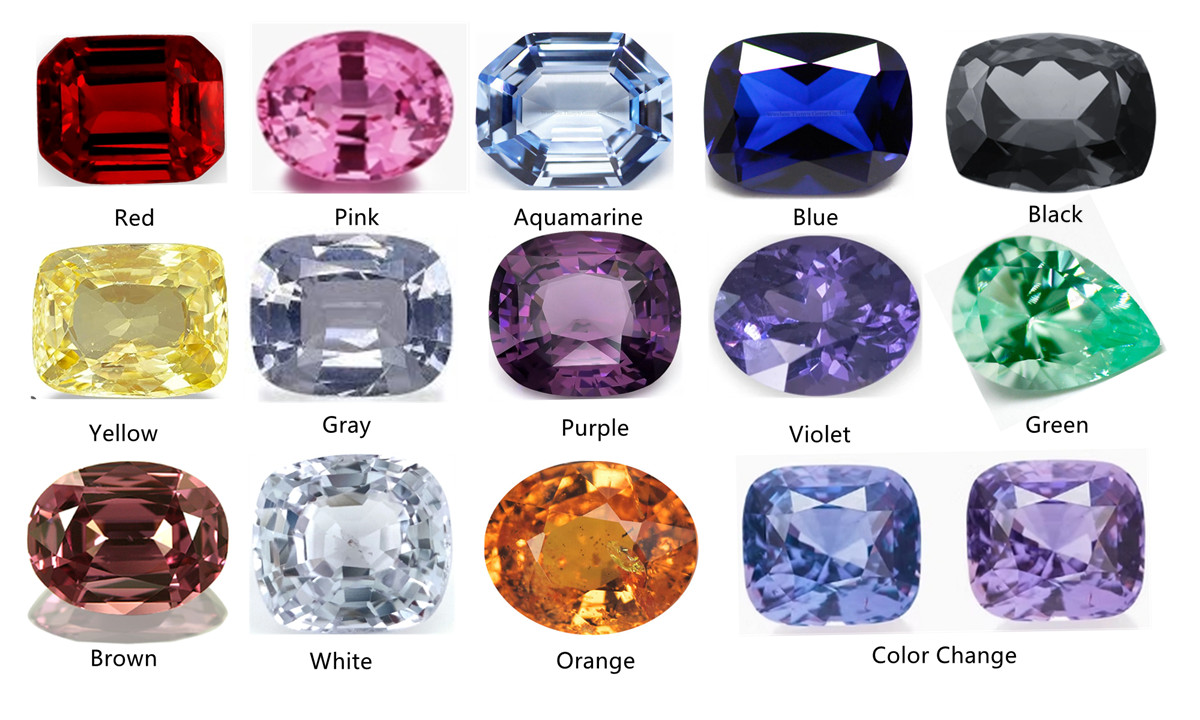
The Different Colors of Spinel: A Spectrum of Beauty
Spinel is celebrated for its remarkable color range, offering a spectrum of hues that make it one of the most versatile gemstones in the jewelry world. From vivid reds to deep blues, spinel’s colors are both striking and varied, with each shade possessing its unique allure. Let’s explore the different colors of spinel and what makes each one special.
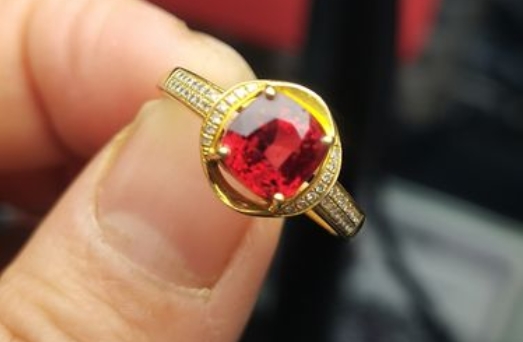
Red Spinel: The Fiery Gem of Distinction
Red spinel exudes elegance and vibrancy, making it one of the most sought-after gems in fine jewelry. Its captivating deep red hue rivals the ruby's, and for centuries, it was often mistaken for its more famous counterpart. However, red spinel has now earned its own rightful place in the gemstone world, prized for its beauty and rarity.
Color and Appeal
The rich red color of spinel is caused by trace amounts of chromium, similar to rubies, but red spinel tends to have a more vivid and pure red tone. From fiery scarlet to a deeper crimson, red spinel offers a diverse range of shades that stand out in both classic and contemporary jewelry designs. The gemstone's vibrant color and natural brilliance make it an eye-catching choice for engagement rings, necklaces, and earrings.
Rarity and Value
Red spinel is relatively rare, especially in large, high-quality stones. This rarity, combined with its brilliant color and clarity, makes it a valuable gemstone. Spinel’s increasing recognition in the gem world ensures its place as a fiery gem of distinction in high-end jewelry collections.
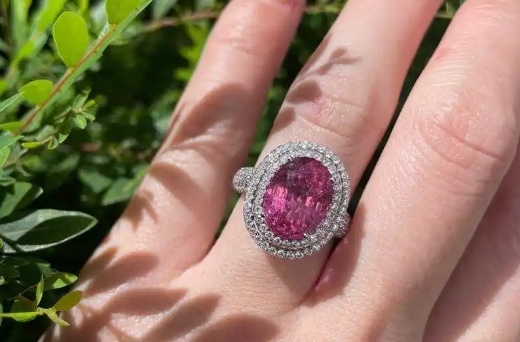
Pink Spinel: The Delicate Gem of Elegance
Pink spinel is a gemstone that embodies grace, charm, and sophistication. Known for its delicate pink hues, it is a perfect choice for those seeking a refined and elegant alternative to other gemstones like pink sapphire or diamond. Its subtle beauty and excellent durability make pink spinel stand out in fine jewelry.
Color and Charm
The pink color of spinel results from trace amounts of chromium, similar to its red counterparts but with a lighter, softer shade. Pink spinel can range from soft pastel pinks to more intense, vivid tones. This wide spectrum of shades ensures that there is a pink spinel for every style, whether you prefer a light, romantic hue or a deeper, bolder pink. The gem's clarity enhances its beauty, allowing the color to shine through, making it a favorite for engagement rings, pendants, and earrings.
Rarity and Value
While pink spinel is rarer than other, more common pink gemstones, its increasing popularity has driven demand, making it a valuable addition to any jewelry collection. Its exceptional color and durability make it a timeless gem, one that will remain a prized possession for years to come.
Pink spinel offers a unique combination of elegance, durability, and rarity, making it a sophisticated choice for those looking to add a touch of delicate beauty to their jewelry.
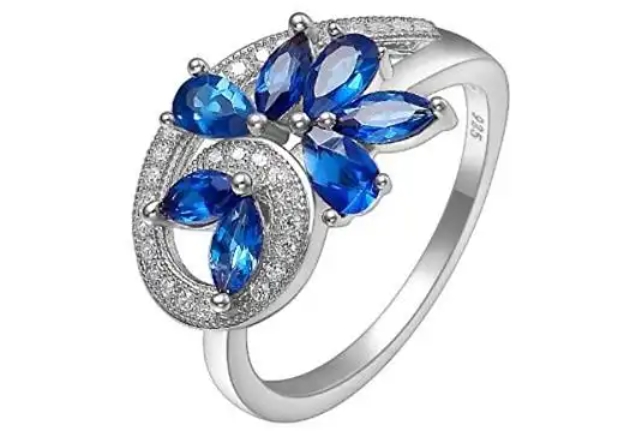
Blue Spinel: The Sapphire Rival of Serenity
Blue spinel is a gemstone that captures the calm, serene beauty of the ocean with its stunning shades of blue. Often compared to sapphires due to its vivid color and clarity, blue spinel has recently gained recognition as a rival to its more famous counterpart. With its vibrant hue, excellent durability, and increasing rarity, blue spinel is quickly becoming a sought-after gem in high-end jewelry.
Color and Beauty
Blue spinel is renowned for its rich, vibrant blue color caused by trace amounts of cobalt. The color can range from lighter, icy blues to deep, cobalt blues, offering a range of options for those seeking a unique alternative to sapphire. The gemstone’s natural brilliance and clarity enhance the color, creating a captivating, sparkling effect that catches the light beautifully. The intense blue of blue spinel is both sophisticated and serene, making it ideal for everything from engagement rings to statement necklaces.
Rarity and Value
Blue spinel is rarer than sapphire, particularly in larger, high-quality stones. This rarity makes it a valuable gem in the jewelry market, and its increasing popularity has only added to its appeal. Blue spinel's affordability, compared to sapphires, further elevates its status as a gemstone of distinction for those who want a unique and beautiful piece at a more accessible price point.
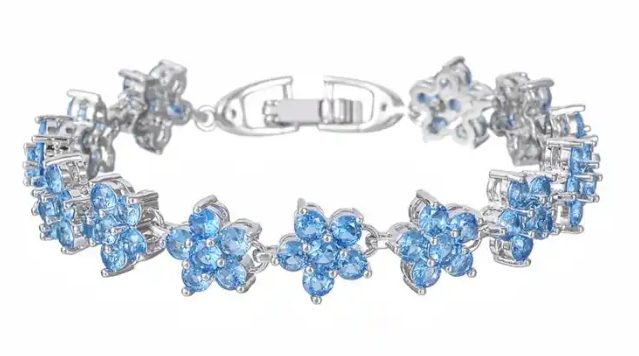
Aquamarine-Like Blue Spinel: The Gem of Sea-Inspired Serenity
Aquamarine-like blue spinel is a stunning gemstone that evokes the tranquil beauty of the ocean. It combines the serene, soothing hues of aquamarine with the brilliance and durability of spinel. Known for its vibrant, bluish tones that closely resemble the calming shades of seawater, this gemstone is gaining popularity in fine jewelry for those who seek a refreshing and unique alternative to more common blue gemstones. Its captivating color and exceptional qualities make aquamarine-like blue spinel a true gem of serenity.
Color and Beauty
The color of aquamarine-like blue spinel is what truly sets it apart. Its soft yet vibrant blue hues are reminiscent of the ocean’s clear waters, ranging from light, pastel blues to deeper, more intense oceanic tones. The color is often compared to aquamarine, but spinel offers a distinct brilliance and fire that enhances its appearance. The clarity and brightness of blue spinel allow light to dance off its facets, creating a captivating sparkle that is both calming and captivating. This serene blue color makes aquamarine-like blue spinel an ideal gemstone for those drawn to the peaceful, refreshing tones of the sea.
Rarity and Value
Aquamarine-like blue spinel is a relatively rare gemstone, especially in larger stones or those with exceptional color and clarity. While blue spinel is often more affordable than aquamarine or sapphire, top-quality specimens—especially those with vivid, ocean-inspired hues—can command higher prices. The rarity of vibrant blue spinel and its growing demand contribute to its increasing value in the gemstone market. Blue spinel is an attractive alternative for those seeking the beauty of aquamarine at a more affordable price while still enjoying the luxury and brilliance that spinel provides.
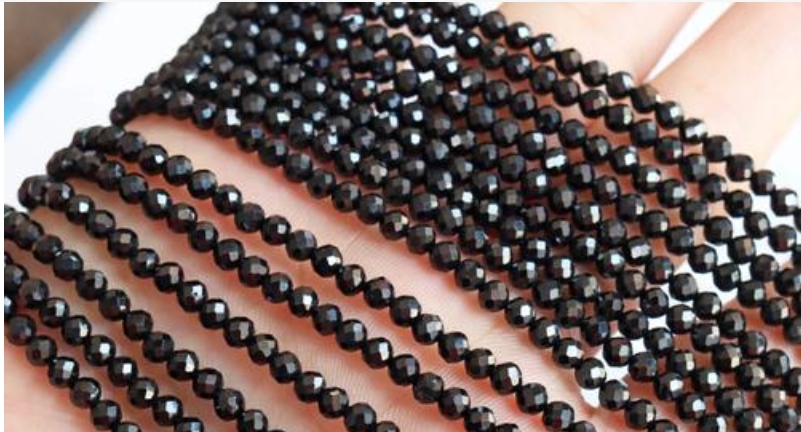
Black Spinel: The Bold Gem of Mystery
Black spinel is a striking and mysterious gemstone that adds a bold touch to any jewelry collection. Known for its deep, jet-black color and exceptional shine, black spinel is an alternative to more traditional gemstones like black diamonds. Its elegance and versatility make it an increasingly popular choice in modern jewelry designs.
Color and Aesthetic
The rich black color of spinel is its most defining feature. Unlike other black gemstones, which can sometimes appear dull, black spinel has a unique ability to reflect light, thanks to its high brilliance and excellent clarity. The gem's opaque appearance, combined with its smooth, glassy surface, gives it a sleek, polished look that enhances the beauty of any piece. Whether used in rings, necklaces, or earrings, black spinel adds a sophisticated, bold statement to any design.
Affordability and Rarity
While black diamonds often come with a hefty price tag, black spinel is more affordable for those looking to create stunning jewelry without breaking the bank. Its availability in larger sizes, combined with its affordability, makes it an attractive option for those looking for statement pieces that don’t compromise on elegance or boldness.
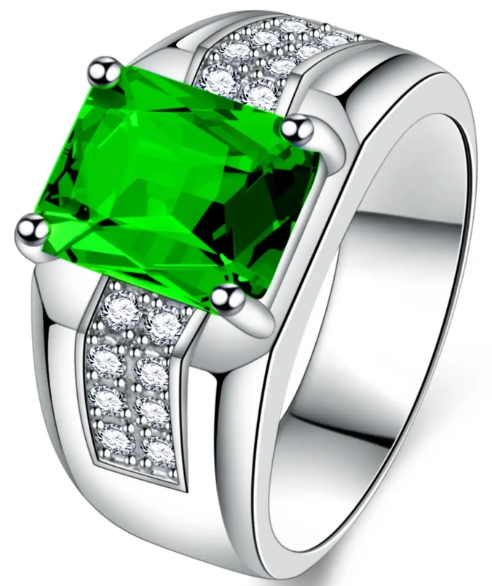
Green Spinel: The Rare Gem of Verdant Beauty
Green spinel is a captivating gemstone that offers a fresh, verdant beauty, often overlooked in colored gemstones. With its vibrant green hues, ranging from soft minty greens to deep, rich emerald tones, green spinel is a unique and rare find. Its rarity and stunning color make it an increasingly popular choice among collectors and jewelry enthusiasts who seek something different from traditional green gemstones like emeralds.
Color and Appeal
The green color of spinel is the result of the presence of trace elements like chromium and iron. The color can vary widely, from light pastel greens to more intense, deep shades of forest or olive green. The gemstone’s clarity and brilliance enhance its color, creating a striking, radiant effect. Unlike emeralds, which often have inclusions that affect their transparency, green spinel typically has a high level of clarity, allowing the color to shine through vividly and without obstruction.
Rarity and Value
Green spinel is rare, particularly in high-quality specimens with rich, vibrant colors. This rarity and its unique beauty make it a prized gemstone among collectors and those seeking distinctive jewelry pieces. While green spinel is generally more affordable than emeralds, top-quality green spinels, especially those with intense color and clarity, can command a high price, making them a valuable addition to any collection.
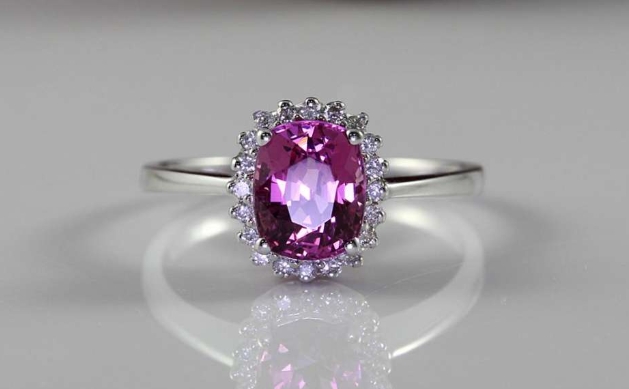
Purple Spinel: The Regal Gem of Mystique
Purple spinel is a gemstone that combines both mystique and elegance, making it a captivating choice for those seeking a unique and royal touch in their jewelry. Its rich, regal purple hues, ranging from soft lilacs to deep violet tones, give it an aura of sophistication and mystery. Often overlooked in favor of more popular gemstones like amethyst, purple spinel is gaining recognition for its rarity, beauty, and durability.
Color and Elegance
Purple spinel is influenced by trace elements like cobalt and iron, which produce stunning shades of purple. The stone can range from light lavender to intense, deep violet, often displaying a vivid, almost jewel-like hue that catches the eye. What makes purple spinel particularly desirable is its brilliance and clarity. Unlike many other purple gemstones, purple spinel often comes with minimal inclusions, allowing its rich color and sparkle to shine through with exceptional clarity.
Rarity and Value
Purple spinel is considered rare, especially in larger stones or those with the most vibrant color. This rarity, combined with its brilliant hue, makes it a valuable gemstone. While it may be more affordable than other regal stones like amethyst or even tanzanite, top-quality purple spinel can still command a premium price, especially from well-known sources. Its increasing popularity among gemstone collectors and jewelry enthusiasts is a testament to its rising value.
Yellow Spinel: The Radiant Gem of Sunshine
Yellow spinel is a vibrant and cheerful gemstone that captures the essence of sunlight, making it a brilliant choice for those who desire a gemstone full of life and energy. Known for its bright, radiant yellow hues, yellow spinel combines elegance with a refreshing vibrancy, making it an excellent alternative to yellow gemstones like sapphire or citrine. Its sparkle and clarity make it a standout gem in any jewelry design.
Color and Brilliance
The color of yellow spinel is a result of trace elements such as iron, which give it its striking yellow tones. The color can range from soft, pale yellow to more intense, golden hues, often reminiscent of the warm glow of sunshine. Yellow spinel is particularly admired for its brilliance and high refractive index, reflecting light beautifully, creating an eye-catching sparkle. This captivating light performance enhances the gemstone's overall beauty, making it an attractive choice for various types of jewelry.
Rarity and Value
While yellow spinel is rarer than some other yellow gemstones, it is gaining popularity due to its unique combination of color, brilliance, and durability. Top-quality yellow spinel stones, especially those with vibrant, golden hues, can be quite valuable, though they are generally more affordable than their counterparts, like yellow sapphire. The rarity of yellow spinel in larger sizes and its increasing demand in fine jewelry contribute to its growing recognition and value in the gem market.
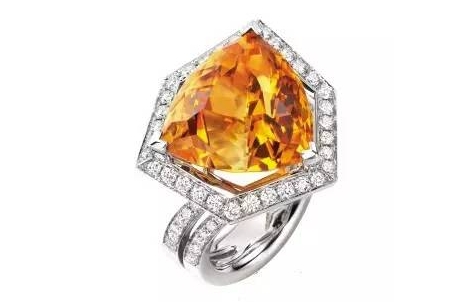
Orange Spinel: The Warm Gem of Vibrancy
Orange spinel radiates warmth and energy, capturing the eye with its vibrant, fiery hues. This lively gem is increasingly admired for its striking color, which ranges from soft peach tones to deep, rich orange shades. With its brilliance and captivating beauty, orange spinel offers a fresh, dynamic alternative to other orange gemstones like garnet or citrine. Its fiery appearance makes it an excellent choice for creating bold and unique jewelry pieces.
Color and Appeal
Trace amounts of iron and chromium cause orange spinel to have a range of stunning orange shades. From pale, peachy tones to intense, burnt orange hues, orange spinel offers a variety of options for those seeking a warm and vibrant gemstone. The color is often compared to the glow of a sunset, providing a striking and energetic aesthetic that draws attention without being overwhelming. The gem’s brilliance and clarity further enhance its vibrant color, making it a dazzling choice for statement jewelry.
Rarity and Value
Orange spinel is rare compared to other colored gemstones, particularly in larger, high-quality stones. Its scarcity and striking beauty contribute to its increasing value in the gemstone market. While still more affordable than other gemstones like diamonds or top-quality orange sapphires, orange spinel can command a premium price, especially when it displays the most vibrant and intense hues. The growing recognition of orange spinel as a unique and desirable gem further enhances its value.
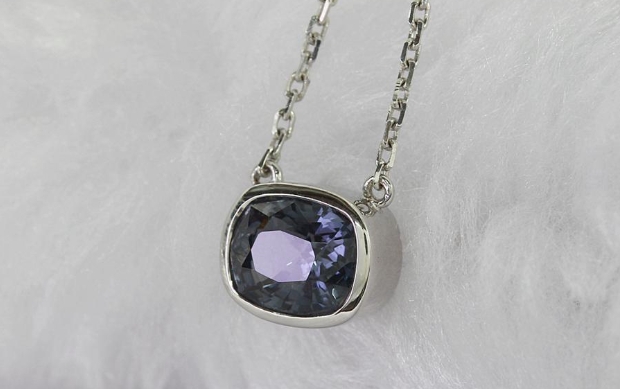
Grey Spinel: The Sophisticated Gem of Subtlety
Grey spinel is a gem that embodies elegance and refinement, offering a soft yet striking alternative to more common gemstones. With its subtle, neutral tones ranging from light silvery greys to deeper, charcoal hues, grey spinel brings a sophisticated touch to any jewelry collection. Its understated beauty, durability, and brilliance make it a perfect choice for those looking for a gem that exudes quiet luxury.
Color and Charm
The color of gray spinel comes from trace elements such as iron and titanium, which give it its distinctive gray shades. The gem can range from pale silver to darker gunmetal and graphite hues, offering a wide spectrum of options for those seeking a more muted, versatile gemstone. The clarity and brilliance of gray spinel allow its color to shine subtly, creating a gemstone that complements any setting without overwhelming it. Its neutral tone makes it an excellent choice for those who appreciate understated beauty, perfect for contemporary and classic jewelry designs.
Rarity and Value
Grey spinel is rare compared to other spinel colors, especially in larger stones or those with exceptional color quality. While it may not be as widely recognized as some of the more vibrant spinel varieties, its rarity and understated charm make it a valuable addition to any collection. Grey spinel is typically more affordable than diamonds or other rarer gemstones, but top-quality stones can command a premium price due to their elegance and unique appearance.
Violet Spinel: The Enchanting Gem of Depth
Violet spinel is a mesmerizing and enchanting gemstone known for its deep, rich hues and captivating allure. With colors ranging from soft lavender to deep violet, violet spinel combines the elegance of purple with the depth of blue, creating a gemstone that is both mysterious and alluring. Known for its rarity, brilliance, and striking color, violet spinel is becoming a coveted choice for those seeking a unique and luxurious addition to their jewelry collection.
Color and Beauty
The color of violet spinel is primarily influenced by trace elements like iron and chromium, which give the gemstone its signature violet shades. These colors can vary from pale, pastel lavenders to more intense, dark violet tones that seem to shift in different lighting. The richness of the violet spinel's color, combined with its exceptional clarity, gives it a vivid, almost glowing appearance. The stone's ability to reflect light beautifully enhances its depth, creating an entrancing sparkle that draws the eye and makes it a standout piece in any jewelry design.
Rarity and Value
Violet spinel is considered a rare gem, particularly in larger stones with intense color and high clarity. Its rarity and the increasing demand for unique gemstones have led to a rise in its value. While violet spinel is generally more affordable than some high-end colored gemstones like tanzanite or sapphire, top-quality specimens can still be expensive. The scarcity of exceptional violet spinels makes them a prized possession for gemstone collectors and fine jewelry enthusiasts alike.
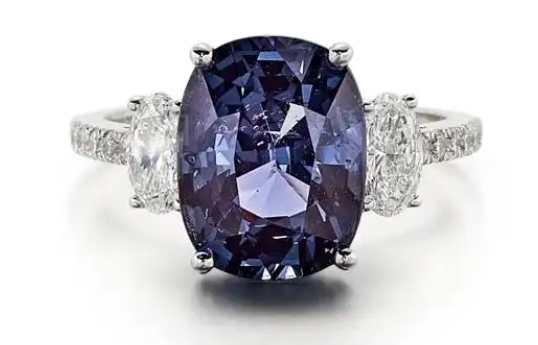
Color Change Spinel: The Chameleon Gem of Wonder
Color change spinel is one of the most fascinating gemstones in the world of fine jewelry, known for its unique ability to shift colors under different lighting conditions. This mesmerizing phenomenon makes color change spinel a true marvel for gemstone enthusiasts, offering a stunning display of versatility and wonder. Whether it's transitioning from bluish-purple to pinkish-red or from green to brown, color change spinel’s dynamic nature gives it an intriguing and magical quality that sets it apart from other gemstones.
Color and Transformation
The magic of color-changing spinel lies in its ability to exhibit different colors depending on the light source. In natural light, it may appear as a cool blue or violet, while it can shift to warmer shades of pink, red, or purple under incandescent light. This chameleon-like quality is due to the presence of trace elements such as chromium, which reacts differently to various types of light. The result is a gemstone that changes before your eyes, offering a visually stunning effect that makes it a unique addition to any jewelry collection.
Rarity and Value
Color-changing spinel is considered rare due to the specific conditions required to produce the effect. High-quality specimens, especially those with dramatic color shifts and clarity, are highly sought after and can command premium prices. While not as expensive as some of the most famous color-changing gemstones like alexandrite, top-quality color change spinels can still be quite valuable, especially when the color transformation is strong and distinct.
White Spinel: The Pure Gem of Clarity
White spinel is a gemstone that epitomizes purity and elegance, offering the brilliance and clarity of a diamond without the high price tag. Known for its sparkling, colorless appearance, white spinel has gained popularity in fine jewelry as an alternative to more expensive gemstones. Its exceptional clarity, durability, and affordability make it an excellent choice for those seeking a timeless, sophisticated stone with a clean, radiant aesthetic.
Color and Clarity
Unlike other colored spinels, white spinel is completely colorless, which allows it to showcase its exceptional clarity and brilliance. With its bright, translucent sparkle, it reflects light beautifully, much like a diamond. Its purity and transparency make it an ideal gemstone for those who prefer a classic, neutral stone that complements any jewelry design. White spinel is often used as an accent stone, though it also shines in solitaire settings, where its clarity can take center stage.
Rarity and Value
While white spinel is less common than colored spinels, it is still considered relatively affordable compared to other colorless gemstones like diamonds or white sapphires. Top-quality white spinel, especially those with excellent clarity and brilliance, can command a premium price. However, it remains an attractive alternative for those looking for a diamond-like appearance at a lower cost. Its rarity in larger stones, especially those with high clarity, adds to its value and appeal.
Spinel vs. Ruby and Sapphire: Understanding the Differences
Spinel, ruby, and sapphire are three of the most beloved gemstones in the world, prized for their brilliant colors and exceptional durability. While they share some similarities, they are distinct minerals with unique characteristics. Understanding the differences between these gemstones can help jewelry buyers and enthusiasts appreciate each one's special qualities.
1. Composition and Origins
Ruby is a variety of corundum, composed of aluminum oxide with chromium as the coloring agent. The presence of chromium gives rubies their iconic red color.
Sapphire, also a variety of corundum, can be found in a wide range of colors, though due to the presence of iron and titanium, it is most commonly associated with blue.
Spinel, on the other hand, is a magnesium aluminum oxide mineral. Trace elements like chromium (for red) and cobalt (for blue) cause it to be vividly colored, including red, blue, pink, and purple.
2. Color and Appearance
While ruby and spinel both come in shades of red, spinel often features a more vibrant and pure red, especially in higher-quality specimens. Rubies can sometimes have a slightly darker or more "brownish" red, especially under certain lighting. Additionally, spinel offers a broader spectrum of colors, from deep blue and purple to soft pinks and even orange, which rubies and sapphires do not.
Sapphires, known for their stunning blue hues, can also appear in various colors, from pale blue to deep royal blue. However, unlike spinel, sapphires rarely exhibit such a wide range of hues outside of blue.
3. Durability
All three gemstones are incredibly durable. Ruby and sapphire, both being varieties of corundum, rank 9 on the Mohs scale of hardness, making them ideal for use in everyday jewelry. Spinel ranks slightly lower at 8 on the Mohs scale, but it is still highly durable and suitable for daily wear. Spinel’s hardness allows it to resist scratches and retain its brilliance, though it may be slightly more prone to chipping than ruby and sapphire.
4. Rarity and Value
Rubies, especially high quality ones, can be significantly more expensive than spinel due to their rarity and demand. Sapphires also command high prices, particularly for fine blue specimens. While spinel was once considered a “poor man’s ruby,” it has gained recognition for its own beauty and rarity, especially in red and blue varieties. As a result, spinel has become an increasingly valuable gemstone, with top-quality specimens fetching high prices.
5. Treatments
Rubies and sapphires are often heat-treated to enhance their color and clarity. While spinel is occasionally treated to improve its color, it is much less commonly altered than rubies and sapphires. Most spinels on the market are natural, making them an attractive option for those seeking untreated gemstones.
How to Care for Your Spinel Jewelry
Spinel is a beautiful and durable gemstone, but like all fine jewelry, it requires proper care to maintain its brilliance and longevity. Here are some tips on how to properly care for your spinel jewelry:
1. Regular Cleaning
Clean your spinel jewelry regularly with mild soap and lukewarm water to keep it sparkling. Use a soft, non-abrasive cloth or a toothbrush with soft bristles to gently scrub away dirt and oils. Avoid harsh chemicals, such as bleach or ammonia, as they can damage the gemstone or metal setting.
2. Avoid Abrasive Surfaces
Spinel ranks 8 on the Mohs scale of hardness, which makes it fairly resistant to scratches. However, it is still vulnerable to damage from harder substances. To prevent scratching, avoid placing your spinel jewelry on hard surfaces and store it in a soft cloth pouch or jewelry box.
3. Store Properly
When not wearing your spinel jewelry, keep it in a separate compartment or a padded jewelry box. This prevents it from rubbing against other jewelry and minimizes the risk of scratching or other damage.
4. Protect from Harsh Chemicals
Spinel is less prone to treatment enhancements than other gemstones, but exposure to harsh chemicals, such as perfume, lotions, or cleaning products, can affect its luster. Remove your jewelry before applying cosmetics or cleaning products to ensure it looks its best.
5. Take Care During Physical Activities
While spinel is durable, it’s always a good idea to remove jewelry before engaging in physical activities, such as exercising, cleaning, or gardening, to avoid accidental damage or chemical exposure.
By following these simple care tips, you can ensure your spinel jewelry remains stunning and intact for many years to come.
Conclusion: Why Spinel Should Be on Your Radar
Spinel is truly a hidden gem that deserves a prominent place in your jewelry collection. With its rich history, unique characteristics, and stunning array of colors, spinel offers a captivating alternative to more traditional gemstones. Its exceptional durability and brilliant sparkle make it an ideal choice for everyday wear, while its affordability and growing popularity add to its appeal as a valuable and collectible gemstone.
Whether you are a seasoned collector or a first-time jewelry buyer, understanding the allure of spinel can elevate your collection and make your next accessory purchase a statement piece that truly stands out. By choosing spinel, you can enjoy the beauty and elegance of a rare and unique gemstone while also making a savvy financial decision. As the world of jewelry continues to embrace lesser-known gems, now is the perfect time to explore the charm and allure of spinel. Unlock the beauty of spinel and discover why this hidden gem deserves a significant spot in your jewelry box.
