



How to Choose the Right Gemstone Cut: A Complete Guide to Sparkle, Size, Durability, and Style
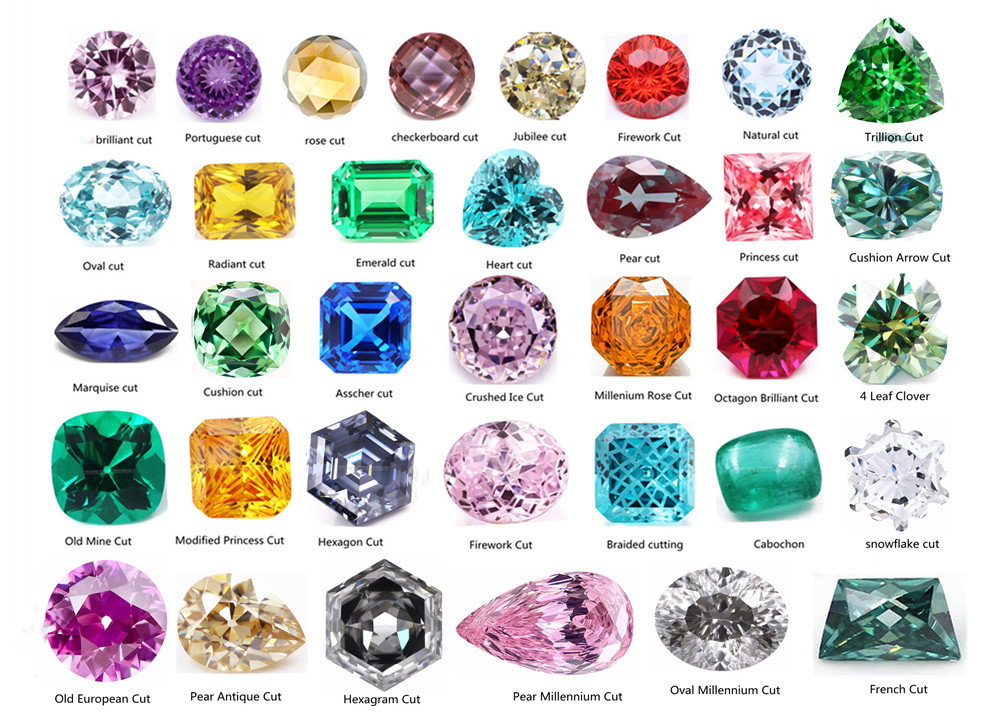
When shopping for gemstone jewelry, many buyers focus first on color, carat weight, or price. Yet the cut is often the factor that brings a gemstone to life. It influences how the stone reflects light, how large it appears, how well it suits daily wear, and how well it matches a buyer’s personal style. In other words, the right cut does more than shape a gem — it shapes the entire character of the finished jewelry piece.
Many shoppers also use the words *cut* and *shape* interchangeably, but they are not exactly the same. Shape refers to the outline of the gemstone, such as round, oval, or pear. Cut also includes the arrangement of facets, proportions, symmetry, and polish, all of which affect brilliance, fire, and overall beauty. Understanding this difference helps customers make more informed and confident buying decisions.
Why Gemstone Cut Matters
According to GIA, cut quality affects brightness, fire, and scintillation — the three visual effects that create sparkle and life in a gemstone. A stone may have a beautiful color or impressive clarity, but if the cut is poor, it can still appear dark, dull, or less lively than expected. This is why cut is one of the most important factors in a gemstone’s visual appeal.
Cut also affects face-up size and style. Some shapes, especially elongated ones like oval, pear, and marquise, can appear larger than round stones of similar weight. Other cuts may place more emphasis on color, clarity, symmetry, or a refined “hall-of-mirrors” look rather than maximum sparkle. The best cut is not always the most brilliant one — it is the one that best suits the gemstone material, the jewelry type, and the customer’s priorities.
For colored gemstones, the cut can be even more important because cutters often need to balance brilliance, color distribution, clarity, and weight retention simultaneously. GIA notes that mixed cuts are often used to help even out color, while certain optical gems, such as star stones and cat’s-eye gems, require cabochon-style cutting rather than standard faceting to display their special effects properly.
What Customers Should Consider Before Choosing a Cut
Before choosing a gemstone cut, customers should consider what they value most visually. If sparkle is the top priority, brilliant-style cuts such as round, oval, radiant, and some cushion cuts are usually strong choices. If the goal is a cleaner, more elegant look that emphasizes color and clarity, step cuts such as emerald and Asscher can be more suitable.
Wearability matters just as much as beauty. GIA’s durability guidance explains that jewelry design should account for hardness, toughness, stability, and the vulnerable areas of a stone, such as sharp corners, thin girdles, or exposed tips. This is especially important for rings that will be worn every day. A cut that looks beautiful in a pendant or pair of earrings may need additional protection if used in a daily-wear ring.
Customers should also think about personal style. Some cuts feel timeless and familiar, while others feel bold, romantic, vintage-inspired, or artistic. The right choice often comes down to the balance between sparkle, size, appearance, durability, and design personality.
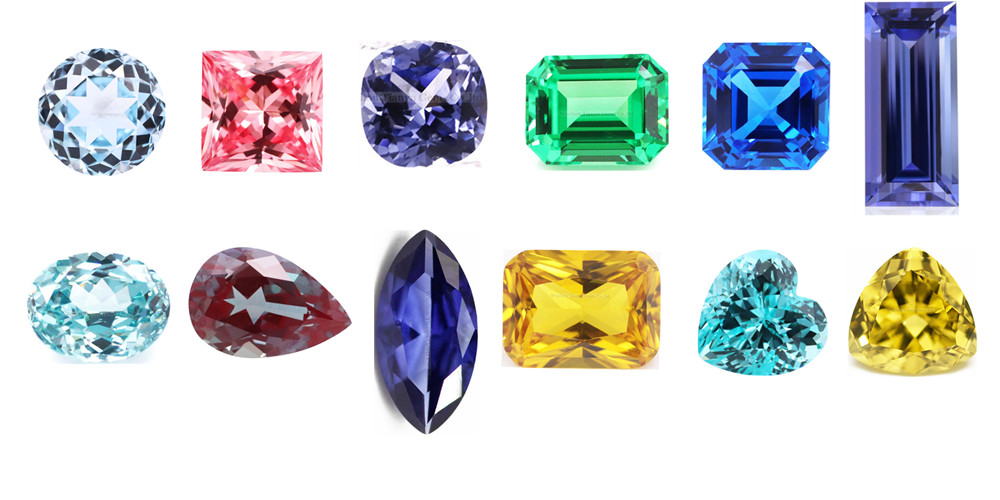
Main Types of Gemstone Cuts
The original guide organizes gemstone cuts into several major groups, including brilliant cuts, step cuts, mixed cuts, fancy cuts, and more unconventional styles. Each category creates a different visual effect and suits different types of gemstones and jewelry designs.
Brilliant cuts: Round, Princess, and Cushion
Brilliant cuts are designed to maximize a gemstone’s sparkle and fire, making them some of the most sought-after choices in the world of fine jewelry. Let’s explore three of the most popular brilliant cuts: Round, Princess, and Cushion.
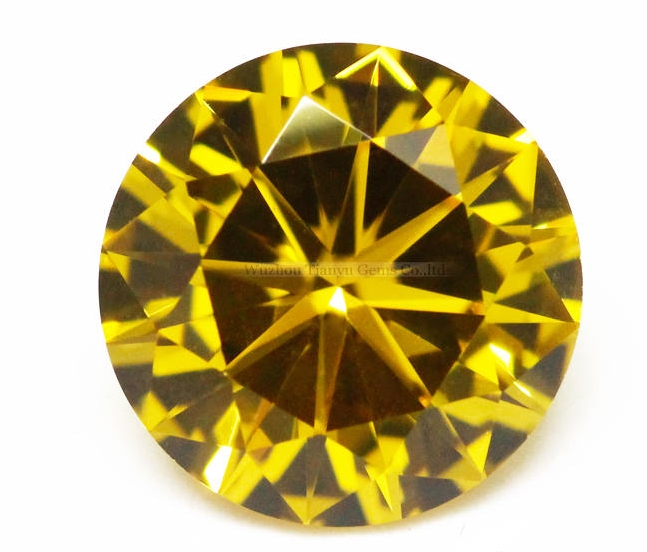
Round Brilliant Cut: The Classic Sparkler
Characteristics & Appeal: The round brilliant cut is the most iconic and widely recognized of all gemstone cuts. With 58 precisely angled facets, this cut is engineered to reflect the maximum amount of light, creating unparalleled brilliance and fire. Its perfectly symmetrical, circular shape enhances the stone’s sparkle from every angle, making it the preferred choice for engagement rings and other special pieces. The round brilliant cut’s timeless elegance and unmatched radiance make it a perennial favorite for those who desire classic beauty.
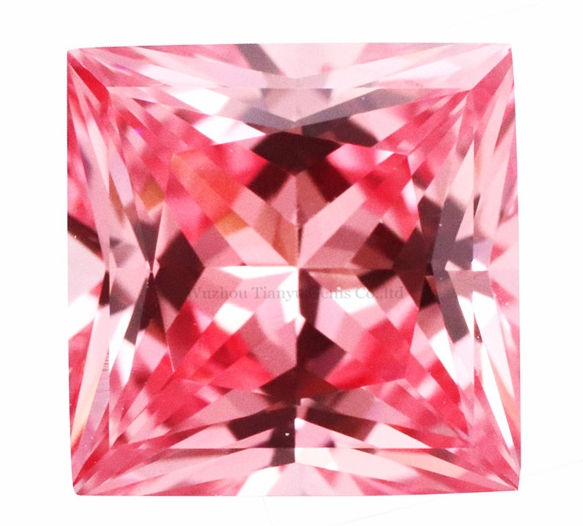
Princess Cut: Modern Brilliance
Characteristics & Appeal: The princess cut is a square or rectangular shape known for its sharp, angular corners and brilliant sparkle. It typically features 57 or 76 facets, which work to create a fiery display of light, similar to the round brilliant cut. The princess cut is beloved for its modern, sophisticated look, offering a blend of classic brilliance with a contemporary edge. This cut is especially popular in engagement rings and other jewelry where a clean, geometric aesthetic is desired.
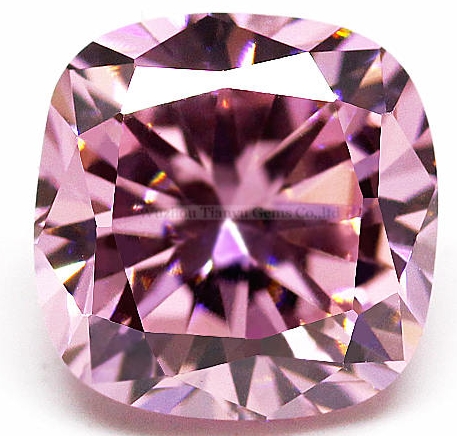
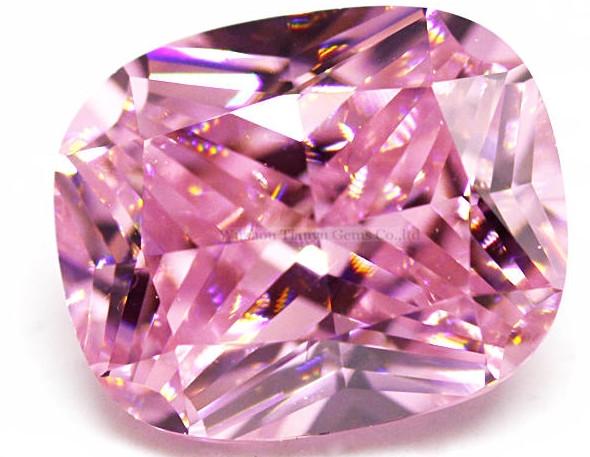
Cushion Cut: Vintage Elegance
Characteristics & Appeal: The cushion cut, also known as the "pillow cut," combines the brilliance of a round cut with the soft, rounded edges of a square or rectangular shape. This cut typically features large facets that enhance the stone’s clarity and brilliance while producing a warm, romantic glow. The cushion cut is often associated with vintage and antique-inspired jewelry, but its timeless appeal makes it a versatile choice for both classic and modern designs. Its soft, rounded corners and charming sparkle make the cushion cut a favorite for those seeking a blend of elegance and tradition.
Step cuts: Emerald, Asscher, and Baguette
Step cuts are known for their clean lines, understated elegance, and ability to highlight a gemstone’s clarity and color. Unlike brilliant cuts, which emphasize sparkle, step cuts create a unique play of light and shadow through their large, flat facets. Let’s explore three of the most popular step cuts: Emerald, Asscher, and Baguette.
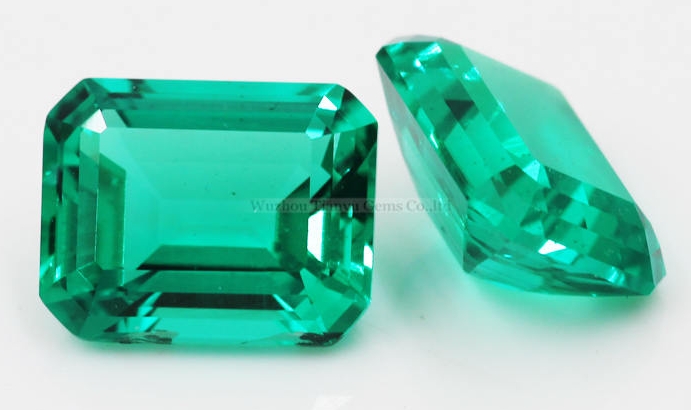
Emerald Cut: Sophisticated Simplicity
Characteristics & Appeal: The emerald cut is a rectangular shape with long, parallel step facets that create a "hall of mirrors" effect, emphasizing depth and clarity. This cut features a large, open table and cropped corners, giving it a distinctive and elegant appearance. The emerald cut is particularly well-suited for gemstones with high clarity, as its faceting style highlights any inclusions or imperfections. Known for its sophisticated and timeless appeal, the emerald cut is a favorite for those who appreciate a classic and refined look.
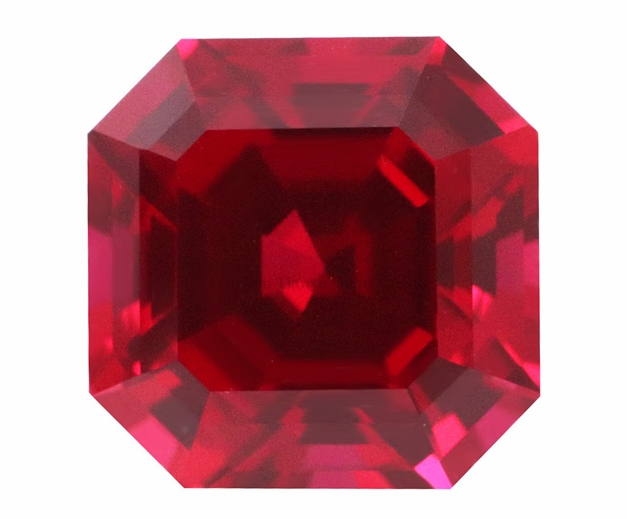
Asscher Cut: Vintage Art Deco Glamour
Characteristics & Appeal: The Asscher cut is a square-shaped step cut with deeply trimmed corners, giving it an octagonal appearance. Similar to the emerald cut, the Asscher cut features large step facets and a high crown, creating a mesmerizing "hall of mirrors" effect. This cut gained popularity during the Art Deco period and is prized for its vintage charm and bold, geometric lines. The Asscher cut is ideal for those who appreciate antique-inspired designs and the glamour of the early 20th century.
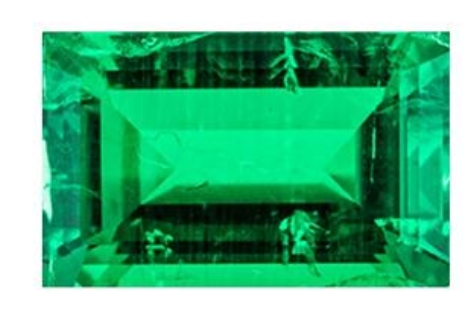
Baguette Cut: Sleek and Minimalist
Characteristics & Appeal: The baguette cut is a long, rectangular shape with straight, parallel facets. It is often used as an accent stone in jewelry, complementing larger center stones or adding a sleek, linear element to the design. Baguette cuts are known for their clean, minimalist aesthetic, making them a popular choice for modern and sophisticated jewelry. While they lack the brilliance of other cuts, baguette-cut stones offer a refined and elegant look that appeals to those who prefer simplicity and subtlety.
Mixed cuts: Oval, Pear, and Marquise
Mixed cuts combine the brilliance of round cuts with the elongated shapes and unique profiles of step cuts, offering a blend of sparkle and distinctive form. These cuts are popular for their ability to maximize the appearance of size and create a striking presence. Let’s explore three of the most popular mixed cuts: Oval, Pear, and Marquise.
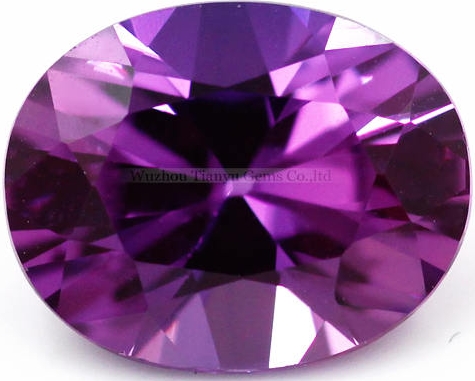
Oval Cut: Elegant and Versatile
Characteristics & Appeal: The oval cut is an elongated version of the round brilliant cut, featuring 56 to 58 facets that enhance the stone’s brilliance while creating a soft, elegant shape. The oval cut’s elongated form makes the gemstone appear larger than its actual carat weight, and it also has a slimming effect on the fingers when worn in rings. This cut is versatile, offering a balance between classic and contemporary styles, making it a popular choice for engagement rings and other fine jewelry.
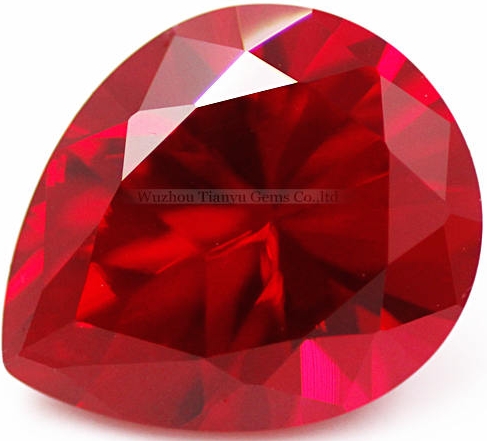
Pear Cut: Graceful and Unique
Characteristics & Appeal: The pear cut, also known as the teardrop cut, combines the brilliance of a round cut with the unique shape of a pointed, elongated end. This cut features 56 to 58 facets, creating a dazzling sparkle that draws the eye. The pear shape is distinctive and elegant, offering a blend of tradition and individuality. It’s often chosen for its versatility, as it can be worn with the point facing up or down, and is particularly striking in pendants and earrings as well as rings.
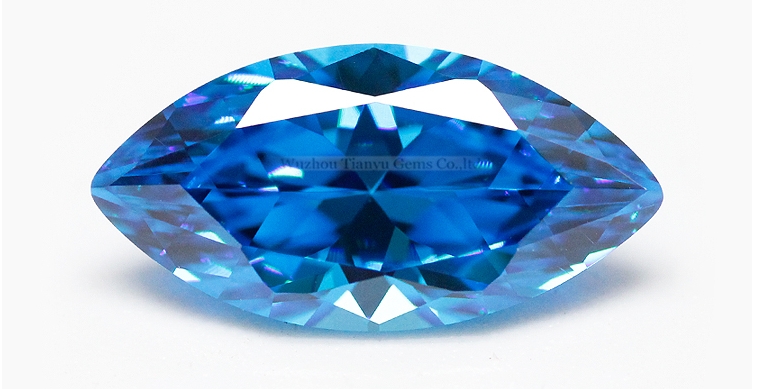
Marquise Cut: Dramatic and Regal
Characteristics & Appeal: The marquise cut is an elongated shape with pointed ends, featuring 58 facets that enhance the stone’s brilliance. This cut is known for its dramatic, regal appearance and its ability to maximize carat weight, making the gemstone appear larger. The marquise cut’s unique shape creates a bold statement and has the added benefit of elongating the fingers when worn as a ring. Its eye-catching design is perfect for those seeking a distinctive and luxurious look.
Fancy cuts: Heart, Trilliant, and Radiant
Fancy cuts are designed for those who seek unique and eye-catching shapes in their gemstones, offering a distinctive look that stands out from more traditional cuts. These cuts combine intricate faceting with bold shapes, creating gemstones that are as expressive as they are beautiful. Let’s explore three of the most popular fancy cuts: Heart, Trilliant, and Radiant.
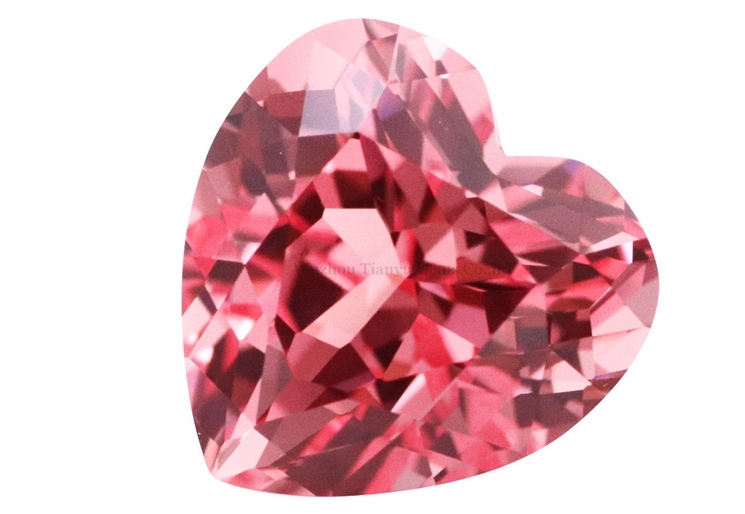
Heart Cut: Symbolic and Romantic
Characteristics & Appeal: The heart cut is the ultimate symbol of love and romance, featuring a distinctive shape with a cleft at the top and a pointed bottom. This cut typically has 56 to 58 facets, which enhance the stone’s brilliance while maintaining its unique silhouette. The heart cut is perfect for those seeking a gemstone with personal significance, making it a popular choice for engagement rings, pendants, and other sentimental jewelry pieces. Its romantic shape is both bold and charming, appealing to those who want their jewelry to carry a deep, symbolic meaning.
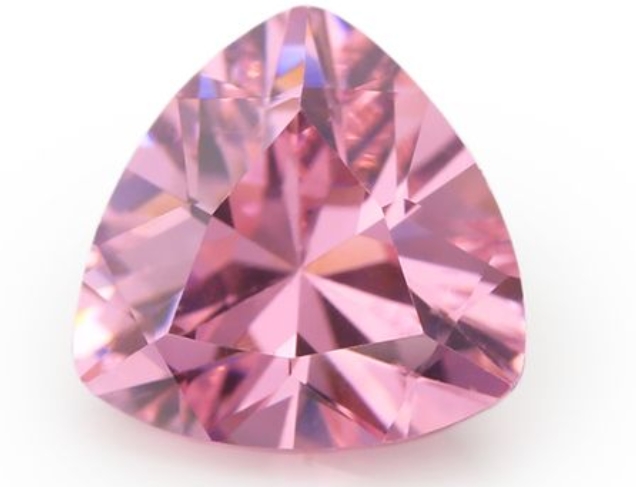
Trilliant Cut: Bold and Modern
Characteristics & Appeal: The trilliant cut, also known as the trillion cut, is a triangular shape with typically 31 to 50 facets, depending on whether the stone is cut with curved or straight edges. This cut is known for its striking, modern appearance and its ability to maximize brilliance, especially when used as an accent stone. The trilliant cut’s sharp angles and bold geometry make it a favorite for those who appreciate contemporary designs and a touch of avant-garde style. It’s often used in side stones to complement larger center stones, but it can also stand alone as a distinctive centerpiece.
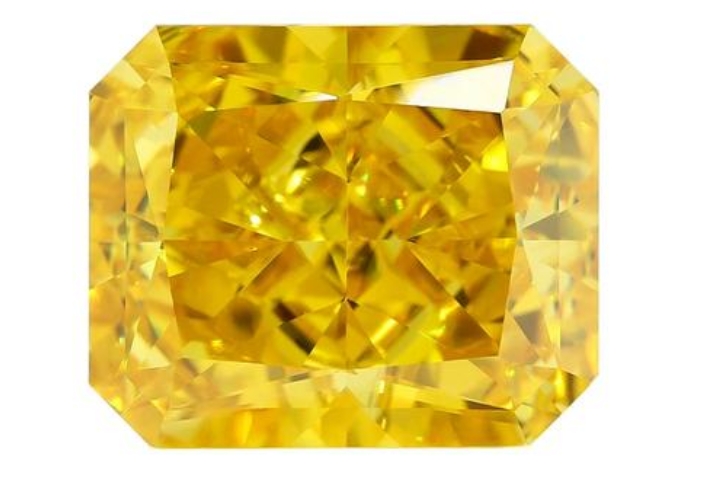
Radiant Cut: Brilliant and Versatile
Characteristics & Appeal: The radiant cut is a hybrid cut that combines the best features of the emerald and round brilliant cuts. It has a rectangular or square shape with beveled corners and typically 70 facets, designed to maximize brilliance while retaining the elegant shape of a step cut. The radiant cut is celebrated for its versatility, offering a blend of modern sparkle with classic lines. It’s a popular choice for those who want the brilliance of a round cut but with a more unique and structured shape. The radiant cut’s ability to complement a variety of settings and designs makes it a favorite for engagement rings and other fine jewelry.
Gemstone Cut Comparison Table
The table below compares common gemstone cuts by suitable gemstone types, visual effect, practical wear durability, ideal customer profile, and buying advice. In this table, durability refers to how practical and secure a cut is for jewelry wear based on its outline, corners, and setting needs — not just the hardness of the gemstone material itself.
| Cut Type | Best Suited Gemstones | Visual Effect | Durability | Best For | Buying Advice |
| Round Brilliant | Diamond, moissanite, white sapphire, colorless topaz | Maximum sparkle, bright, timeless, highly symmetrical | High | Buyers who want a classic, safe, and versatile choice | A great option if the customer wants the most sparkle and an easy everyday style. Ideal for engagement rings and daily-wear jewelry. |
| Princess Cut | Diamond, moissanite, sapphire, spinel | Modern, sharp, geometric, lively brilliance | Medium | People who like clean lines and contemporary styles | Check that the corners are well protected by prongs or the setting, as pointed corners are more vulnerable to damage. |
| Cushion Cut | Diamond, moissanite, sapphire, ruby, morganite, spinel | Soft, romantic, vintage-inspired, balanced brilliance | Medium-High | Customers who want a softer look with some sparkle and character | A strong choice for buyers who want something more distinctive than round, but still classic and wearable. |
| Emerald Cut | Emerald, aquamarine, morganite, diamond, white sapphire, clean tourmaline | Elegant, refined, hall-of-mirrors effect, emphasizes clarity and color | Medium | Buyers who prefer understated luxury and a clean, sophisticated look | Best for gemstones with good clarity, since inclusions are easier to see in this cut. | |
| Asscher Cut | Diamond, moissanite, aquamarine, morganite, high-clarity colored stones | Vintage glamour, geometric symmetry, layered step-cut look | Medium | Fans of Art Deco style and structured elegance | Focus on symmetry, clarity, and crisp faceting when choosing this cut. |
| Baguette Cut | Diamond, white gemstones, sapphire, often used as accent stones | Sleek, minimalist, elongated, subtle sparkle | Medium-Low | Customers who like minimalist or architectural jewelry | Usually better as a side stone or accent rather than a main stone for most buyers. |
| Oval Cut | Diamond, moissanite, sapphire, ruby, spinel, tourmaline | Elongated, elegant, flattering, appears larger than round stones of similar weight | Medium-High | Buyers who want a larger look and a finger-lengthening effect | A popular choice for customers who want sparkle with a more unique shape. |
| Pear Cut | Diamond, moissanite, sapphire, ruby, aquamarine, tanzanite | Graceful, distinctive, elongating, elegant with strong visual personality | Medium | Customers who want something feminine, elegant, and less traditional | Protect the pointed tip carefully. Excellent for pendants and earrings as well as statement rings. |
| Marquise Cut | Diamond, moissanite, sapphire, ruby, spinel | Dramatic, elongated, very size-enhancing, bold appearance | Medium-Low | Buyers who want maximum finger-lengthening and a standout look | The pointed ends need good protection. Best for customers who value visual size and uniqueness. |
| Heart Cut | Diamond, moissanite, pink sapphire, garnet | Romantic, symbolic, playful, highly recognizable | Medium-Low | Gift buyers and customers who value emotional meaning or special occasions | Make sure the two halves are balanced and the cleft is well defined. Best for sentimental or themed jewelry. |
| Trilliant / Trillion Cut | Diamond, sapphire, spinel, garnet, often used as side stones | Sharp, edgy, modern, eye-catching | Low | Customers who like bold, fashion-forward, or unusual designs | Better suited for accent stones or carefully designed statement pieces because the corners are vulnerable. |
| Radiant Cut | Diamond, moissanite, sapphire, yellow gemstones, fancy-color style stones | Strong brilliance with structured edges, combines sparkle and shape | Medium-High | Buyers who want sparkle with a more angular outline | A smart choice for customers who want brilliance similar to round, but with a more defined shape |
| Crushed Ice Cut | Moissanite, diamond, white sapphire, elongated fancy shapes such as oval, pear, and radiant | Shimmering, splintered light pattern, glittery texture, modern brilliance | Medium | Buyers who want a lively, glittery look rather than broad, defined flashes of light | Ideal for customers who prefer a more scattered sparkle pattern. Compare it side by side with brilliant-style faceting, because some buyers love the crushed-ice effect while others prefer cleaner facet definition. |
| Rose Cut | Diamond, salt-and-pepper diamond, moonstone, lighter colored gems, vintage-style stones | Soft glow, antique charm, subtle shimmer | Medium | Buyers who love vintage, poetic, or understated jewelry | Best for customers who prefer mood and character over maximum brilliance. |
| Antique Cut | Diamond, moissanite, sapphire, spinel, antique-style gemstones | Vintage charm, softer sparkle, romantic depth, old-world character | Medium-Low | Buyers who love antique jewelry, historical style, and character over perfect modern precision | Best for customers who appreciate warmth, individuality, and period-inspired design. Since “antique cut” is a broad category, check whether the stone is closer to an Old Mine Cut or Old European Cut in appearance. |
| Kite Cut | Diamond, sapphire, tourmaline, spinel, custom-cut gemstones | Sharp, geometric, artistic, modern | Medium-Low | Customers who want bold, architectural, or avant-garde designs | Best suited for custom jewelry and statement pieces rather than broad everyday styles. |
| Freeform Cut | Tourmaline, quartz, bicolor stones, unique natural gemstones | Organic, one-of-a-kind, artistic, highly individual | Varies | Buyers who want bespoke jewelry and a truly unique stone | Ideal for custom or collector-style jewelry where individuality matters more than standard symmetry. |
| Portuguese Cut | Crystal, topaz, aquamarine, moissanite, very transparent gemstones | Dense faceting, rich depth, dramatic sparkle | Medium | Buyers who love brilliant, intricate, luxurious visual effects | Works best in transparent gemstones with good clarity, where the heavy faceting can really shine. |
| Jubilee Cut | Diamond, moissanite, white sapphire, highly transparent gemstones | Regal, rare, highly brilliant, refined | Medium | Customers seeking exclusivity and a luxurious, uncommon cut | A strong choice for high-end pieces where rarity and brilliance are both important. |
How to Choose the Best Cut Based on Customer Priorities
If a customer wants maximum sparkle, round brilliant is usually the safest recommendation. It remains the most classic high-brilliance option and is widely chosen for engagement rings and fine jewelry. Oval, radiant, and some cushion cuts are also strong choices for buyers who want lively brilliance with a little more personality than a round stone.
If the customer wants a gemstone that looks larger than its actual weight, elongated cuts are often the most effective option. Oval, pear, and marquise cuts create more visual spread and are especially appealing to buyers who want a bold appearance without immediately increasing carat weight.
If durability and daily wear are the top concerns, softer outlines such as round, cushion, oval, and radiant are often easier to recommend. Cuts with sharp corners or exposed points — such as princess, pear, marquise, and trilliant — can still be excellent choices, but they benefit from more protective setting design. GIA specifically notes that stones with points, thin girdles, or unusual cuts need mountings that protect those vulnerable areas from damage.
If the customer prefers refined elegance over maximum sparkle, step cuts are especially attractive. Emerald and Asscher cuts emphasize clarity, structure, and depth rather than intense scintillation. They are well suited to buyers who want a clean, sophisticated look and to gemstones whose color and clarity deserve to be shown clearly.
If the buyer wants something more romantic or symbolic, heart, pear, rose, and Millennium Rose cuts can create stronger emotional appeal. If the goal is a bold, fashion-forward statement, marquise, trilliant, kite, firework, and Portuguese cuts may be more compelling. The best recommendation depends not only on gem performance, but also on how the finished piece should feel emotionally and stylistically.
Matching Cuts to Jewelry Types
For rings, especially engagement rings or daily-wear rings, cuts with fewer exposed points are often easier to maintain over time. Round, oval, cushion, and radiant cuts tend to be practical because they combine strong visual appeal with fewer highly vulnerable corners. This does not mean pointed cuts should be avoided completely, but they benefit from more careful engineering and secure settings.
For pendants and earrings, customers usually have more freedom to choose dramatic silhouettes such as pear, marquise, heart, or other pointed shapes, since these jewelry types generally experience less direct impact than rings. This makes them ideal for designs that prioritize elegance, symbolism, or a statement look over maximum wear resistance.
For colored gemstones, the right cut should also support color presentation. Mixed cuts are often used to balance brilliance and color saturation, while cabochon cuts are preferred for gems with star or cat’s-eye effects. This is one reason gemstone selection should never be reduced to outline alone — the material itself matter.
Special and Unconventional Gemstone Cuts
Beyond classic cuts like round, oval, cushion, and emerald, there is also a world of special and unconventional gemstone cuts designed for buyers who want something more distinctive. These cuts are often chosen less for mass-market familiarity and more for personality, craftsmanship, symbolism, or artistic visual impact. They are especially appealing for statement jewelry, collector-style pieces, and designs that feel custom rather than conventional.
Some of these cuts also align with GIA’s broader descriptions of designer cuts, precision cuts, and fantasy or artistic cutting. GIA notes that these styles may use unusual outlines, non-traditional facet arrangements, or more creative face-up patterns that go beyond standard commercial cutting styles
While the popular gemstone cuts we've explored so far are undoubtedly captivating, there is a world of more unconventional and innovative cuts that offer a truly unique and unexpected visual experience. These cutting-edge designs push the boundaries of traditional gemstone cutting, showcasing the gemstone's natural beauty in entirely new and imaginative ways.
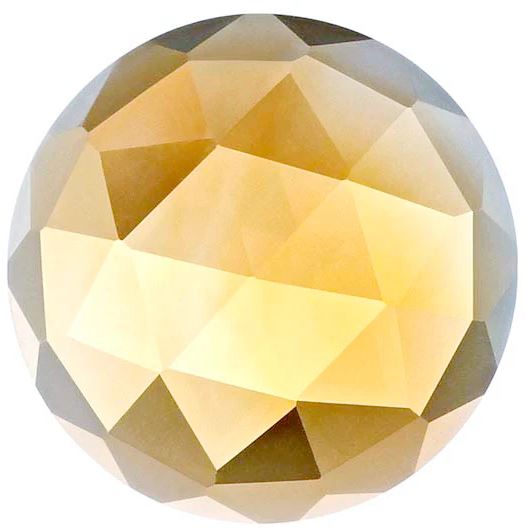
One such example is the rose cut, a historical cut that has recently experienced a resurgence in popularity. This cut features a flat bottom and a domed top, with a varying number of facets that create a soft, romantic glow. The rose cut is particularly well-suited for colored gemstones, as it allows the stone's natural hues to shine through without overwhelming the eye.
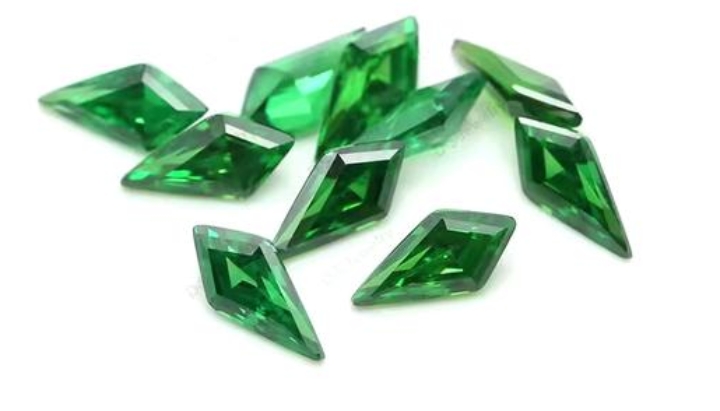
Another unconventional cut is the kite cut, which features a distinctive kite-like shape with sharp, angular facets. This cut is known for its unique and eye-catching appearance, often used in statement jewelry pieces to create a bold and modern aesthetic.
The freeform cut, as the name suggests, abandons the traditional geometric shapes in favor of a more organic and asymmetrical design. These cuts are truly one-of-a-kind, with each gemstone being a unique work of art that showcases the stone's natural beauty in a truly captivating way.
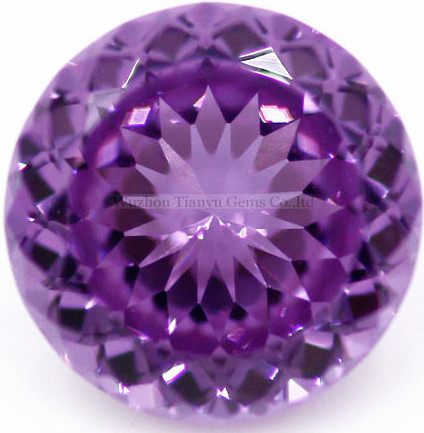
The Portuguese Cut is a highly intricate gemstone cut known for its exceptional brilliance and depth. This cut is characterized by a large number of facets, typically 161, arranged in a series of concentric circles on both the crown and pavilion of the stone. The complex faceting pattern is designed to maximize light reflection, creating a gemstone that dazzles with intense sparkle and fire.
Characteristics & Appeal:
Exceptional Brilliance: The Portuguese Cut's numerous facets are meticulously arranged to enhance the stone's brilliance, resulting in a dazzling display of light and color.
Rich Depth: The cut features deep pavilion facets that add a sense of depth and dimension to the gemstone, giving it a striking, three-dimensional appearance.
Sophisticated Design: With its elaborate and precise faceting, the Portuguese Cut exudes a sense of luxury and sophistication, making it a favorite for high-end jewelry pieces.
Historical Significance: Named after Portugal, this cut has a rich history and is often associated with old-world craftsmanship and elegance.
The Portuguese Cut is perfect for those who desire a gemstone with unmatched sparkle and a luxurious, timeless appeal. Its intricate design and brilliance make it an exquisite choice for statement jewelry pieces that truly stand out.
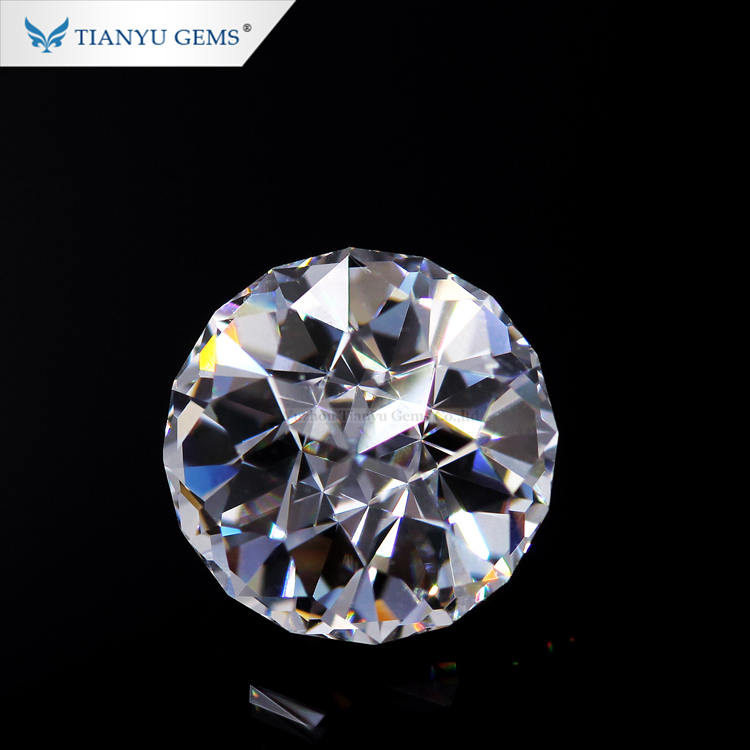
The Jubilee Cut is a rare and luxurious gemstone cut, celebrated for its exceptional brilliance and regal appearance. Originally designed in the late 19th century to commemorate Queen Victoria's Diamond Jubilee, this cut is characterized by a rounded shape with a large number of facets—typically 88 or more. The Jubilee Cut is designed to maximize the stone’s light performance, creating a mesmerizing display of sparkle and fire.
Characteristics & Appeal:
Exceptional Brilliance: With its numerous facets, the Jubilee Cut is engineered to capture and reflect light from every angle, resulting in a gemstone that sparkles intensely.
Regal Design: The cut's origins in royal commemoration lend it a sense of grandeur and elegance, making it a perfect choice for those who appreciate a touch of historical significance and luxury.
Timeless Appeal: The Jubilee Cut's classic and sophisticated design has endured over the years, making it a timeless choice for fine jewelry that never goes out of style.
Unique Faceting: The complex faceting pattern not only enhances brilliance but also adds depth and dimension to the stone, giving it a rich and full-bodied appearance.
The Jubilee Cut is ideal for those seeking a gemstone with a storied history, unparalleled brilliance, and a touch of royal elegance. Its combination of beauty and heritage makes it a standout choice for exquisite, one-of-a-kind jewelry pieces.
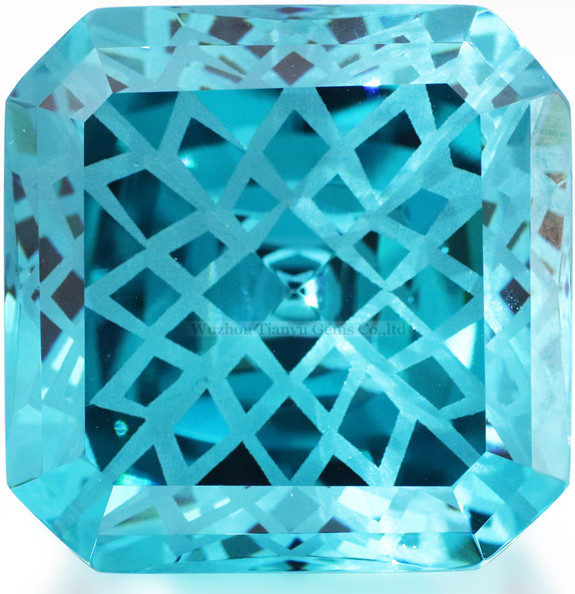
Braided Cut
The Braided Cut is a unique and intricate gemstone cut that isn't as widely recognized as traditional cuts, yet it holds a distinct appeal for those seeking something extraordinary. This cut is characterized by its interwoven, twisted appearance, reminiscent of a braid or rope. The facets of a braided cut gemstone are crafted to create the illusion of strands intertwining, giving the stone a dynamic and textured look.
Characteristics & Appeal:
Intricate Design: The braided cut is all about detail. The interlacing pattern of the facets creates a visually complex and captivating design that sets it apart from more conventional cuts.
Enhanced Light Play: The intertwining facets enhance the gemstone’s interaction with light, producing a unique play of light and shadow that adds depth and dimension to the stone.
Symbolic Meaning: The braided design often symbolizes unity, strength, and continuity, making it a meaningful choice for pieces that carry personal or symbolic significance.
Exclusivity: Because of its complexity and the skill required to achieve this cut, braided cut gemstones are often seen as exclusive and are perfect for those looking for a one-of-a-kind piece of jewelry.
This cut is ideal for those who appreciate artistry and craftsmanship in their jewelry, as it brings a fresh and innovative twist to traditional gemstone designs.
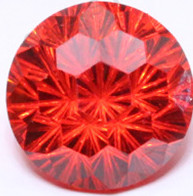
Firework Cut
The Firework Cut is a modern and innovative gemstone cut designed to maximize brilliance and create a spectacular visual effect. Inspired by the explosion of fireworks in the night sky, this cut features a complex pattern of facets that radiate outward from the center of the stone, resembling bursts of light. The firework cut is meticulously crafted to enhance the gemstone's sparkle, creating a dynamic play of light that captures attention from every angle.
Characteristics & Appeal:
Radiant Design: The firework cut's facets are arranged to create a dazzling, starburst-like effect, making the gemstone appear vibrant and lively.
Maximized Brilliance: This cut is specifically designed to amplify the stone's interaction with light, resulting in exceptional brilliance and fire.
Contemporary Appeal: The firework cut is ideal for those who appreciate modern design and want a gemstone that stands out with its bold and energetic appearance.
Exclusivity: Due to the precision required to achieve this intricate pattern, the firework cut is often seen as a statement of luxury and sophistication, perfect for unique and eye-catching jewelry.
This cut is perfect for anyone looking to make a bold statement with a gemstone that shines with a captivating and dynamic brilliance.
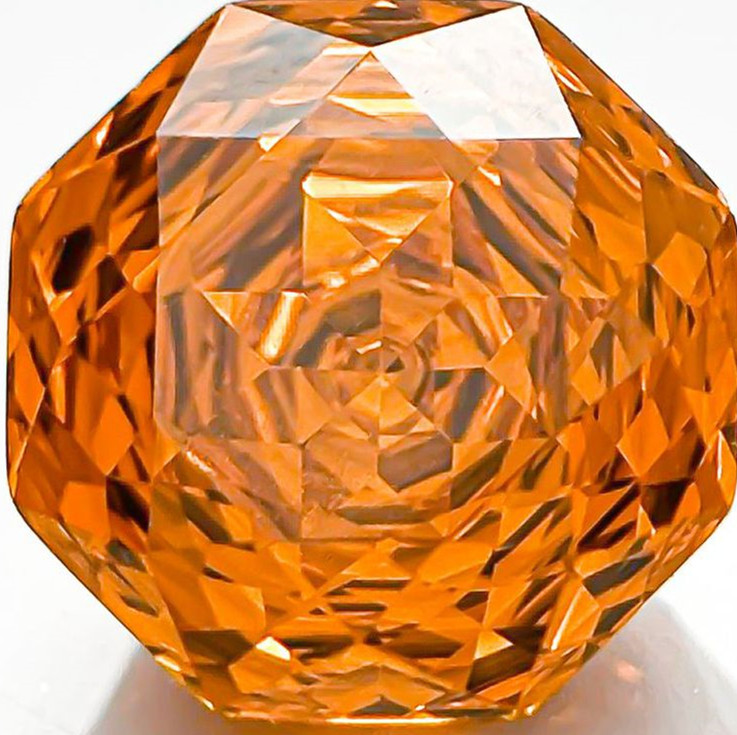
Millennium Rose Cut
The Millennium Rose Cut is a modern reinterpretation of the classic rose cut, blending timeless elegance with contemporary flair. This cut is characterized by a domed top with multiple facets that radiate from the center, similar to the petals of a rose in full bloom. Unlike the traditional rose cut, which typically has a flat bottom, the Millennium Rose Cut often features a slight pavilion, enhancing the stone’s depth and brilliance.
Characteristics & Appeal:
Romantic Design: The Millennium Rose Cut's faceting pattern is inspired by the delicate beauty of a rose, creating a soft, romantic glow that exudes elegance and charm.
Enhanced Brilliance: The addition of a slight pavilion distinguishes it from the traditional rose cut, allowing for greater light reflection and a more pronounced sparkle.
Timeless Appeal: This cut beautifully bridges the gap between vintage and modern design, making it an ideal choice for those who appreciate both classic and contemporary styles.
Exclusivity: The Millennium Rose Cut is often chosen for bespoke or high-end jewelry pieces, offering a unique and luxurious alternative to more common cuts.
Perfect for those who seek a gemstone with both historical significance and modern sophistication, the Millennium Rose Cut offers a distinctive blend of tradition and innovation.
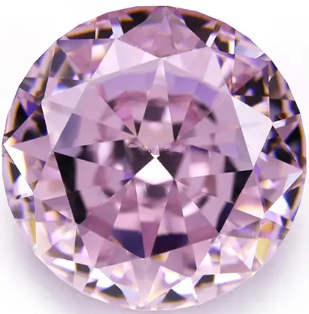
The Crushed Ice Cut is a distinctive gemstone cut that captures the essence of sparkling, crushed ice. This cut is characterized by its irregular, small facets that scatter light in multiple directions, creating a shimmering effect reminiscent of crushed ice or frosted glass. Unlike traditional cuts with well-defined facets, the Crushed Ice Cut has a more chaotic and organic arrangement, giving the gemstone a unique and mesmerizing brilliance.
Characteristics & Appeal:
Shimmering Effect: The Crushed Ice Cut’s numerous small facets create a dazzling play of light, producing a sparkle that appears to flicker and dance like ice catching the sunlight.
Organic Design: This cut embraces an irregular, less structured pattern, offering a more natural and spontaneous appearance that stands out from traditional, symmetrical cuts.
Modern Appeal: The contemporary look of the Crushed Ice Cut makes it a popular choice for those who appreciate innovative and avant-garde jewelry designs.
Visual Depth: The cut's unique faceting creates a sense of depth and texture within the gemstone, enhancing its overall visual impact and allure.
Ideal for those seeking a gemstone with a lively and unconventional sparkle, the Crushed Ice Cut offers a fresh and captivating alternative to more traditional cuts.
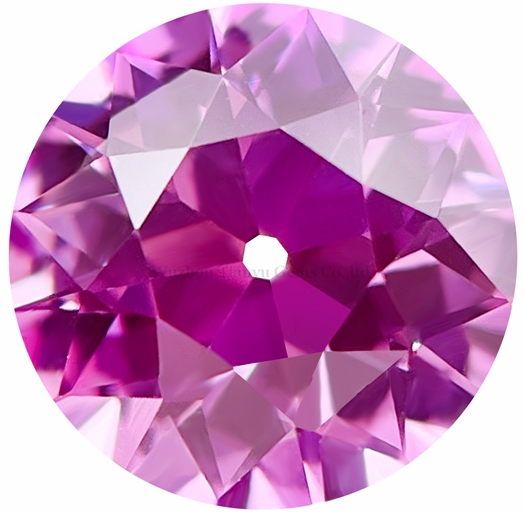
The Old European Cut is a vintage diamond cut that was popular from the late 19th century to the early 20th century, preceding the modern round brilliant cut. This cut features a circular shape with a smaller table and a higher crown, which gives the diamond a soft, rounded appearance. The Old European Cut is known for its deep pavilion, which enhances the diamond's brilliance and fire. Its unique faceting pattern includes 58 facets, but the cuts are generally larger and less precise than those found in contemporary cuts, giving it a more antique, romantic feel. The Old European Cut was crafted by hand, and the process was slower and less uniform compared to modern technology. As a result, each stone is distinct, often with slight asymmetries that add to its character. Today, the Old European Cut is cherished for its vintage appeal and the warm, nostalgic glow it imparts, making it a popular choice for those seeking a one-of-a-kind, timeless piece of jewelry.
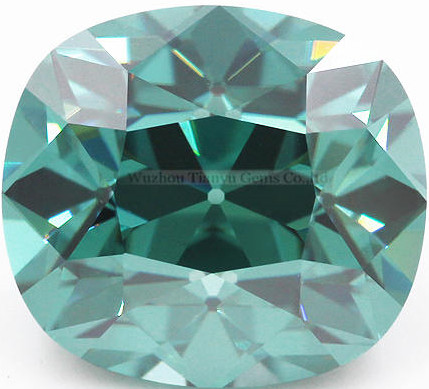
The Old Mine Cut is a traditional diamond shape that was popular in the 18th and 19th centuries, particularly during the Georgian and Victorian periods. This antique cut is characterized by a square or rectangular outline with rounded corners, resembling a cushion shape, but with its own distinct vintage charm. Unlike modern cuts, the Old Mine Cut features a smaller table, deeper pavilion, and fewer facets, which gives it a unique, soft sparkle. It was cut by hand, with each diamond requiring meticulous craftsmanship, often resulting in slight asymmetries that add to its historical character. The cut’s deeper proportions and the arrangement of its facets allow for a rich, warm dispersion of light, creating a soft, romantic brilliance. While less precise than modern brilliant cuts, the Old Mine Cut is treasured for its vintage allure and nostalgic appeal, often sought after by collectors and those looking for a diamond with a sense of history. It remains a favorite for antique-style engagement rings and jewelry that evoke timeless elegance.
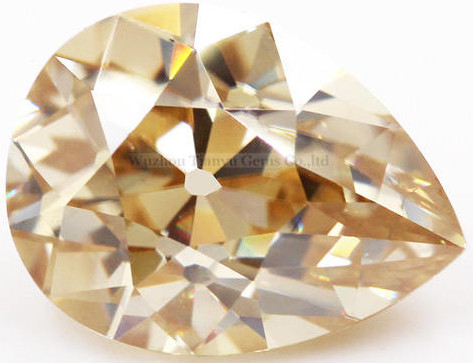
The Antique Cut refers to a variety of diamond cuts that were popular in past centuries, often before the advent of modern cutting techniques like the round brilliant. These cuts, such as the Old Mine Cut, Old European Cut, and Rose Cut, were handcrafted with a focus on maximizing the stone’s natural beauty, though without the advanced technology used in contemporary cuts.
Antique cuts typically feature fewer facets, deeper pavilions, and smaller tables than modern diamonds, which results in a softer, more subtle brilliance compared to the fiery sparkle of today’s cuts. Each stone was cut by hand, and due to the lack of precision tools, many antique diamonds have unique proportions and slight asymmetries that give them an individual character.
The allure of antique cuts lies in their timeless, vintage charm. They evoke a sense of history and craftsmanship, making them particularly sought after for those desiring a piece of the past in their jewelry. These cuts are often featured in engagement rings and heirloom jewelry, offering a romantic, old-world feel that modern cuts can’t quite replicate.
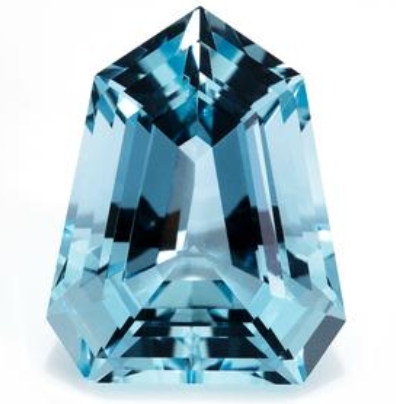
Shield Cut: Strong and Symbolic
Characteristics & Appeal: The shield cut resembles a medieval shield, exuding strength and protection. This cut has a unique, powerful aura, making it a perfect choice for those who seek something distinctive and meaningful. Often used in bespoke designs, the shield cut appeals to individuals who appreciate symbolism and want a piece of jewelry that represents personal values or beliefs.
Are Special Cuts Right for Every Buyer?
Not always. Special cuts are usually best for customers who already know they want something distinctive, artistic, or less mainstream. They are often more successful in boutique collections, custom jewelry, collector-style designs, and statement pieces than in broad everyday commercial lines. For customers who prioritize easy styling, maximum versatility, or familiar engagement ring looks, classic cuts such as round, oval, cushion, or radiant may still be the better recommendation.
In other words, special cuts are not necessarily better than traditional ones — they simply serve a different purpose. Classic cuts are usually chosen for reliability and broad appeal, while unconventional cuts are chosen for individuality, design storytelling, and visual distinction.
Common Mistakes Buyers Make
One common mistake is assuming that all sparkle comes from the gemstone material alone. In reality, cut quality plays a major role in brightness and life. Another is choosing a shape only because it looks trendy, without considering whether the cut suits daily wear, the gemstone type, or the buyer’s lifestyle. A third common mistake is overlooking clarity in step cuts, where inclusions are often easier to notice because of the open facet arrangement.
Buyers should also avoid assuming that a more unusual cut is automatically a better cut. Distinctive designs can be beautiful, but they work best when they match both the gemstone material and the intended jewelry style. A rare or artistic cut may add personality, but that does not automatically make it the most practical or flattering option for every customer.
Final Thoughts
The best gemstone cut depends on what the customer values most: sparkle, size, appearance, durability, elegance, symbolism, or individuality. Classic cuts such as round, oval, cushion, emerald, and radiant remain some of the most practical choices because they are familiar, versatile, and easy to style. At the same time, special cuts such as rose, Portuguese, Jubilee, kite, braided, firework, and freeform styles offer a different kind of value — one rooted in artistry, rarity, and personal expression.
For some customers, the best cut is the one that sparkles the most. For others, it is the one that feels the most meaningful, distinctive, or beautifully unexpected. Once buyers understand how cut affects light performance, durability, visual size, and design personality, they can choose a gemstone that not only looks beautiful but also feels right for the jewelry they want to wear.
Frequently Asked Questions About Gemstone Cuts
What is the best gemstone cut for sparkle?
Round brilliant is usually considered the best cut for maximum sparkle because it is designed to reflect light efficiently and create strong brilliance, fire, and scintillation. Oval, radiant, and some cushion cuts are also popular for buyers who want a lively, brilliant look.
Which gemstone cut looks the biggest?
Elongated cuts such as oval, pear, and marquise often appear larger than round stones of the same carat weight because they have more visual spread across the finger or jewelry design.
What is the most durable gemstone cut for everyday wear?
Cuts with softer outlines and fewer exposed points, such as round, cushion, oval, and radiant, are often better for everyday wear. Pointed cuts like pear, marquise, princess, and trilliant can still be beautiful, but they usually need more protective settings.
What is the difference between cut and shape?
Shape refers to the outline of the gemstone, such as round, oval, or pear. Cut includes the overall faceting style, proportions, symmetry, and polish, all of which affect how the gemstone reflects light and how attractive it appears.
Which gemstone cuts are best for colored stones?
The best cut for a colored gemstone depends on whether the priority is brilliance, color saturation, clarity, or a special optical effect. Mixed cuts are often used to balance color and brilliance, while step cuts can emphasize clarity and elegant color presentation.
Is an emerald cut less sparkly than a round cut?
Yes, emerald cut usually shows less sparkle than round brilliant cut. Instead of intense flashes of light, emerald cut is valued for its clean lines, open facets, and hall-of-mirrors effect, which create a more refined and elegant appearance.
What is an antique cut gemstone?
Antique cut is a broad term used for older faceting styles such as Old Mine Cut and Old European Cut. These cuts often have softer symmetry, romantic depth, and a warmer, vintage character compared with modern precision-cut stones.
What is a crushed ice cut?
A crushed ice cut refers to a faceting look that creates many small, scattered flashes of light instead of broad, clearly defined facet reflections. It is especially popular in some oval, pear, and radiant-style stones, including moissanite.
Are special gemstone cuts better than classic cuts?
Not necessarily. Classic cuts are usually more versatile and widely preferred, while special cuts are often chosen for individuality, artistic style, or collector appeal. The best choice depends on the buyer’s priorities and the intended jewelry design.
Which gemstone cuts are best for engagement rings?
Round, oval, cushion, radiant, and emerald cuts are among the most popular choices for engagement rings. The best option depends on whether the buyer values sparkle, visual size, durability, vintage appeal, or a more distinctive shape.
