



Why Does Your Silver Jewelry Turn Black?
Many jewelry enthusiasts have experienced this frustrating phenomenon: a beautiful silver piece that gleamed with brilliant luster when first purchased gradually loses its shine over time, eventually turning dark or even black. Despite your best efforts to care for it properly, the piece seems cursed to lose its beauty. You may have heard various explanations—some claim that blackened silver indicates “body detoxification,” others insist it’s a sign of poor quality, and many people resort to household remedies like toothpaste or dish soap to restore the shine. However, these beliefs and practices are largely misconceptions about caring for silver jewelry. Today, we’ll explore the scientific truth behind silver tarnishing, debunk common myths, and provide you with proper care techniques to keep your silver jewelry brilliantly lustrous for years to come.
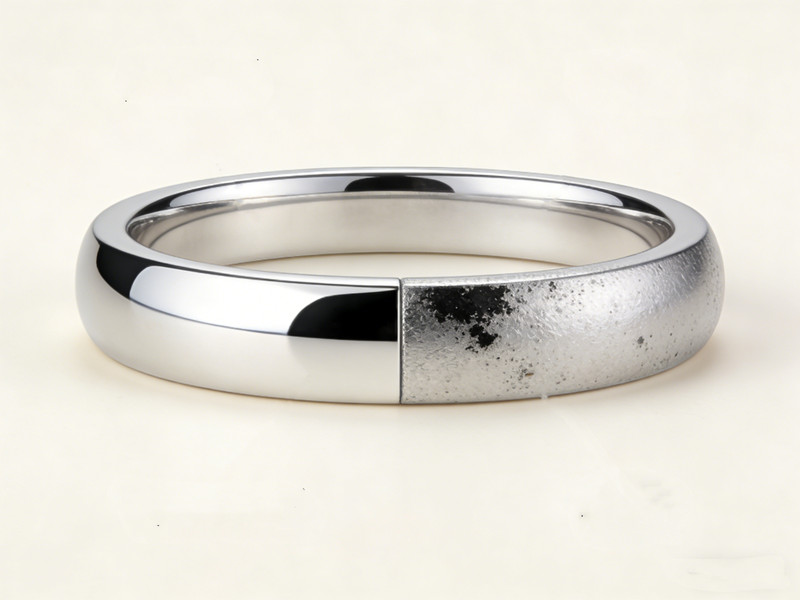
The Detoxification Myth—Understanding the Real Chemistry Behind Tarnishing
The Truth About Silver Turning Black
One of the most persistent myths surrounding silver jewelry is the belief that tarnishing indicates successful “detoxification” from the body, with some claiming that darker tarnish means more toxins being expelled. This is completely false. Silver tarnishing has absolutely nothing to do with body detoxification. The real culprit is a simple chemical reaction: the combination of silver with sulfur.
Pure silver is a relatively stable metal that doesn’t readily oxidize when exposed to air. Unlike iron, which rusts through reaction with oxygen and water vapor, silver is nearly insensitive to oxygen. However, silver has an extremely high affinity for sulfur compounds. When silver comes into contact with sulfides, it undergoes an oxidation-reduction reaction that produces a black substance called silver sulfide. This black layer covers the silver surface, making the jewelry appear dark and dull.
Sulfur Compounds Are Everywhere
The challenge with silver jewelry is that sulfur compounds are ubiquitous in our daily environment:
Human Sweat: Our perspiration naturally contains trace amounts of sulfides. During the summer months or after consuming sulfur-rich foods such as garlic or onions, the sulfide content in sweat increases significantly, accelerating tarnishing when silver jewelry comes into contact with skin.
Cosmetics and Personal Care Products: Perfumes, skincare products, and cosmetics often contain compounds like thiosulfates that react with silver.
Environmental Sources: Hydrogen sulfide in the air, sulfur amino acids released from wool fabrics, and sulfides in hot spring water all contribute to silver tarnishing.
The Historical Misunderstanding: The ancient practice of using silver needles to detect poison was actually a case of coincidental chemistry. In ancient times, arsenic (arsenic trioxide) was crudely purified and contained significant sulfide impurities. When silver needles contacted the contaminated poison, they would turn black due to the formation of silver sulfide. However, modern purification techniques have eliminated these sulfide impurities, rendering silver completely ineffective as a poison detector. Silver jewelry is simply a sensitive “sulfide detector,” not a health monitor or detoxification tool.
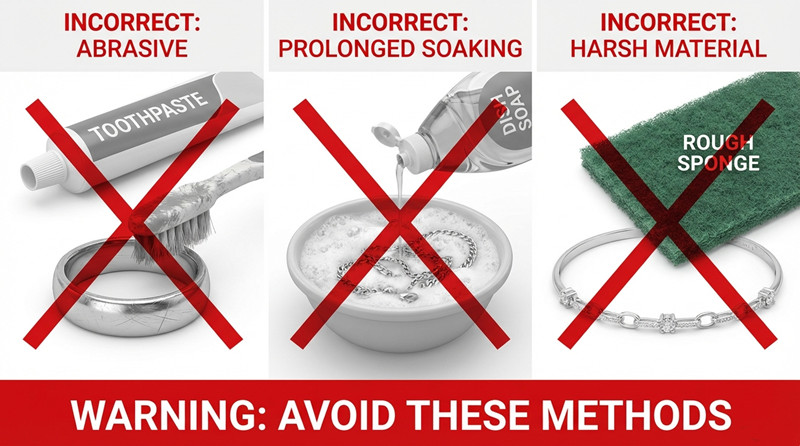
Common Care Mistakes That Are Quietly Damaging Your Silver Jewelry
While tarnishing itself isn’t harmful to silver, improper cleaning methods can cause irreversible damage. Here are the most common mistakes—see if you’ve made any of these errors:
Mistake 1: Using Toothpaste to Clean Silver
This is perhaps the most widespread misconception. Many people assume that since toothpaste cleans stains from teeth, it should work equally well on silver. In reality, toothpaste contains abrasive particles designed to remove dental plaque. These particles act like sandpaper on silver surfaces, creating microscopic scratches that accumulate over time. This gradually dulls the jewelry’s natural luster, making it appear rough and worn. The damage is especially noticeable on smooth, polished pieces and gold-plated silver items. Furthermore, the chemical components in toothpaste can accelerate oxidation, causing the jewelry to tarnish more quickly.
Mistake 2: Soaking in Dish Soap or Hand Soap
Some people believe that soaking tarnished silver in dish soap or hand soap will remove both oil and tarnish. While these cleaning agents can remove surface oils, they have virtually no effect on established silver sulfide layers. The chemical components in these soaps can react with silver, accelerating oxidation. This approach is particularly damaging to pieces with gemstone or pearl inlays, as cleaning agents may corrode adhesives, causing stones to loosen or fall out.
Mistake 3: Assuming Tarnished Silver Means Poor Quality
Many people’s first reaction upon seeing tarnished silver is to assume the piece is fake or low quality. Ironically, the opposite is true. Pure silver (higher silver content) is chemically more reactive and tarnishes more readily when exposed to sulfides. Jewelry that resists tarnishing may actually contain very little silver. For example, “Tibetan silver” is often a copper-nickel alloy with minimal or no actual silver content—its darkening is due to copper oxidation, not silver’s natural reaction. Sterling silver (925 silver), which contains 92.5% silver and 7.5% copper for durability, is more stable than pure silver but will still naturally oxidize and tarnish. This is a characteristic property of genuine silver, not a quality defect.
Mistake 4: Storing Unworn Jewelry Carelessly
Many assume that jewelry they’re not wearing won’t tarnish, so they casually store it in jewelry boxes or drawers. However, unworn silver exposed to air actually tarnishes faster than worn pieces. This is because the natural oils secreted by human skin form a protective film on worn jewelry, slowing oxidation. Without this protective barrier, stored silver oxidizes more rapidly when exposed to oxygen and airborne sulfides.
Mistake 5: Using the Same Cleaning Method for All Silver Types
Different types of silver jewelry—Thai silver, Tibetan silver, Miao silver, gold-plated silver, and pieces with gemstone inlays—have varying compositions and manufacturing processes requiring different care approaches. Using a one-size-fits-all cleaning method, such as immersing Thai silver in silver cleaning solution or vigorously scrubbing gold-plated pieces, can destroy unique craftsmanship features and damage protective coatings.
The Right Way to Care for Silver Jewelry—Simple and Effective
Proper silver care centers on three principles: avoiding sulfur compounds, maintaining dryness, and regular cleaning. Master these techniques to restore tarnished pieces and prevent future oxidation.
Daily Wear: Three Essential Practices
“Late On, Early Off” Strategy: Apply cosmetics, perfume, and skincare products before putting on silver jewelry to avoid direct contact with chemicals. Always remove silver jewelry before bathing, swimming, or visiting hot springs to prevent exposure to sulfides and chlorine in water. Remove jewelry during exercise or physical labor to avoid prolonged sweat exposure and prevent damage from impacts or abrasion.
Wipe After Perspiration: In hot weather or after sweating, use a soft, clean cloth (such as an eyeglass cloth or a specialized silver polishing cloth) to gently wipe your jewelry, removing sweat and residue before oxidation accelerates.
Avoid Mixed Wearing: Don’t wear silver jewelry together with other precious metals (gold, platinum) or hard accessories (jade, metal bracelets) to prevent scratching and damage to the protective surface layer.
Cleaning Methods: Tailored Approaches for Different Tarnish Levels
Slight Tarnishing (loss of luster, minor dulling): Use a professional silver polishing cloth with gentle buffing compounds and protective agents. These cloths effectively remove light oxidation layers while forming a protective film. Important: Never wash polishing cloths, as this removes the beneficial cleaning compounds.
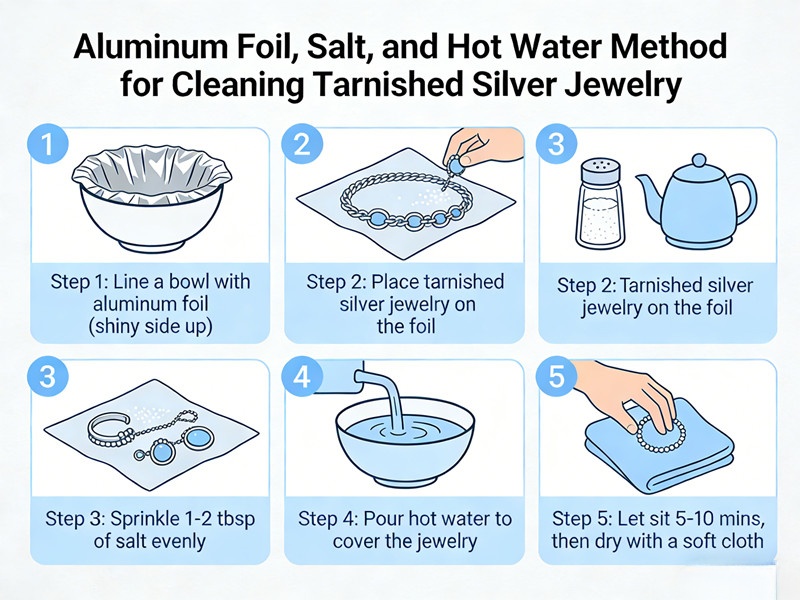
Moderate Tarnishing (noticeable blackening without severe staining): Use the aluminum foil and salt water reduction method—the safest home cleaning technique:
1. Line a bowl with aluminum foil (shiny side up)
2. Place tarnished jewelry on the foil
3. Add one tablespoon of salt and a small amount of baking soda
4. Pour freshly boiled hot water over the jewelry
5. Let sit 5-10 minutes, gently swirling occasionally
6. Remove, rinse thoroughly with clean water, and dry with a soft cloth
This method works through an electrochemical reaction between aluminum and silver sulfide, reducing the sulfide back to pure silver without damaging the surface.
Severe Tarnishing (heavy blackening, stubborn stains): Use a commercial silver cleaning solution, but proceed carefully. These solutions have mild corrosive properties, so immersion should be brief (typically a few seconds to one minute). Remove jewelry as soon as luster returns, rinse thoroughly with water, and dry immediately. Avoid frequent use, as this can damage silver and increase susceptibility to future tarnishing.
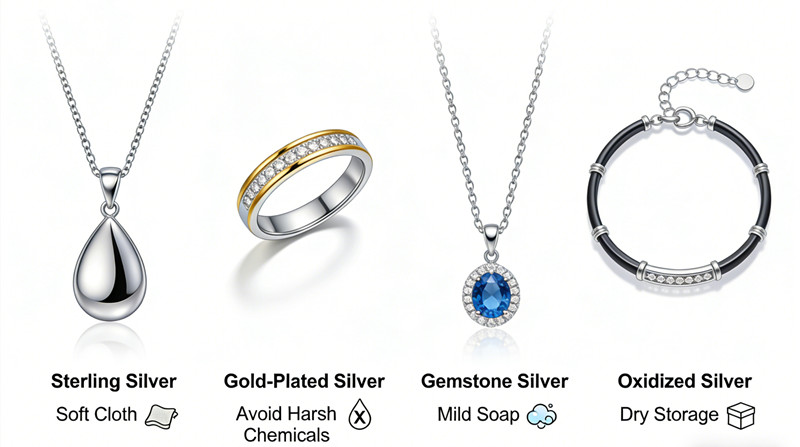
Type-Specific Care Guidelines
Plain Silver (smooth, unadorned surfaces): Easiest to clean using the aluminum foil method or a polishing cloth. Simply wipe after each wear.
Inlaid Jewelry (with gemstones, pearls): Avoid complete immersion, especially in cleaning solutions that may corrode adhesives or damage stones. Use cotton swabs lightly moistened with water to clean silver surfaces only, then dry thoroughly.
Oxidized/Antiqued Silver (like Thai silver): Black areas are intentional design elements that create a vintage appeal. Clean only the areas meant to shine, avoiding black sections. Never use tarnish-removal methods on these pieces, as they destroy the artistic finish.
Gold-Plated Silver: Avoid all chemical cleaners, including silver solution and dish soap. Only use soft, dry cloths for gentle wiping to preserve the gold coating.
Tibetan/Miao Silver: Traditional Tibetan silver is often white copper (copper-nickel alloy) with minimal silver content. Tarnishing results from copper oxidation; clean gently with a diluted solution of vinegar or lemon juice. Miao silver is typically a copper alloy with silver plating, requiring extremely gentle handling to preserve the coating.
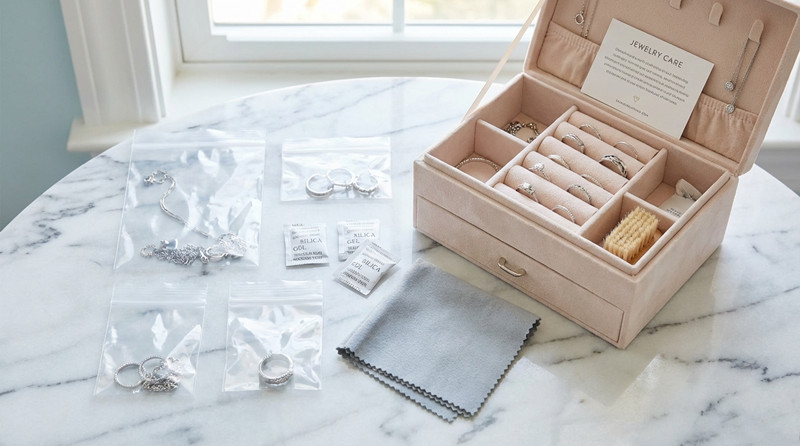
Long-Term Storage: Preventing Oxidation
For jewelry not regularly worn:
Individual Sealed Storage: Place each piece in a separate sealed bag or specialized jewelry box to protect it from air and reduce sulfide exposure. Include small silica gel packets to maintain dryness and slow oxidation.
Regular Maintenance: Even for unworn pieces, remove jewelry monthly and wipe with a polishing cloth to maintain luster. For long-term storage of plain silver, consider applying a thin coat of clear nail polish (test on an inconspicuous area first) to create a protective barrier against air
Conclusion—Embracing Silver’s Nature While Maintaining Its Beauty
Ultimately, silver tarnishing is a natural characteristic of the metal—not a quality defect, not evidence of body detoxification, but simply a normal chemical reaction between silver and sulfur compounds. There’s no need to be alarmed by tarnished silver or to seek jewelry that “never tarnishes” (unless it has extremely thick plating that will eventually wear away with use).
By avoiding common mistakes like cleaning with toothpaste, careless storage, or applying uniform cleaning methods to all silver types, and by following the principles of avoiding chemicals during wear, wiping after perspiration, and storing pieces properly in sealed containers, you can keep your silver jewelry free from the “tarnishing curse” and maintain its cool, captivating luster indefinitely.
One final reminder: If your silver jewelry features precious gemstones or has special historical or artistic value, consider professional cleaning at a reputable jeweler to avoid causing irreversible damage through DIY methods. Every piece of silver jewelry deserves proper care to accompany you for years to come, maintaining its beauty and the memories it represents.
Understanding the science behind silver tarnishing transforms this natural process from a frustrating mystery into a manageable aspect of jewelry ownership. With the right knowledge and care techniques, your silver pieces will continue to shine brilliantly, enhancing your style and preserving their value for generations.
